


If you’ve ever opened your refrigerator to find a forgotten jar of sourdough starter—dark liquid on top, separated layers, and a strong smell—you are not alone. Every Sourdough baker occasionally runs into this situation. But how do you revive sourdough starter properly so it delivers a good quality bake again. And when do we throw the starter out and start over?
One of the most surprising things about sourdough baking is just how resilient a starter can be. In many cases, a neglected starter can be revived and baking-ready again in just a few feedings. Even after a long time of neglect.
The important thing to know is not how long it’s been unfed. We can usually revive an old starter. But is it safe to do so, and is it worth the time or should we just start over? And what is the process to revive a sourdough starter?
Before You Panic
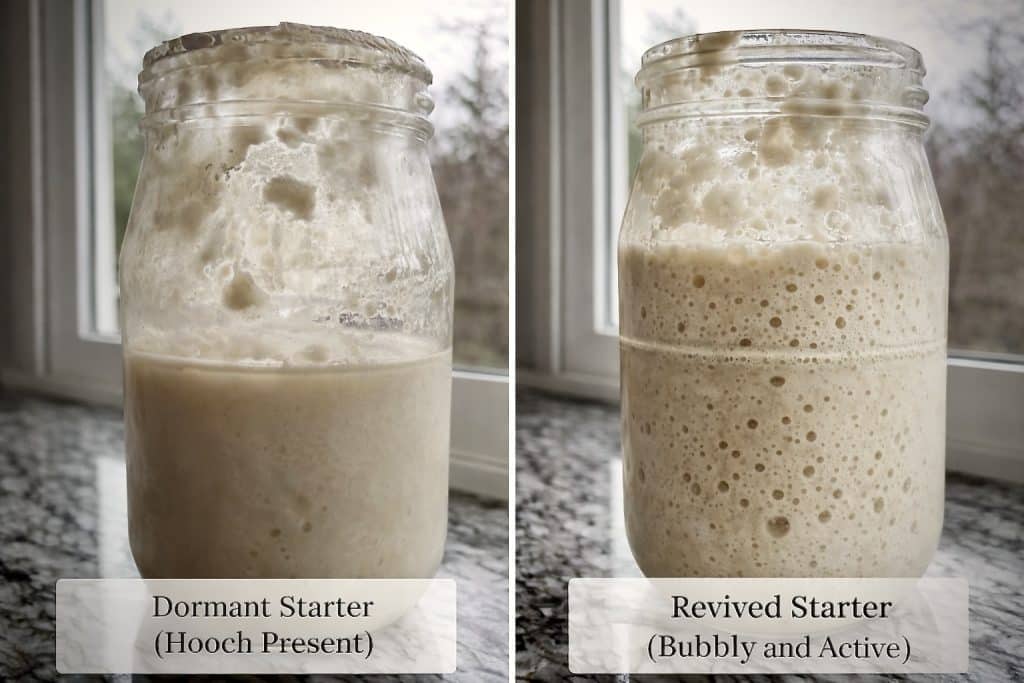
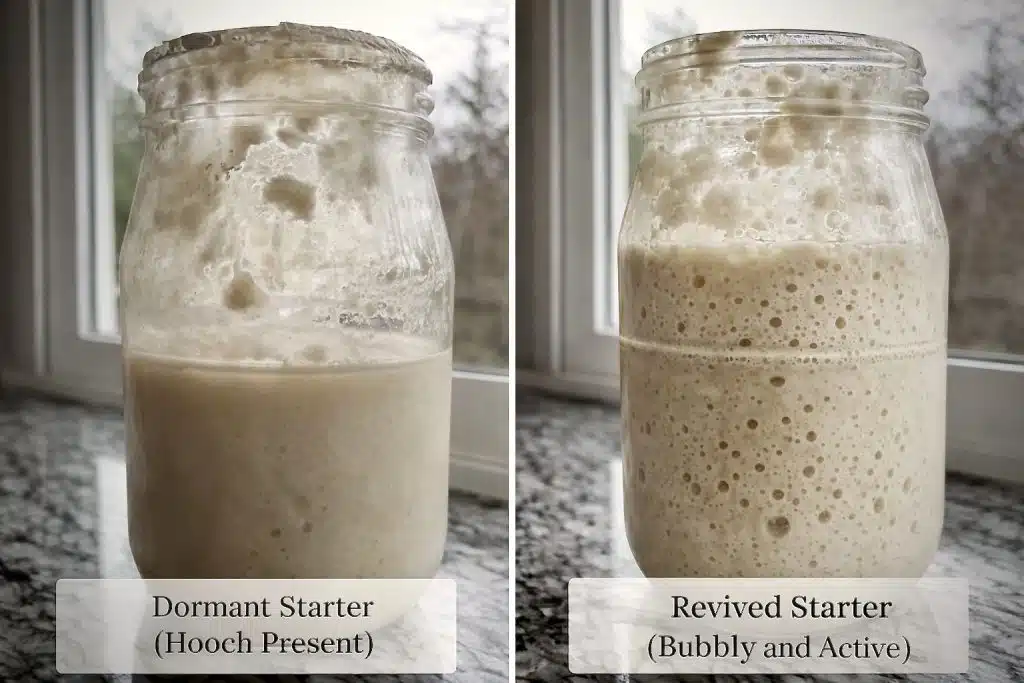
Opening an old sourdough starter can be alarming. Dark liquid, separation, strong smells — it looks wrong. But most neglected starters are not dangerous. They are simply hungry.
This guide will help you separate appearance from actual contamination so you can make a clear decision instead of an emotional one.
Not every old sourdough starter is safe to keep. Knowing the difference between a starter that looks unpleasant but is harmless, and one that should be thrown away immediately, is essential for both food safety and peace of mind. We are here to help.
Food safety note: While sourdough starter is naturally acidic and often safe to revive after long periods of neglect, visible mold or unusual discoloration can indicate harmful contamination.This guide explains how to tell the difference so you can make safe, informed decisions before feeding or baking with an old starter.
This guide explains exactly how long sourdough starter can last, how to safely revive an old starter, what hooch means, and the clear signs that tell you when it’s time to start over.
Table of Contents
Can Sourdough Starter Really Survive Months in the Fridge?
Yes—often much longer than people expect. My daughter Kayti found her forgotten, unfed starter sitting in the back of the fridge. It was old. Really old. like almost a year, but she brought it back in a surprisingly short amount of time.
A healthy sourdough starter is a living culture of wild yeast and lactic acid bacteria. When refrigerated, fermentation slows dramatically, putting the culture into a dormant state. While the yeast becomes less active, the acidic environment created by the bacteria helps protect the starter from harmful pathogens.
Because of this natural acidity, a sourdough starter that has been refrigerated for weeks or even months is frequently still safe to revive, provided no mold or bacterial contamination is present.
Time alone does not make a starter unsafe. Contamination does.

What Is Hooch? (And Why It’s Usually Not a Problem)
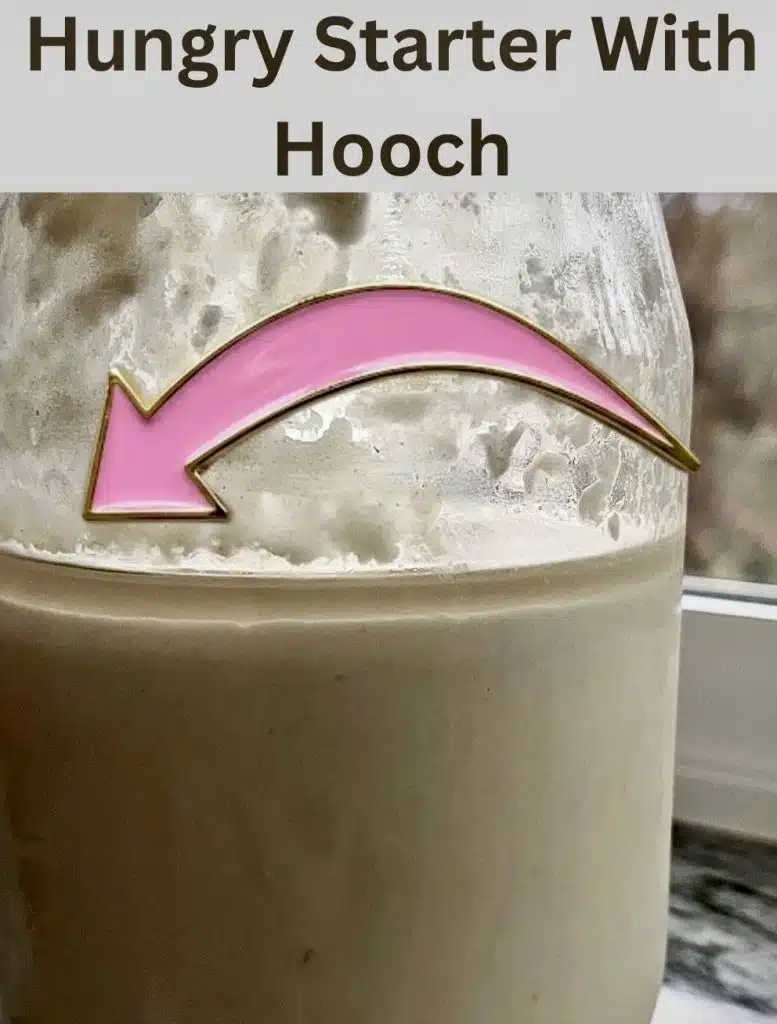
Hooch is the grey, brown, or very dark liquid that sometimes forms on top of sourdough starter during long periods without feeding.
It is a natural byproduct of fermentation—primarily alcohol—that develops when the yeast runs out of food. If you’re trying to revive sourdough starter with hooch on top, this liquid alone is not a reason to discard it.
Important Safety Note About Hooch
- Grey, brown, or nearly black liquid is not mold
- Hooch indicates hunger, not spoilage
- A strong alcohol or vinegar smell is normal
You may either pour the hooch off or stir it back into the starter before feeding. Pouring it off will reduce acidity; stirring it in will result in a more sour starter. For a deeper look at how feeding patterns and acidity influence flavor, see our guide on controlling sourdough flavor.
Hooch alone is not a reason to discard a sourdough starter.
When it’s Safe to Revive Sourdough Starter
An old starter can usually be Brought back safely if it shows the following signs:
- Grey, brown, or dark hooch on top
- Clear separation between liquid and paste
- Sharp, sour, tangy, or boozy smell
- No visible mold growth
Unpleasant smells such as strong vinegar, acetone, or alcohol are common in hungry starters and do not indicate danger. These odors reflect acidity and starvation, not spoilage.
As long as the starter shows no mold and no unusual colors, revival is generally safe. If you want to explore more on starter microbes, read the American Society for Microbiology’s overview of sourdough microbiomes, which explains the microbial ecology and functional roles of different organisms in starters. It’s surprisingly mysterious and interesting.
When You Must Throw a Sourdough Starter Away (No Exceptions)
There are situations where a sourdough starter should be discarded immediately. Do not attempt to scrape, feed, or salvage a starter if you observe any of the following:

Black, Green, or Blue Mold
- Fuzzy or powdery growth
- Circular colonies on the surface or sides of the jar
- Mold that returns after feeding
Pink, Orange, or Red Discoloration
- Pink streaks or patches
- Orange or coral-colored areas
- Any unnatural bright coloring
Pink or orange discoloration indicates harmful bacterial contamination. This is not safe and cannot be fixed by feeding or discarding part of the starter.
If you see mold or pink/orange coloration, throw the entire starter away and thoroughly clean or replace the container.
Why this matters for safety: Using a contaminated sourdough starter is not just a quality issue—it is a food safety risk. Mold and harmful bacteria can produce toxins that are not destroyed by baking and can spread invisibly throughout the starter, even if only part of it appears affected.
Feeding or baking with a contaminated starter can transfer these toxins into your dough. For this reason, any starter showing mold or pink/orange discoloration should be discarded completely without attempting to salvage it.


Smell Guide: What’s Normal vs What’s Dangerous
Smell is one of the most confusing aspects of starter care. Use this guide to distinguish normal fermentation odors from warning signs.
Normal (Safe) Smells
- Vinegar
- Alcohol or beer-like
- Acetone (nail polish remover)
- Sharp or tangy sour
- Old Gym Socks
These smells indicate acidity and fermentation imbalance, not spoilage. Revive sourdough starters with these smells if no signs of spoilage are visible.
Unsafe Smells
- Putrid or rotten
- Fecal or sewage-like
- Moldy or musty
If a starter smells rotten or strongly unpleasant in a way that does not resemble sour fermentation, discard it. These smells are telling you something is wrong even if no visible signs of mold appear.
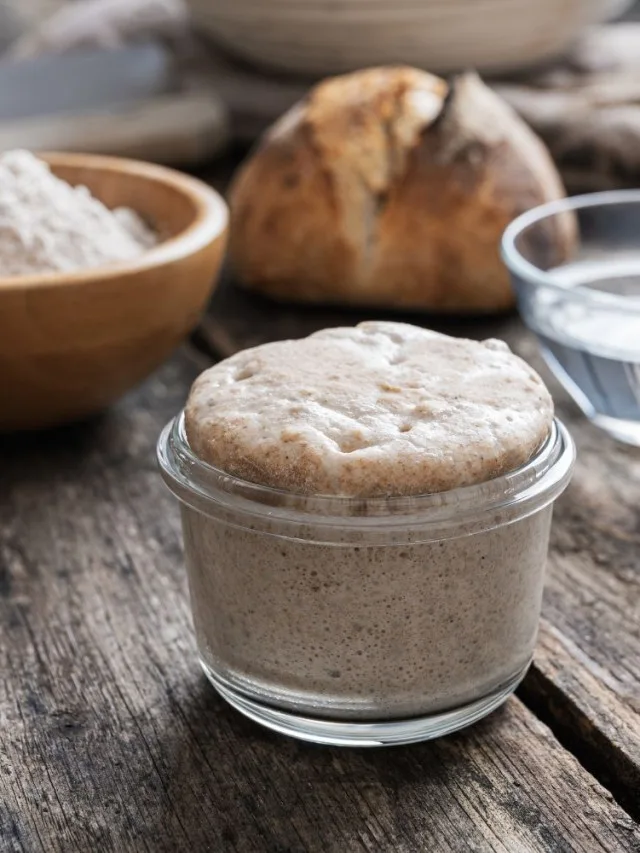
Step-by-Step: How to Safely Revive an Old Sourdough Starter
If your starter passes the safety checks above, follow this process to bring it back to baking strength. Starter consistency matters during revival. The ratio of flour to water influences how quickly yeast and lactic acid bacteria reestablish equilibrium during revival. Higher hydration starters ferment differently than stiffer cultures.
If your mixture becomes too thin after stirring in hooch or adding excess water, microbial balance can slow. Maintaining proper hydration ensures your starter rebuilds strength efficiently. If you’re unsure what hydration means in sourdough or how it affects fermentation, read our full guide on understanding sourdough hydration here.
Step 1: Discard Most of the Starter
Remove and discard all but 1–2 tablespoons of the old starter. This reduces excess acidity and concentrates viable yeast.
Step 2: Feed With Fresh Flour and Water
Feed the starter using a 1:2:2 ratio (starter : flour : water by weight). For example: To 50 grams of starter add 100 grams of flour and 100 grams of water. The texture should resemble thick pancake batter — not watery and not stiff like dough.
Using a small amount of whole wheat grain or rye flour can help jump-start activity due to higher nutrient availability.
Step 3: Keep It Warm
Place the starter in a warm environment (70–78°F). Cold temperatures slow revival significantly.
Step 4: Feed Regularly
Feed every 12–24 hours, discarding before each feeding, until the starter begins rising predictably.
Step 5: Watch for Signs of Readiness
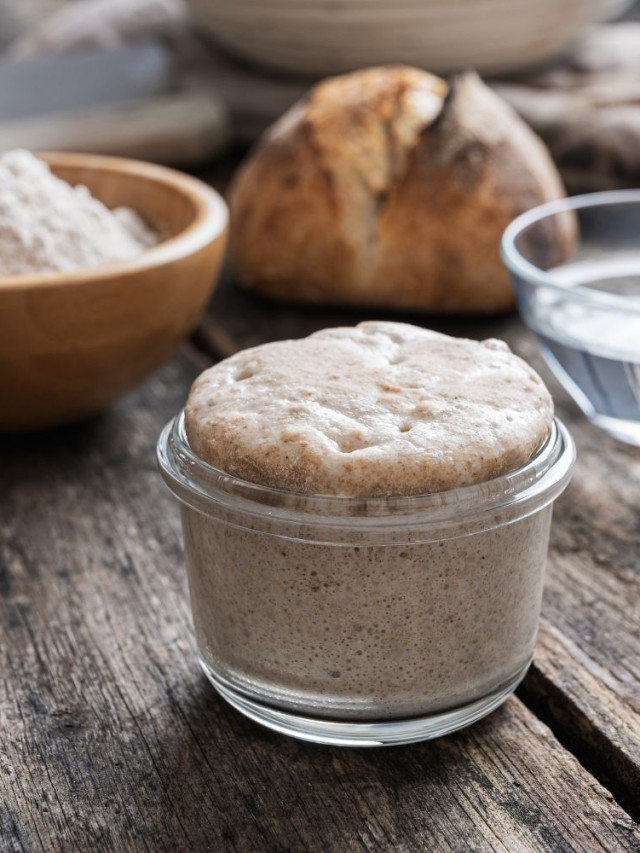
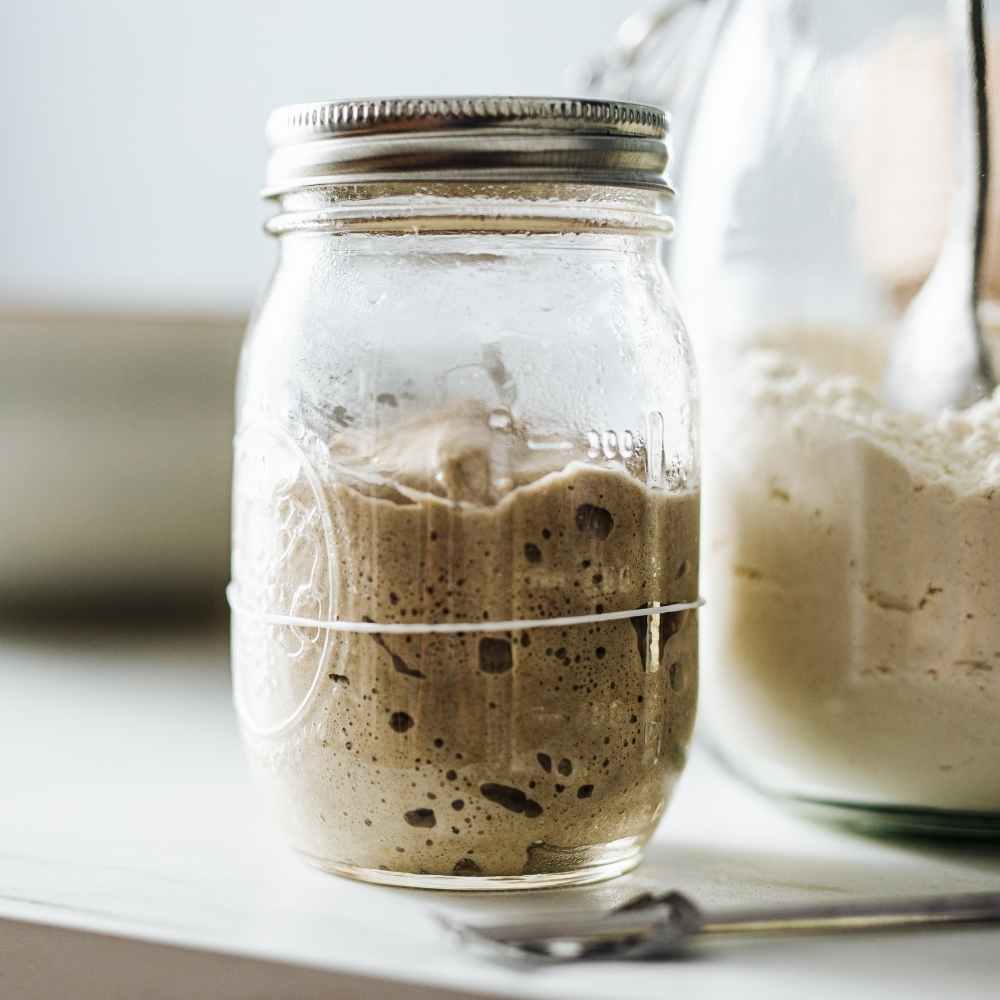
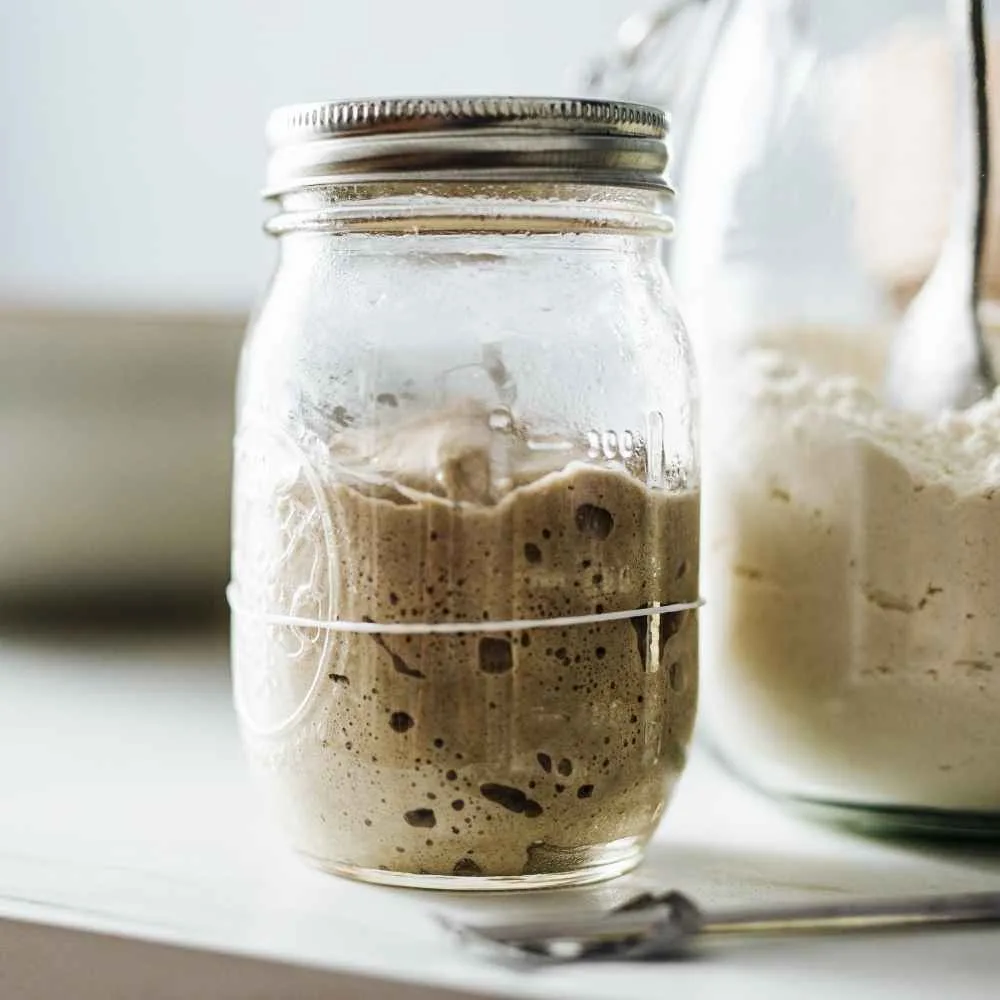
A revived starter is baking-ready when it:
- Doubles in volume within 4–6 hours
- Shows consistent bubbles throughout
- Smells pleasantly tangy, not harsh
Most starters recover within 2–4 feedings, though severely neglected starters may take longer. If the starter rises but then collapses quickly with large uneven bubbles, continue feeding another day before baking. If you’re unsure how to properly feed and maintain your revived starter long term, review our complete guide on maintaining and feeding sourdough starter to keep it strong and balanced.
How Long Is Too Long?
There is no fixed expiration date for sourdough starter to degrade past saving. Starters have been revived successfully after many months—and occasionally longer—of refrigeration.
The determining factors are visual and sensory cues, not time:
- No mold
- No pink/orange discoloration
- No rotten odor
If those conditions are met, revival is generally safe.
What If Revival Doesn’t Work?
If your starter:
- Does not show bubbles after 3–4 feedings
- Smells increasingly unpleasant instead of cleaner
- Develops discoloration after feeding
Discard it and begin again. A healthy starter improves with feeding — it does not deteriorate. If you decide to start fresh, follow our complete step-by-step guide on how to make a wild sourdough starter from scratch.
How Old Starter Affects Your Bread
Even after revival, a previously neglected starter may produce:
- Weaker rise initially
- Slightly more sour flavor
- Slower fermentation
These issues typically resolve after several regular feedings. If bread fails to rise properly, continue strengthening the starter before baking again. If your dough still feels weak after revival, our sourdough troubleshooting guide walks through common fermentation and starter strength issues in more depth.
Frequently Asked Questions:
Is my sourdough starter dead if it has hooch?

No. Hooch is a layer of alcohol that forms when your starter runs out of food. It means your sourdough starter is hungry — not dead. Feed it consistently at room temperature to revive it.
Should I pour off the hooch before feeding?
You can either pour it off or stir it in. Pouring it off reduces acidity and often helps a faster recovery. Stirring it in maintains hydration but may result in a slightly more sour starter.
How long does it take to revive a sourdough starter?
Most starters recover in 2–4 days with regular feedings at 70–75°F. A very neglected starter may take up to a week.
What does a bad sourdough starter smell like?
A hungry starter smells sharp or alcoholic. A spoiled starter smells rotten, moldy, or putrid. Visible mold (pink, orange, green, or black fuzz) means it should be discarded.
Can I revive a starter that has been in the fridge for months?
Yes. Discard most of it, feed equal weights flour and water, and keep it at room temperature until it doubles consistently.
When is my sourdough starter strong enough to bake with?
It’s ready when it doubles within 4–6 hours of feeding and does so consistently for several feedings in a row.
Final Thoughts: Trust the Signs, Not the Fear
Sourdough starter is remarkably resilient, and many starters that look alarming at first glance are perfectly safe to revive. Understanding the difference between harmless neglect and true contamination allows you to bake confidently without unnecessary waste.
Trust visible mold and unusual coloration — not dark liquid or strong smell — as your safety indicators. When those warning signs are absent, feeding is almost always the right next step.
Related Sourdough Starter Guides
• How to Make a Wild Sourdough Starter
• Maintaining and Feeding Sourdough Starter
• Understanding Sourdough Hydration
• Controlling Sourdough Flavor