Freeze drying is an established method of preserving food with decades of commercial use. Today’s home freeze dry machines give home food preservers access to the same basic process right in their own kitchens. However, it is still important, like with all food preserving methods, to learn the food safety vulnerabilities of home freeze drying.
Home and commercial freeze drying use the same basic process, but a home machine does not automatically provide the food-specific testing and safety controls used in commercial production.
We need to use the best food safety and sanitation practices we count on for other home preserving methods. And we need to know the rules unique to the freeze dryer. They are not all the same. Here is the main thing to know and understand.
Freeze drying preserves food by removing available water from the food that microorganisms need to grow. It does not reliably sterilize food, cook raw foods or erase problems that occurred before the food went into the machine.
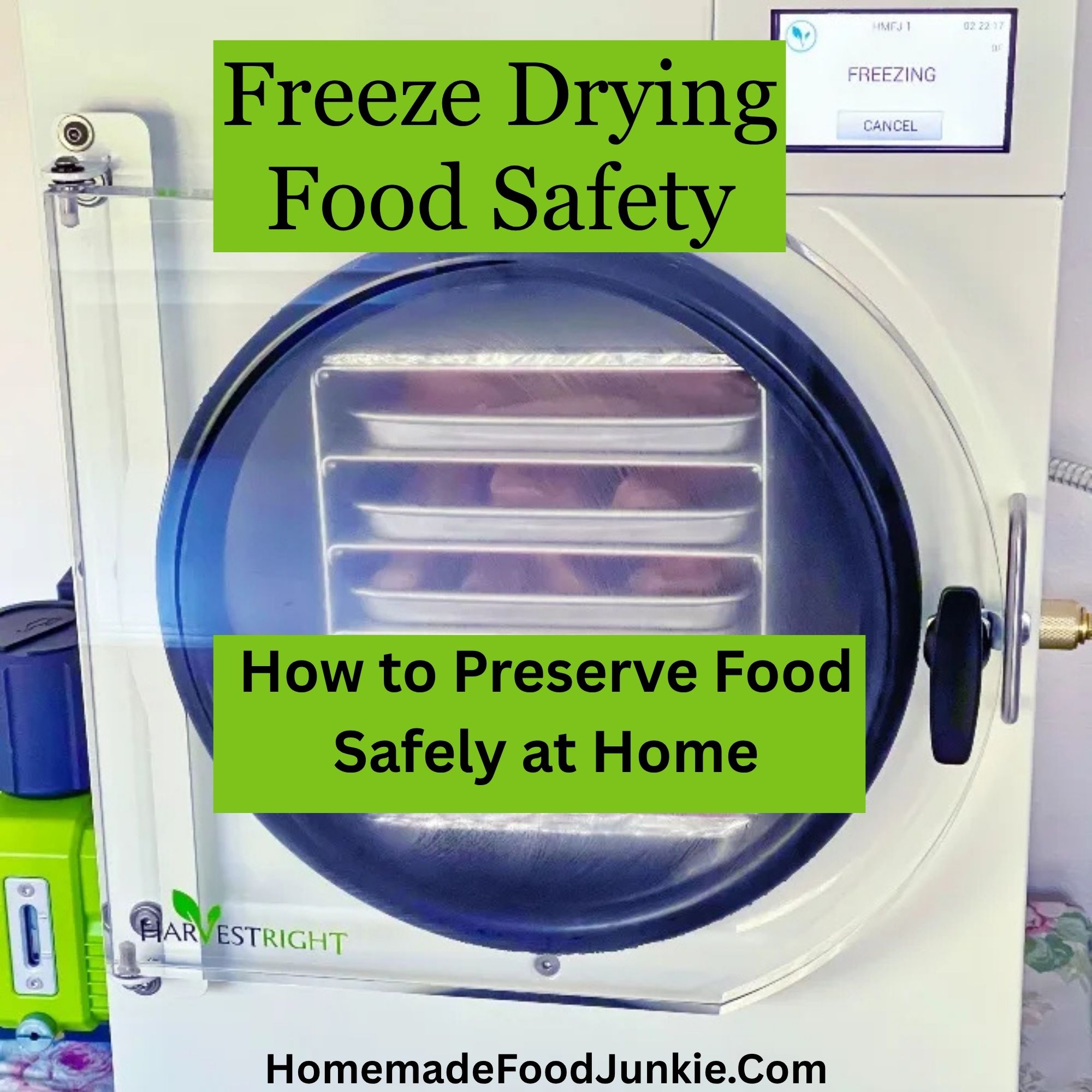
Think of freeze drying somewhat like regular freezing. Raw meat placed in your freezer is still raw when you take it out. Raw meat placed in a freeze dryer also remains raw. Freezing does not sterilize food, neither does freeze drying.
Freeze drying does go much further than freezing. Here’s how it works. After freezing the food, the freeze dry machine removes water through sublimation under vacuum. You will see that moisture on the sides of your freeze dryer drum as ice. Read more about How Does Freeze Drying Work?.
When food is sufficiently dry and properly packaged, the lack of available moisture prevents microorganisms from growing and allows many foods to remain shelf stable without refrigeration. This is very different from home dehydrated foods. Read our post on how to compare Freeze Drying vs. Dehydrating.
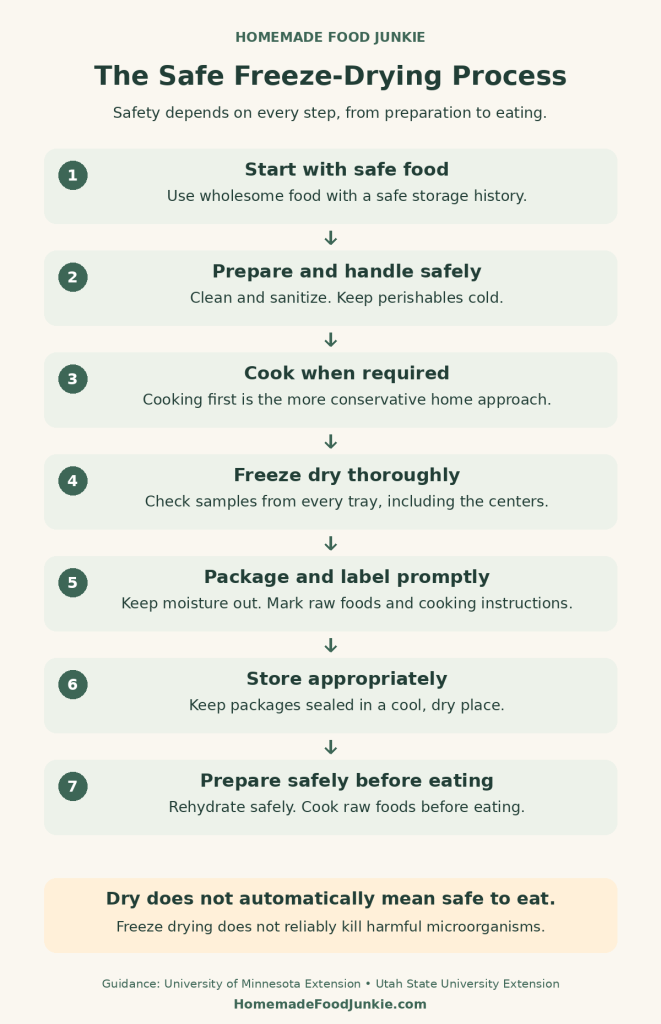
The Freeze Drying Food Safety Flow List:
Properly freeze-dried food remains shelf stable when it starts safe, is handled safely, dries sufficiently and stays protected from moisture and contamination. However, shelf stable does not automatically mean ready to eat. Harmful microorganisms can survive freeze drying, and contaminated food may cause illness even when eaten dry. Rehydration restores moisture that can allow surviving microorganisms to grow.
It is simple. Experienced home preservers will already have the methods of safe handling down. But even for experienced canners, freezers and home food dryers, freeze drying is new and some changes in the safe handling process need to be considered.
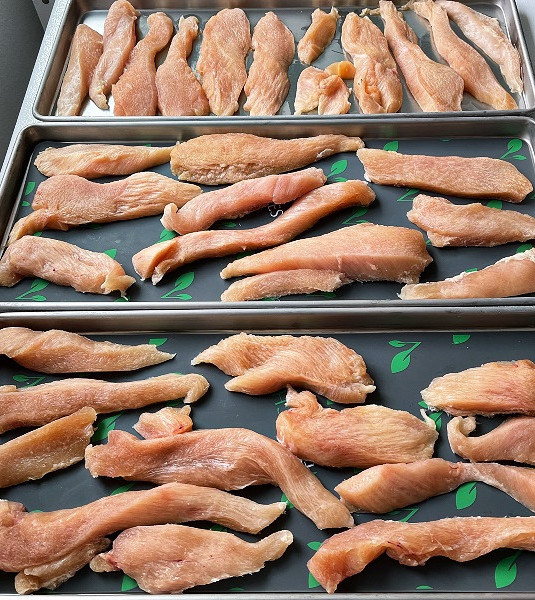
How Do You Freeze Dry Food Safely at Home?
Safe home freeze drying begins before you turn on the machine.
Start with wholesome food that you would otherwise feel comfortable preparing and eating. Use clean hands, clean equipment and clean food-contact surfaces. Keep perishable foods at safe temperatures and prevent raw animal foods from contaminating ready-to-eat foods.
If a food requires cooking to make it safe to eat, determine where that cooking step will occur. It may be cooked before freeze drying, or some foods may be freeze dried raw and cooked later. Some foods can be freeze dried and consumed with no kill step at all.
After freeze drying, verify that the food is completely dry before packaging it. Protect finished food from moisture and contamination, and clearly label foods that remain raw.
The University of Minnesota Extension recommends careful sanitation throughout home freeze drying, including clean and sanitized equipment and workspaces, proper handwashing, safe food temperatures and protection against cross-contamination. It also recommends single-use gloves when handling ready-to-eat foods that will not receive another cooking step.
University of Minnesota Extension: Preserving Food at Home — Freeze Drying
Quick Freeze-Drying Food Safety Checklist
DO:
- Begin with wholesome food that has been handled safely.
- Wash your hands before preparing food.
- Clean and sanitize food-contact surfaces and equipment.
- Wash produce appropriately before preparing it.
- Keep raw meat, poultry and seafood separate from ready-to-eat foods.
- Keep perishable foods refrigerated until you are ready to process them.
- Know whether your food needs a cooking kill step.
- Verify complete dryness before packaging.
- Package finished food promptly with appropriately sized oxygen absorbers when suitable for the food and packaging.
- Label raw and cooked foods clearly. Give rehydration instructions as needed.
- Treat rehydrated perishable food as perishable food again.
DON’T:
- Use freeze drying to rescue spoiled or questionably handled food.
- Assume extremely cold freeze-dryer temperatures sterilize food.
- Assume raw meat becomes ready-to-eat meat after freeze drying.
- Package food that still contains moisture.
- Handle finished ready-to-eat food with contaminated hands, gloves or utensils.
- Assume a sealed Mylar bag makes improperly processed food safe.
- Leave rehydrated perishable foods sitting at room temperature for extended periods.
Does Food Need to Be Fresh Before You Freeze Dry It?
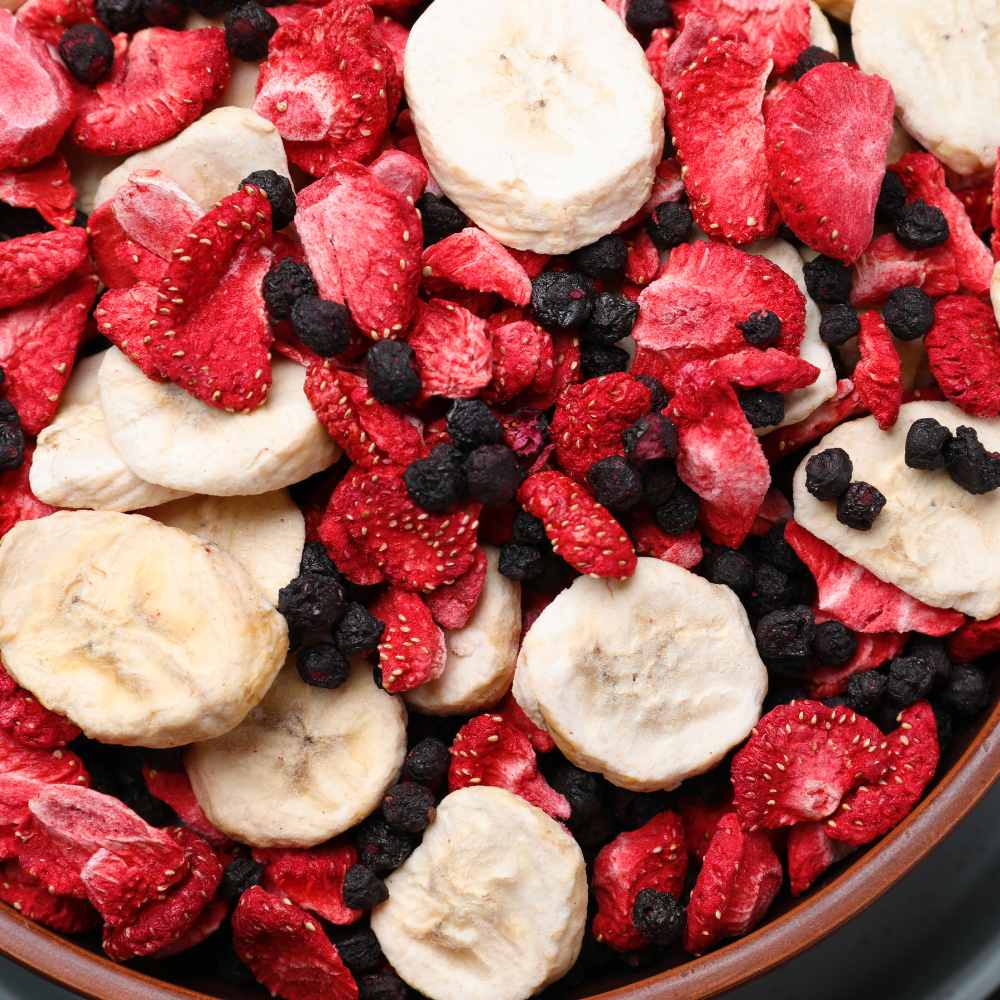
Food does not have to be at peak eating quality to be a useful candidate for freeze drying, but it should be wholesome and safe when it enters the process. This means overripe is fine, moldy is not.
When we’re trying to make the most of a garden harvest, groceries or food already in the kitchen, very ripe fruit, for example, is not necessarily spoiled fruit. I have freeze dried very ripe bananas, apples, blueberries and strawberries. After a quick sorting for molds, I freeze dried them. They were wonderful.
Likewise, grocery stores often discount meat as managers specials and many other products as they approach the sell-by date. Freeze dry these products quickly after examining them for molds and other spoilage tells.
But remember, freeze drying is not a reliable way to rescue food that has crossed into questionable territory. Harmful bacteria cannot aways be identified by appearance, smell or taste. And the freeze dryer cannot kill it entirely either.
A practical rule is:
Preserve aging but wholesome food. Don’t use freeze drying to rescue spoiled or questionably handled food.
If you would not feel comfortable safely preparing and eating the food today based on its condition and storage history, don’t rely on the freeze dryer to make it safe.
An example of this is a box of apples. Maybe you left them a bit long and some are getting spotty with age, bruised and dried looking. As long as they are good enough to trim off the bruised spots you can freeze dry them. But avoid using pieces that show molding areas or a lot of worm damage.
Does Freeze Drying Kill Bacteria Even at Extremely Low Temperatures?
No. Freeze drying is not a reliable bacterial kill step, even though the food becomes extremely cold during the process.
This may surprise you. it did me. Home freeze dryers operate at very low temperatures, so it is easy to assume those temperatures must kill bacteria.
But freezing, even a very low temperature freeze, is not sterilization.
Very low temperatures can injure or kill some microbial cells, but freezing does not reliably eliminate the organisms responsible for foodborne illness.
Freeze drying then removes available water from the frozen food. That dry environment is what prevents microorganisms from growing while the food remains sufficiently dry.
University of Minnesota Extension (linked at post bottom) explains that home freeze drying does not include a heat-treatment step capable of reliably killing illness-causing microorganisms. Organisms present in the food can survive the process and may begin growing again when moisture becomes available.
Dead and unable to grow are not the same thing.
Properly freeze-dried food works largely because harmful microorganisms don’t have enough available water to grow—not because the freeze dryer reliably kills them.
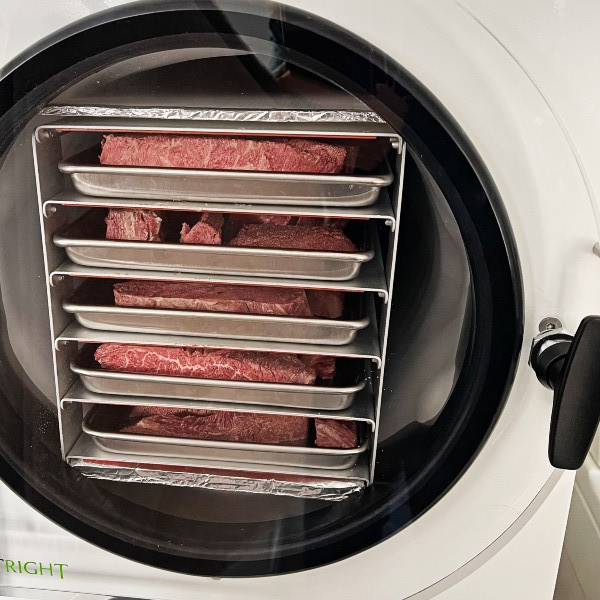
Can Salmonella, E. Coli and Other Harmful Bacteria Survive Freeze Drying?
Yes. Harmful microorganisms can survive freeze drying.
Depending on the food, organisms of concern can include Salmonella, pathogenic E. coli, Listeria monocytogenes, Campylobacter and other foodborne pathogens.
This does not mean properly freeze-dried food is inherently dangerous. It means we need to understand what the preservation process is actually accomplishing and make sure we do our part to make the process food safe.
Removing enough available water prevents bacterial growth while the food remains properly dried and stored. But if pathogens were present before drying, we cannot assume the freeze dryer destroyed them.
This is particularly important for foods such as raw meat, poultry and eggs. Label them carefully when packaging so years later you know how it was processed and how to rehydrate and consume safely.
It is also why safe handling matters so much for foods that will be eaten directly from the package. We don’t want to contaminate a cooked or ready-to-eat food while preparing, drying or packaging it. Often we assume food is safe because it looks good. That won’t always be true, as seasoned home preservationist know, if safe handling was lacking.
Where Is the Kill Step When You Freeze Dry Meat and Eggs?
Freeze drying foods that require cooking for safety need an effective cooking step before they are eaten. This ensures harmful bacteria are dead before consumption.
That cooking can occur at different points in the process.
Extension recommendations differ on freeze drying raw animal foods at home. University of Minnesota Extension describes processing raw or cooked meat, while Utah State University’s current guidance recommends cooking meat, poultry and seafood before freeze drying and using pasteurized or fully cooked eggs. Cooking first is the more conservative approach for home users.
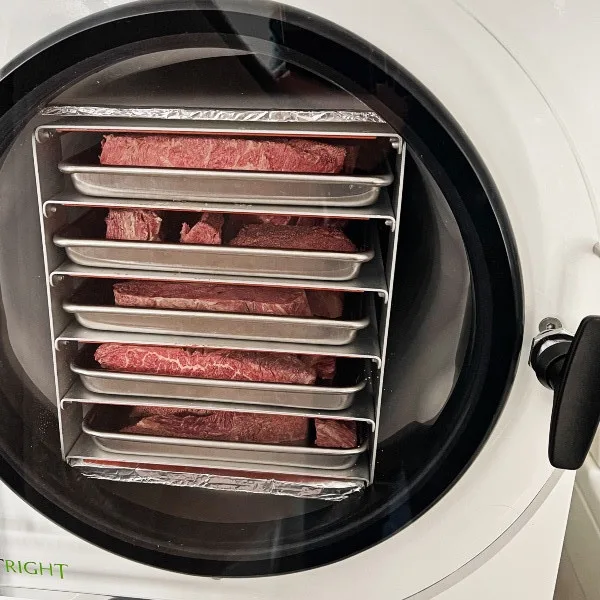
I did freeze dry raw beef, my free range unpasteurized eggs and raw chicken without a problem. But you need to know there is some controversy on this point. Let’s take the two paths to freeze drying meat and eggs safely and look at how each one works in your kitchen.
Path 1: FREEZE DRYING RAW:
For example:
Raw beef → freeze dry → package → store → rehydrate → cook → eat
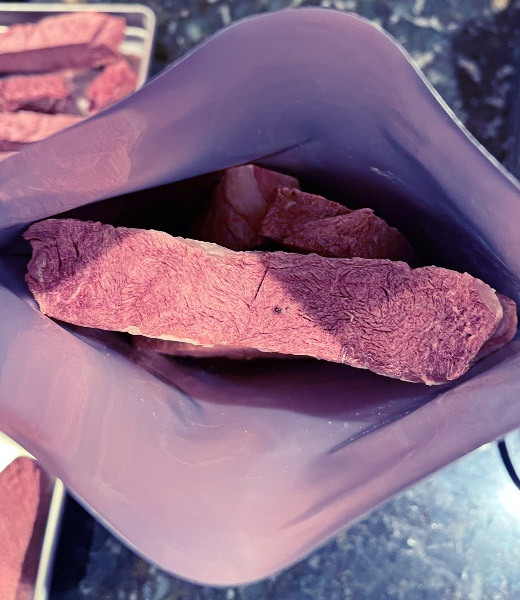
Raw freeze-dried beef. I have freeze dried raw beef and it makes an excellent cooked meal at rehydration. And you can use flavorful marinades to rehydrate raw freeze dried beef, which adds flavor.
I rehydrate raw meats for 24 hours or more depending on the thickness of the meat. Always refrigerate during rehydration. Once rehydrated…cook it to the proper internal temperature and refrigerate leftovers.
USDA says it this way: Rehydrate raw meat in the refrigerator. Keep rehydrated perishable foods refrigerated at 40°F or below, or eat them promptly. Do not leave them unrefrigerated for more than two hours—or one hour when temperatures exceed 90°F.
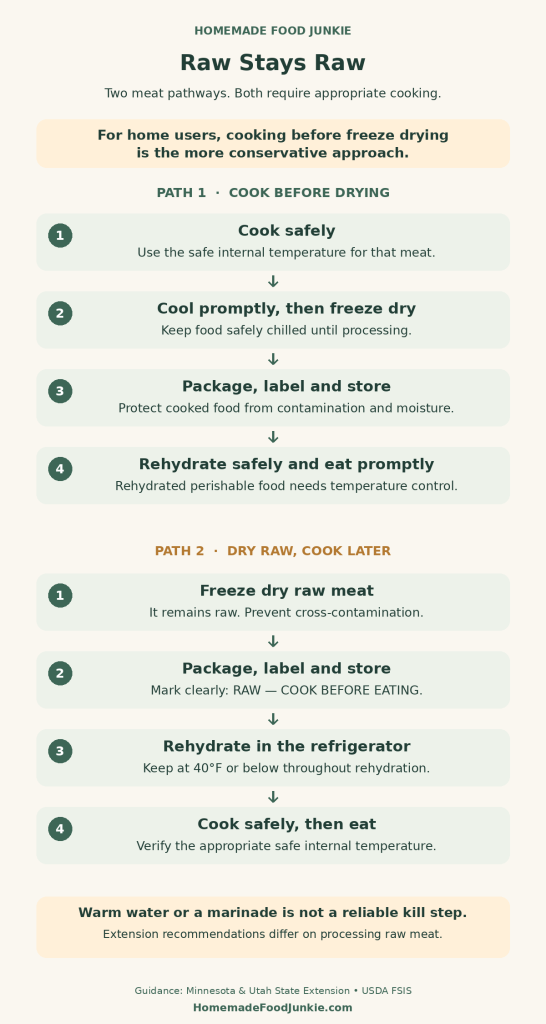
Path 2: COOKING BEFORE FREEZE DRYING:
Beef → cook safely → freeze dry → package → store → rehydrate/use appropriately
Cooking meats and eggs that received the cooking kill step before it was freeze dried creates very different stored foods. Follow the instructions below for cooking raw foods before freeze drying them to assure they are safe to eat after storage without recooking them.
The USDA recommends safe minimum internal temperatures appropriate to the food. These include 145°F with a three-minute rest for whole cuts of beef, pork, lamb and veal; 160°F for ground meats; and 165°F for poultry.
USDA FSIS: Safe Minimum Internal Temperature Chart
Cool cooked perishable foods promptly in shallow containers and refrigerate or freeze them until processing.
A useful rule of thumb is:
If you wouldn’t eat a food raw after taking it from your freezer, don’t assume you can eat it raw after taking it from your freeze-dried food storage.
This becomes particularly important when preparing freeze-dried meals for people who may not have cooking equipment available, or understand the food safety rules freeze drying rehydration requires. Be sure to clearly label raw foods as raw, with proper instructions on how to use that food when appropriate.
Is Homemade Freeze-Dried Food Safe to Eat Without Cooking?

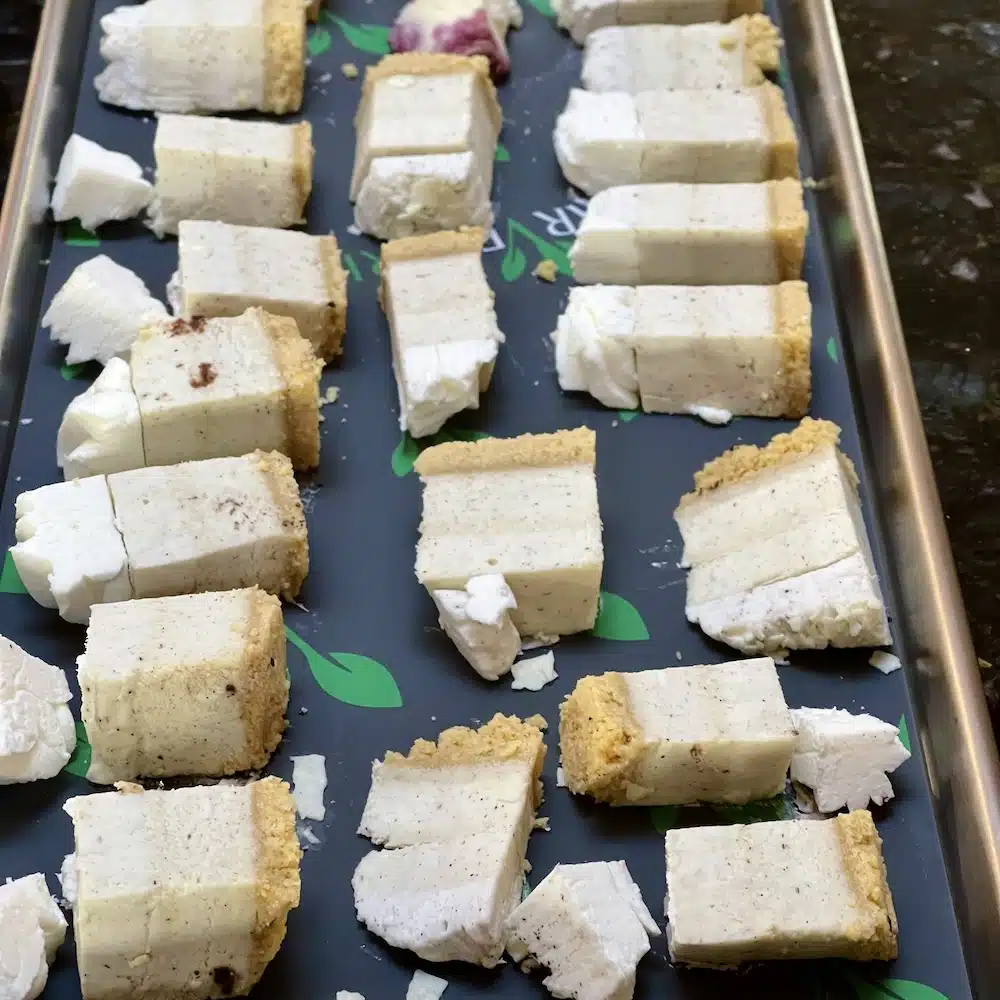
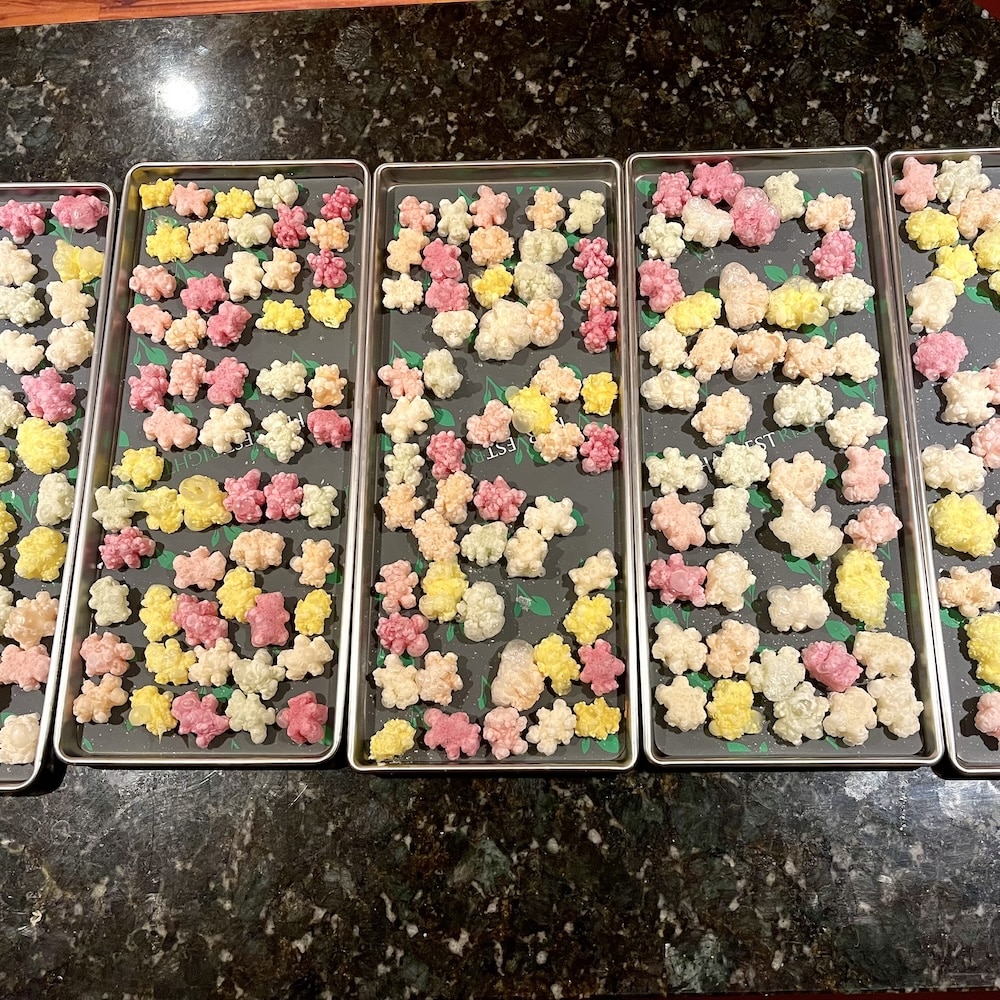
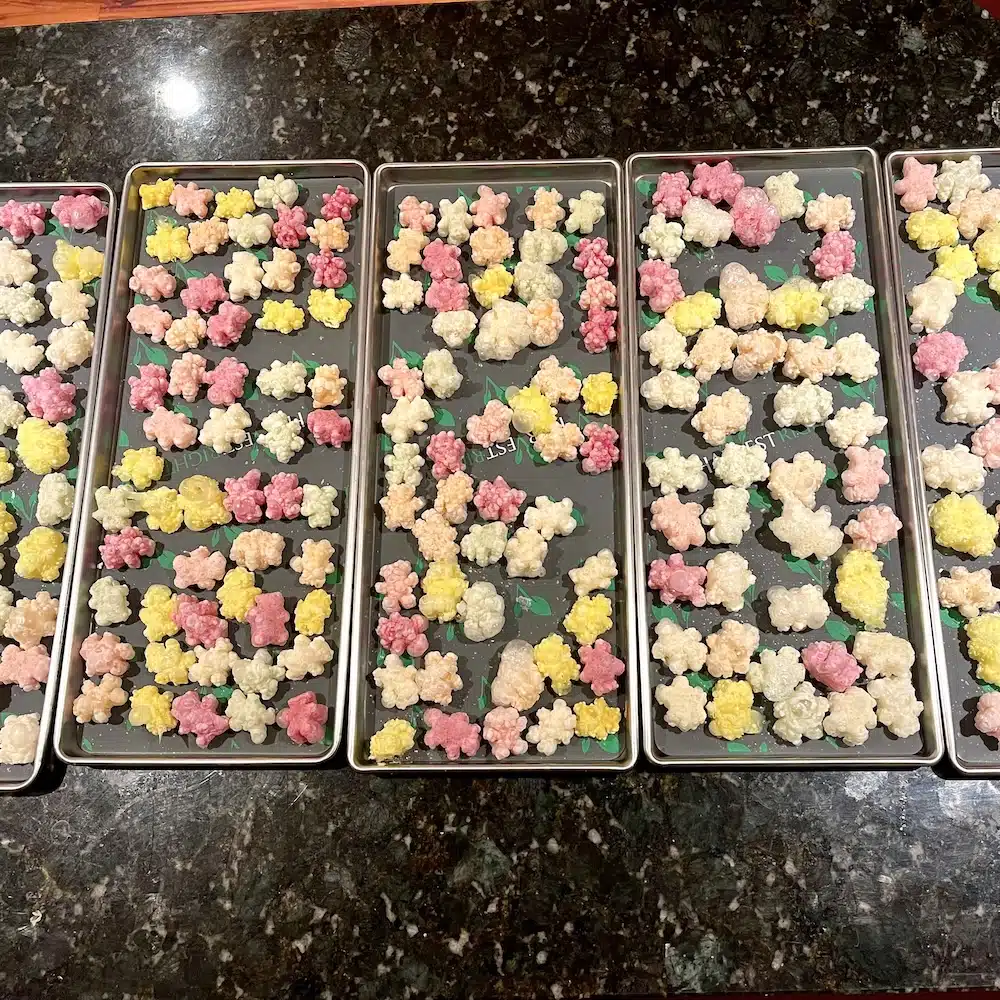
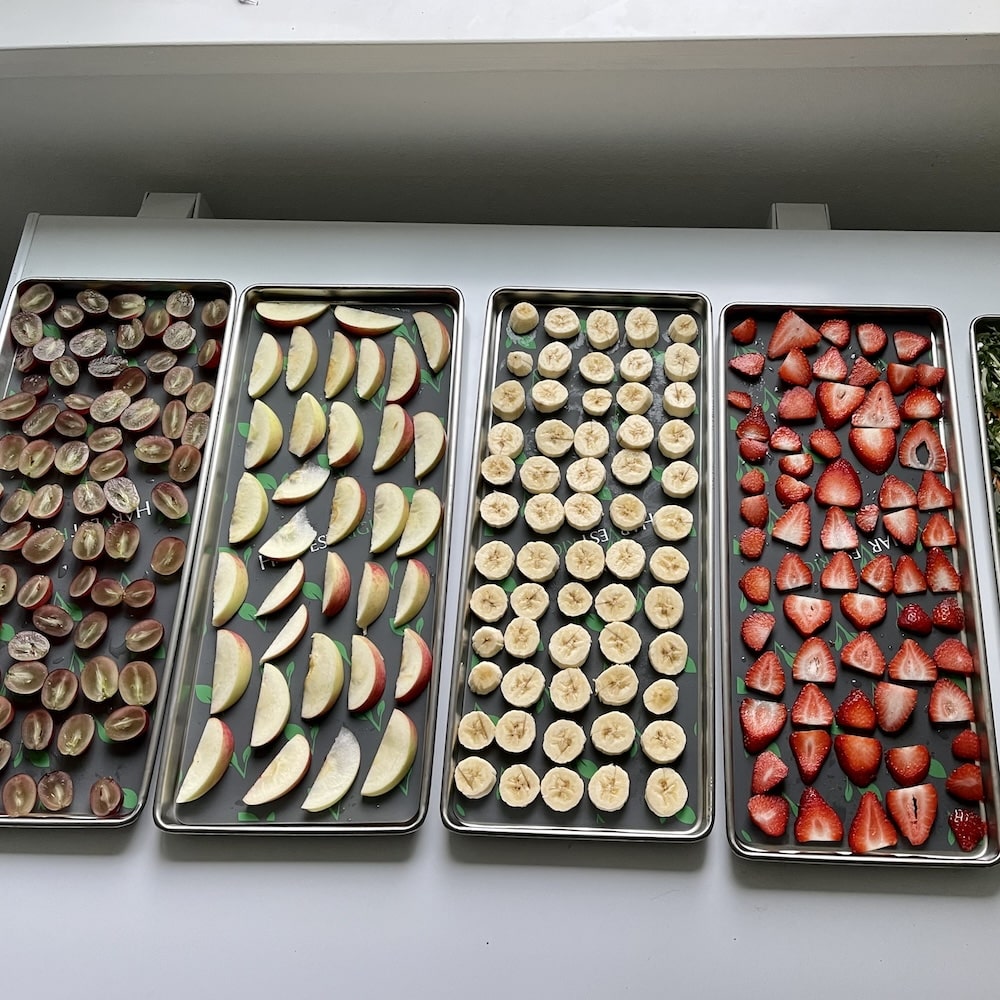
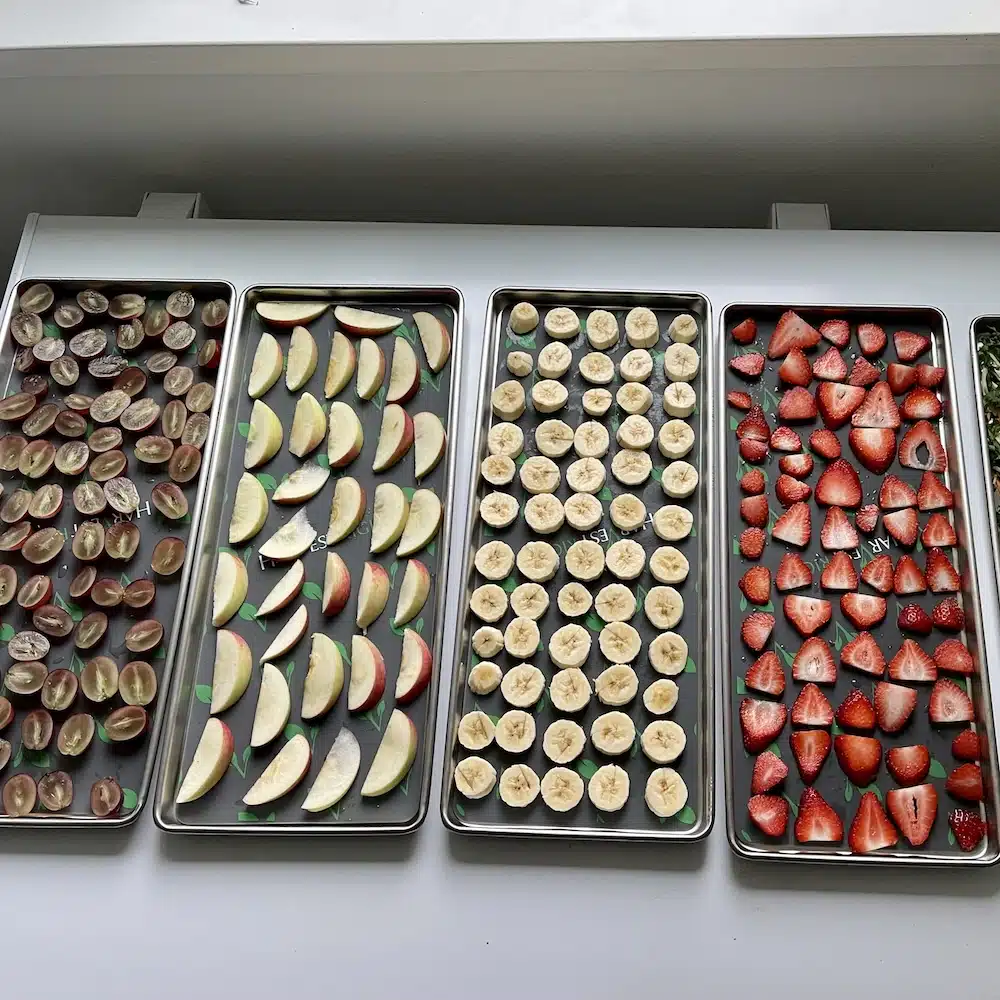
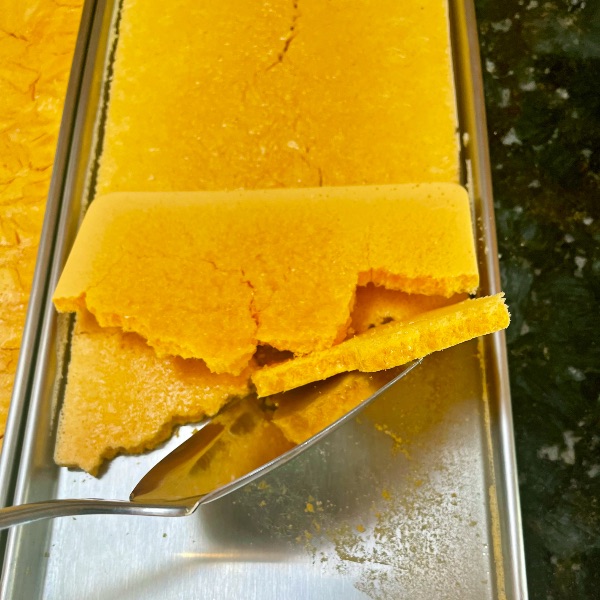
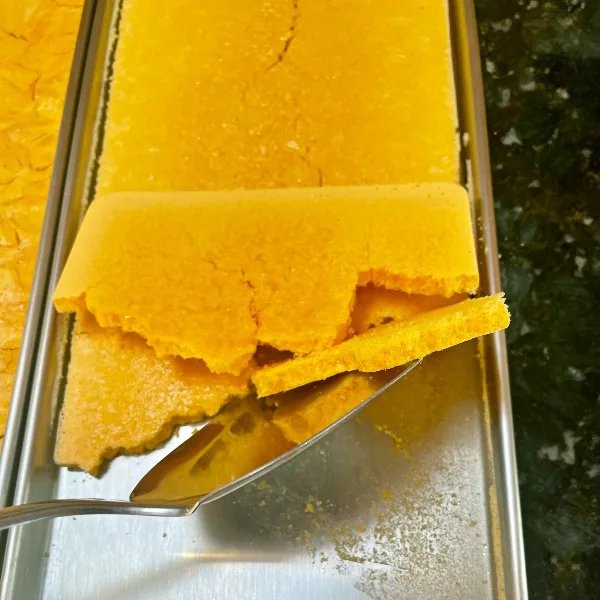
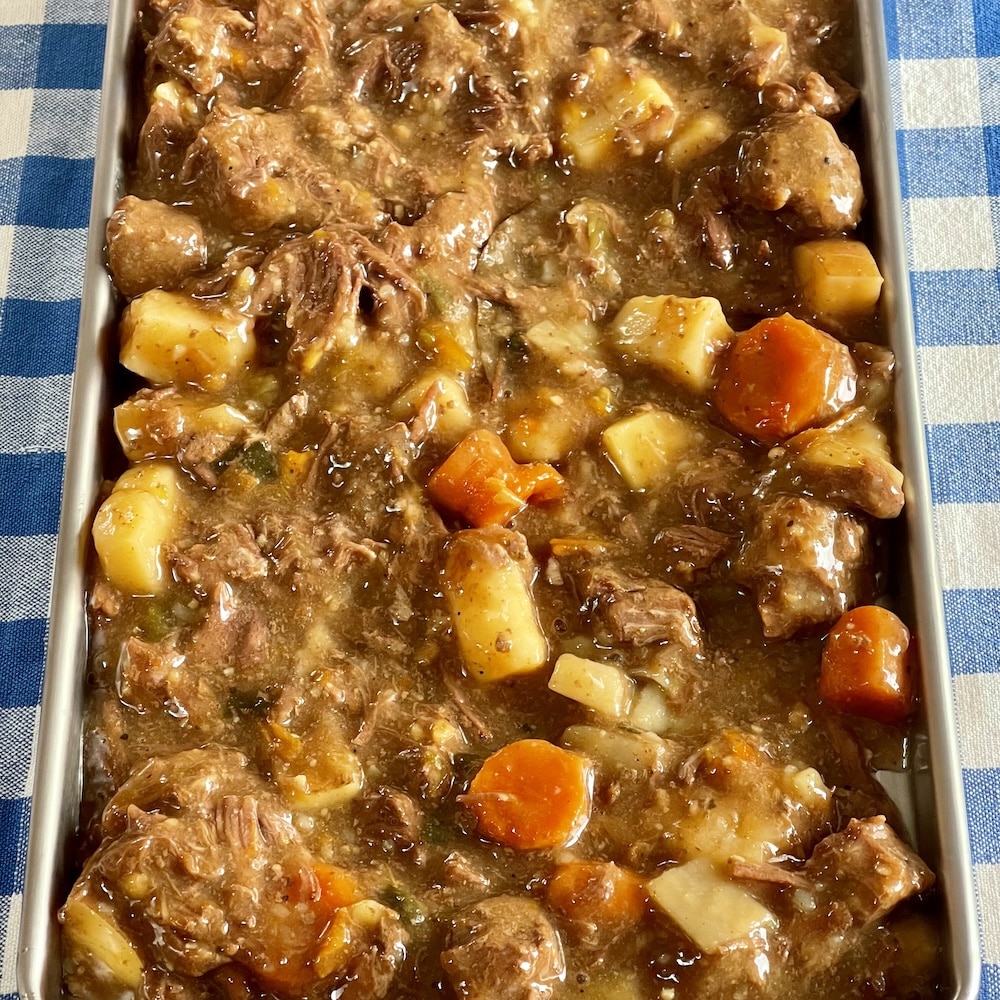
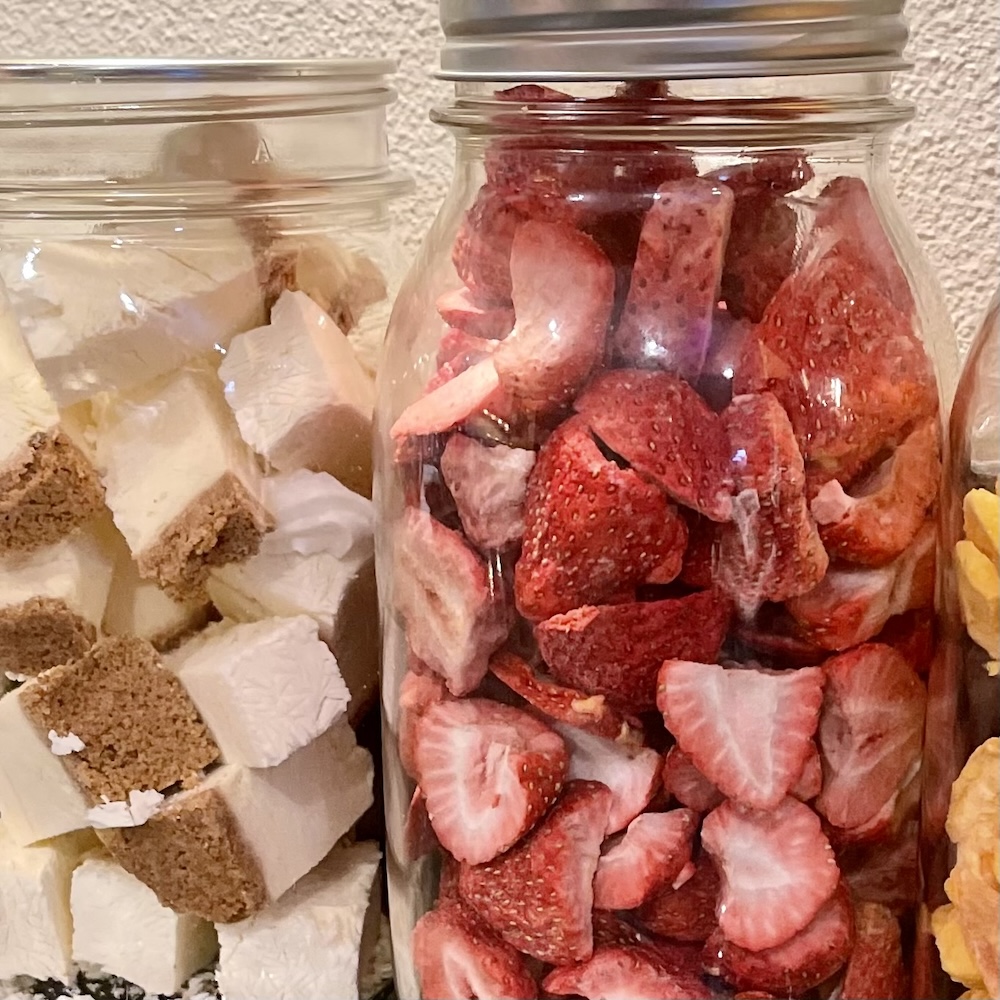
All the foods you see pictured above can be eaten safely straight from the package if correctly prepared and packaged.
Some freeze-dried foods can be eaten directly from the package. Others still require cooking. What matters is what went into the freeze dryer and how it was handled.
A sound piece of fruit that was safely prepared for eating is fundamentally different from raw hamburger. Many freeze dried foods are food safe at opening if they were handled properly during preparation and dried sufficiently.
However, Freeze drying raw hamburger does not turn it into cooked hamburger or make it safe to consume right out of the package.
This distinction matters for campers, hikers, emergency food supplies and homemade trail meals, like DIY MREs.
If you intend to eat a freeze-dried meal without a reliable cooking step, begin with ingredients that are already safe to eat in that state and handle them carefully as ready-to-eat foods throughout preparation and packaging.
For example, meat intended for a no-cook meal should receive its appropriate cooking step before freeze drying. The freeze dryer cannot make raw meat safe.
And remember that rehydrating is not necessarily reheating. Adding warm water to a meal does not automatically provide the same microbial kill step as cooking the food to a verified safe temperature.
Can Foods That Were Already Preserved Be Freeze Dried?
Freeze drying can sometimes be used as another preservation step for foods that have already been frozen, cooked, fermented, smoked, dried or otherwise safely preserved.
This opens interesting possibilities for experienced home food preservers.
However, every preservation process has its own safety requirements.
A safe fermentation must be completed safely before freeze drying. Properly prepared jerky or smoked meat must have gone through an appropriate process before entering the freeze dryer. Frozen raw meat remains raw. A previously cooked food, like leftover casseroles or other meals, carries its cooking and handling history with it.
The governing principle is simple:
Freeze drying can continue or transform a successful preservation process. It cannot correct an unsafe one.
We’ll cover which fresh, cooked, frozen, fermented, dried and other preserved foods are good candidates in our What Foods Can You Freeze Dry? guide.
For research-based guidance on fermentation, canning, drying and other home-preservation methods, the National Center for Home Food Preservation is an excellent resource.
National Center for Home Food Preservation
How Do You Prevent Cross-Contamination When Freeze Drying Food?
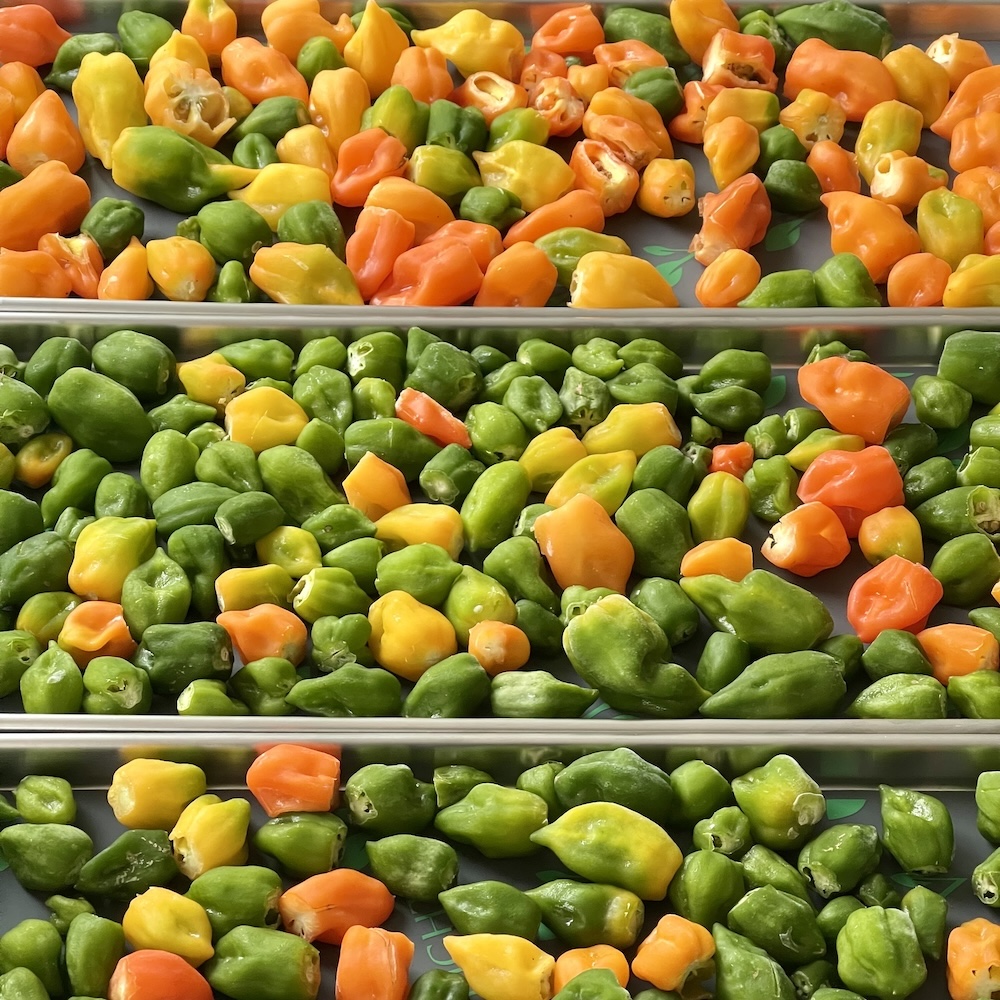
Organizing the kitchen into a clean, one-directional workflow can reduce contamination during large food-preservation projects.
This becomes especially important during harvest season.
A bumper crop might be divided among several preservation methods in the same day. Some vegetables are going into the freezer, some into the dehydrator, some into the freeze dryer and others into the canner.
Experienced food preservers know about handwashing and clean cutting boards. The difficulty comes when we are six hours into a preservation day, several appliances are running, trays need loading, jars need attention and people are moving repeatedly between tasks.
Rather than relying entirely on memory, think of the kitchen workflow as moving in one direction: Using different work stations will help rather than going back and forth through them.
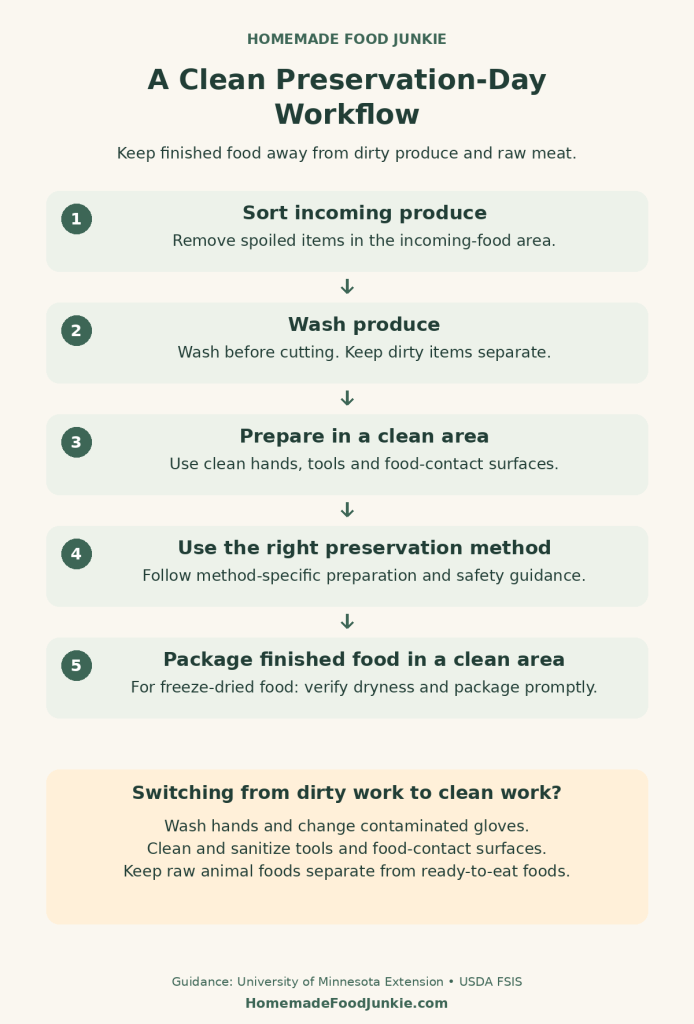
Incoming/dirty food → washed food → clean preparation → preservation → finished food → clean packaging
Try not to move backward through that workflow without resetting whatever needs to be clean.
For example, don’t unload finished freeze-dried food onto the counter where you just trimmed dirty garden produce without first clearing, cleaning and sanitizing that workspace.
And don’t move from handling raw meat to packaging ready-to-eat freeze-dried fruit without properly washing your hands and changing contaminated gloves, utensils and work surfaces.
Setting Up for a Big Preservation Day
For a large garden harvest, a practical workflow might be:
Sort → wash → drain → trim → divide into batches → apply the preparation required for each preservation method.
- One batch might be frozen.
- Another might be dehydrated.
- Another might be freeze dried.
- Another might be canned or pickled according to a tested recipe.
One crop does not necessarily mean one preparation method. Blanching, cooking, acidification and other pretreatments vary according to the preservation method being used.
When several people are helping, assigning jobs or work zones can make the process easier to control.
One person can handle incoming produce while another works with washed food. Someone else can manage the canner. Finished freeze-dried food can be packaged at a clean workspace away from dirty produce and raw animal foods.
You don’t need a commercial kitchen to do this. You need an organized home kitchen and a workflow that prevents clean food from continually crossing back into dirty work.
The point is: Practice efficiency and food safety in the process so cross contamination is reduced.
Do You Need to Wear Gloves When Freeze Drying Food?
Gloves aren’t necessary for every freeze-drying task, and wearing gloves does not replace proper handwashing.
Clean hands remain fundamental.
Single-use gloves become particularly useful when handling ready-to-eat foods that will not receive another cooking step. University of Minnesota Extension recommends them for these foods.
But gloves only remain clean until they touch something contaminated.
If you touch your phone, garbage or compost container, dirty produce, raw meat, your face or hair, pets, door handles or other potentially contaminated surfaces, change the gloves before returning to ready-to-eat food.
Wash your hands before putting on gloves and when changing tasks as appropriate.
A dirty glove is still a dirty food-contact surface.
How Do You Know Freeze-Dried Food Is Completely Dry?
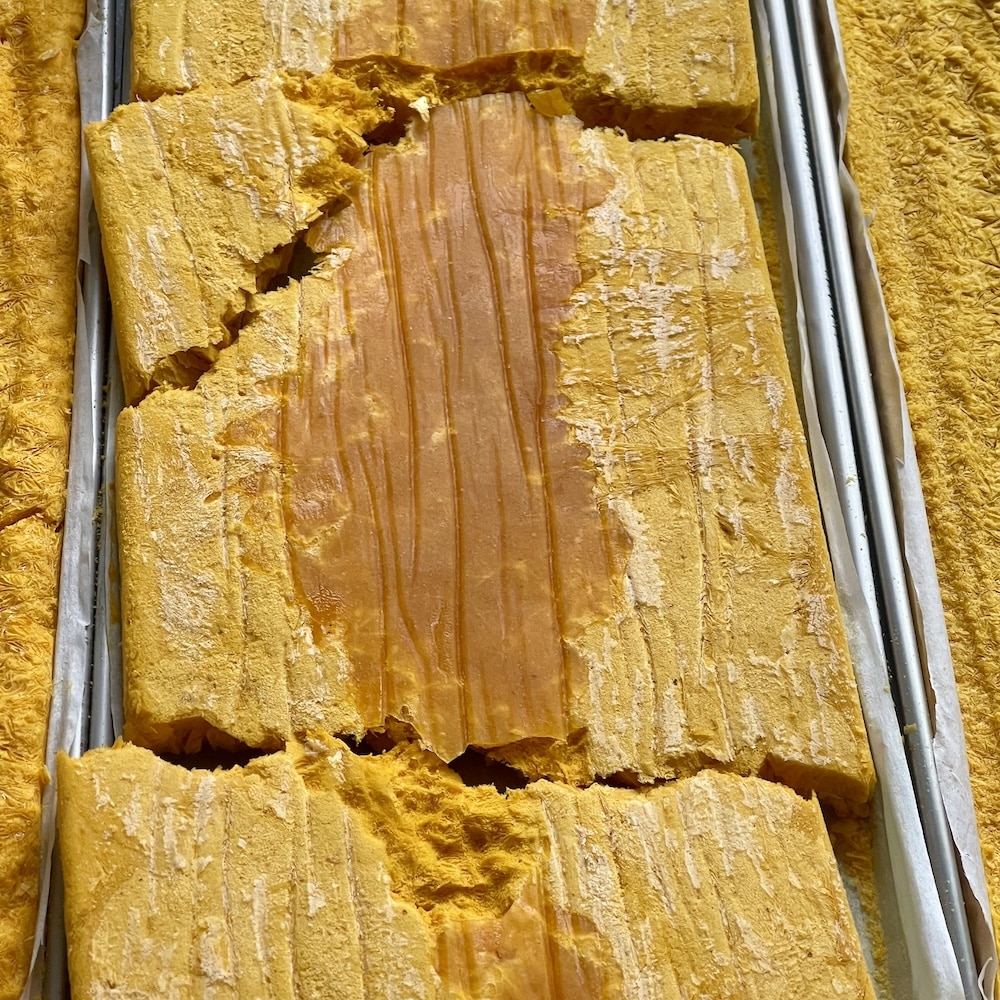
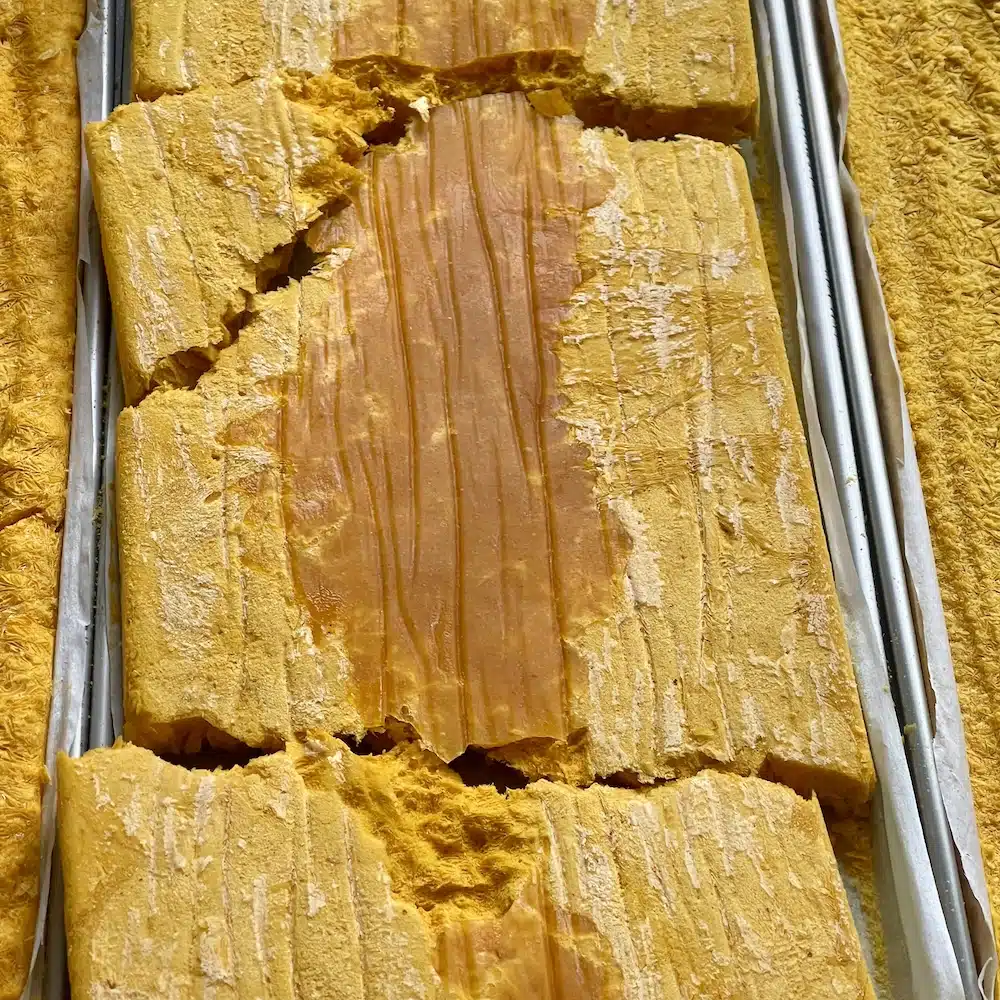
Food needs to be dry all the way through before it is packaged for shelf storage. And not just for storage longevity.
This is one of the most important food safety responsibilities of the home freeze-dryer operator.
Foods don’t necessarily dry uniformly. Thickness, sugar, fat, density, skins, crusts and the amount of food on the tray can all influence how easily moisture escapes.
University of Minnesota Extension recommends checking food from multiple trays and cutting samples open to examine the interior. If you find cool, dark or moist areas inside a piece, additional drying is needed.
Do not assume that because the machine completed its programmed cycle every piece is necessarily ready for long-term packaging. Check your trays and when in doubt hit the More Dry Time Button until you’re sure its really dry.
This is especially important for thick foods, dense foods and mixed dishes such as casseroles.
High-sugar foods can also hold water strongly and may require more attention to complete drying. High-fat foods present different challenges because freeze drying removes water but does not remove fat.
We’ll explore these differences in much more detail in What Foods Can You Freeze Dry?
Does Home Freeze-Dried Food Really Last 25 Years?
Home freeze-dryer manufacturers commonly promote very long potential shelf lives, sometimes up to 25 years, but that should not be interpreted as an automatic shelf life for every food processed in a home machine.
Long-term storage depends on several variables:
- The food itself
- Fat content
- How completely the food was dried
- Packaging
- Exposure to oxygen
- Exposure to moisture
- Storage temperature
- Light
- Handling and contamination
- The condition of the food when processing began
Freeze Dried High Fat Foods May Not Have The Shelf life You Expect.
Fats do not hold up in storage well after freeze drying as a general rule. Be sure to check your stored freeze dried high fat foods occasionally to avoid rancid stored goods.
When I freeze dry meats, I trim visible fat from steaks and other fatty meats before freeze drying them and cook and drain hamburger when I want to store it cooked.
I also experimented with freeze drying salami. It was messy to process, and the fat became rancid in less than a year. Based on that experience, salami is not something I recommend for long-term home freeze-dried storage.
That is my experience with that particular food, not a universal shelf-life prediction for every freeze-dried meat.
It does demonstrate an important principle:
Shelf life belongs to the particular food and storage system—not simply to the fact that the food went through a freeze dryer.
Utah State University Extension cautions consumers about assuming manufacturer-advertised long shelf lives apply universally to foods produced in home freeze dryers.
Utah State University Extension: Buying a Home Freeze Dryer — What to Know Before You Go
It is also useful to distinguish shelf stable from 25-year storage.
A food can be successfully freeze dried and shelf stable without being an ideal candidate for decades of storage.
Can Freeze-Dried Food Become Unsafe During Storage?
Yes. Freeze drying only protects food while the conditions that make it stable are maintained.
Moisture is particularly important.
Freeze-dried foods readily absorb water from the surrounding air. That’s why finished food should be tested for dryness and packaged promptly in appropriate moisture-resistant packaging after freeze drying is complete.
If residual moisture was left inside the food, or moisture enters through inadequate packaging or a failed seal, the conditions inside the package have changed.
A vacuum, Mylar bag or oxygen absorber does not compensate for improperly dried food.
Before unloading the freeze dryer, it is useful to prepare the packaging area first:
Clear the counter → clean and sanitize → wash hands → assemble clean packaging, labels and sealing supplies → unload → verify dryness → package promptly.
The finished food shouldn’t be treated like another tray of garden produce. It is now a preserved product that needs protection from moisture, unclean surfaces, dirty hands and other contaminants.
What Happens to Food Safety After Freeze-Dried Food Is Rehydrated?
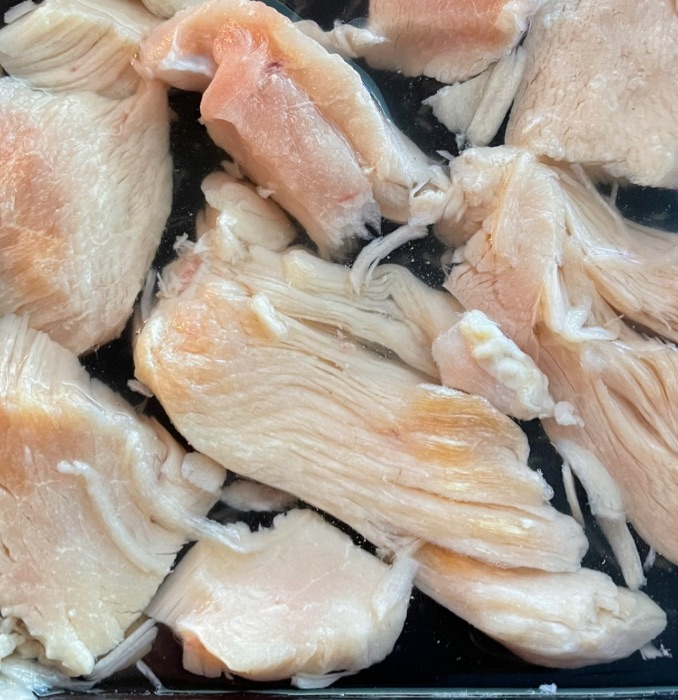
Once water is returned to freeze-dried food, one of its major preservation barriers has been removed.
- Microorganisms that survived the freeze-drying process may again encounter conditions that permit growth.
- That means rehydrated perishable food should once again be treated as perishable food.
- Raw freeze-dried meat that is rehydrated becomes rehydrated raw meat and needs appropriate cooking.
- A rehydrated prepared meal shouldn’t be left sitting for hours simply because it started as freeze-dried food.
- This is particularly important for camping, hiking and emergency meals, where food may be rehydrated in warm outdoor conditions.
Plan the meal according to how it will actually be used:
Open → rehydrate if necessary → cook when required → eat promptly.
Safe Home Freeze Drying Is a Process
Home freeze dryers give gardeners, cooks and food preservers another remarkable way to manage a household food supply. It can easily be incorporated into the existing flow of home preserving methods and enhance a home preserver’s options for time management, crop management and storage.
And freeze drying can continue throughout the year to be a meaningful addition to building a larder of home cooked foods for the pantry and your long food storage planning. It is very simple to do. We just need to respect what freeze drying can do, and what it cannot. It won’t sterilize your food.
The safest way to approach home freeze drying is to follow the food from beginning to end:
- Start with safe, wholesome food.
- Keep the food, equipment and work area clean.
- Know where the kill step occurs when one is required.
- Keep perishable ingredients at safe temperatures.
- Freeze dry the food completely.
- Protect finished food from recontamination.
- Package it promptly and keep it dry.
- Label raw and cooked foods appropriately.
- Handle rehydrated food according to what it actually is—not simply according to the fact that it was once freeze dried.
Perhaps the most useful thing to remember is this:
Freeze drying preserves the food in the condition you put into the machine. It does not erase that food’s biological history. Like with all preserving methods, bad food in, bad food out.
A safely grown, purchased, handled, cooked or otherwise preserved food gives you the best starting point for a successful freeze-dried product.
And when a food has special requirements—whether it is meat, eggs, dairy, fermented food, smoked food or something unusual from another culinary tradition—check authoritative food-specific guidance rather than assuming that the freeze dryer changes the rules.
Authoritative Resources for Home Freeze Drying
For more detailed research-based information, these are excellent starting points:
- University of Minnesota Extension — Home Freeze Drying
- Utah State University Extension — Can I Freeze-Dry That? A Practical Guide to Safe and Effective Freeze Drying
- USDA Food Safety and Inspection Service — Safe Minimum Internal Temperature Chart
- National Center for Home Food Preservation
Freeze Drying Food Safety FAQ
Does freeze drying sterilize food?
No. Freeze drying removes available moisture and prevents microorganisms from growing when food remains sufficiently dry, but it does not reliably kill all microorganisms already present.
Can bacteria survive freeze drying?
Yes. Some foodborne pathogens can survive freeze drying. This is why starting with wholesome food, preventing contamination through safe handling, making sure your freeze dried foods are completely dry before packaging and cooking foods that require a kill step remain important.
Can raw meat be freeze dried?
Raw meat can be freeze dried. It should be clearly labeled and cooked to the appropriate safe internal temperature before eating. Some current Extension recommendations are more conservative about raw animal foods, so check current food-specific guidance before processing.
Should meat be cooked before freeze drying?
If you want a cooked product—particularly for a meal that may be eaten without a later cooking step—cook the meat safely before freeze drying it. Raw meat intended to be cooked later can remain raw through freeze drying.
Can you eat freeze-dried food without rehydrating it?
Many foods can be eaten dry, including appropriately handled ready-to-eat foods. Whether a food is safe to eat without cooking depends on the food and its preparation—not simply on whether it is dry.
Does freeze-dried food really last 25 years?
Some freeze-dried foods may be suitable for very long storage under appropriate conditions, but 25 years should not be assumed for every food produced in a home freeze dryer. Food composition, complete drying, packaging, oxygen, moisture and storage conditions all affect useful shelf life.
Can freeze-dried food go bad if it gets wet?
Moisture entering freeze dried foods removes the primary barrier that keeps freeze-dried food stable. Food that has absorbed moisture should not be treated as shelf stable. opened, rehydrated foods are safest refrigerated.
Is rehydrated freeze-dried food still shelf stable?
No. Rehydrated perishable food must be treated as perishable again.
Read More About Freeze Drying In These Posts:
- Freeze Dried Food Storage Tips for Short and Long Term Storage
- How Does Freeze Drying Work?
- The Complete guide to Oxygen absorbers For freeze Dried foods
- Food Safe Guide For Silica Gel Packets
- What is Good to Freeze Dry?
- Freeze Dry Equipment
- Should you Buy A Home Freeze Dryer?