How Does Freeze Drying Work?
As an Amazon Associate and member of other affiliate programs we earn a small commission from qualifying purchases through our affiliate link. For more information read our Entire Affiliate Disclosure.
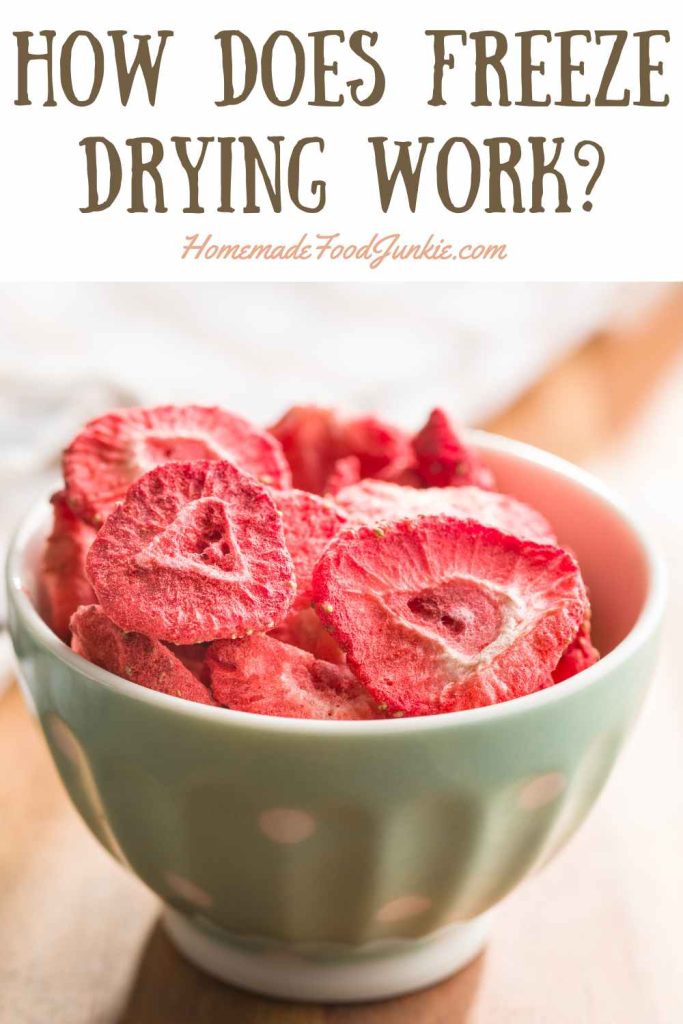
Freeze drying is a method of food preservation that removes most of the water from food while the food is frozen. The result is a lightweight, dry food that can often retain much of its original shape, color, flavor and structure.
Reviewed and updated: October 2026. We revised this guide using university Extension guidance and published research to clarify the freeze-drying process, food-safety limitations, nutrient retention and storage considerations.
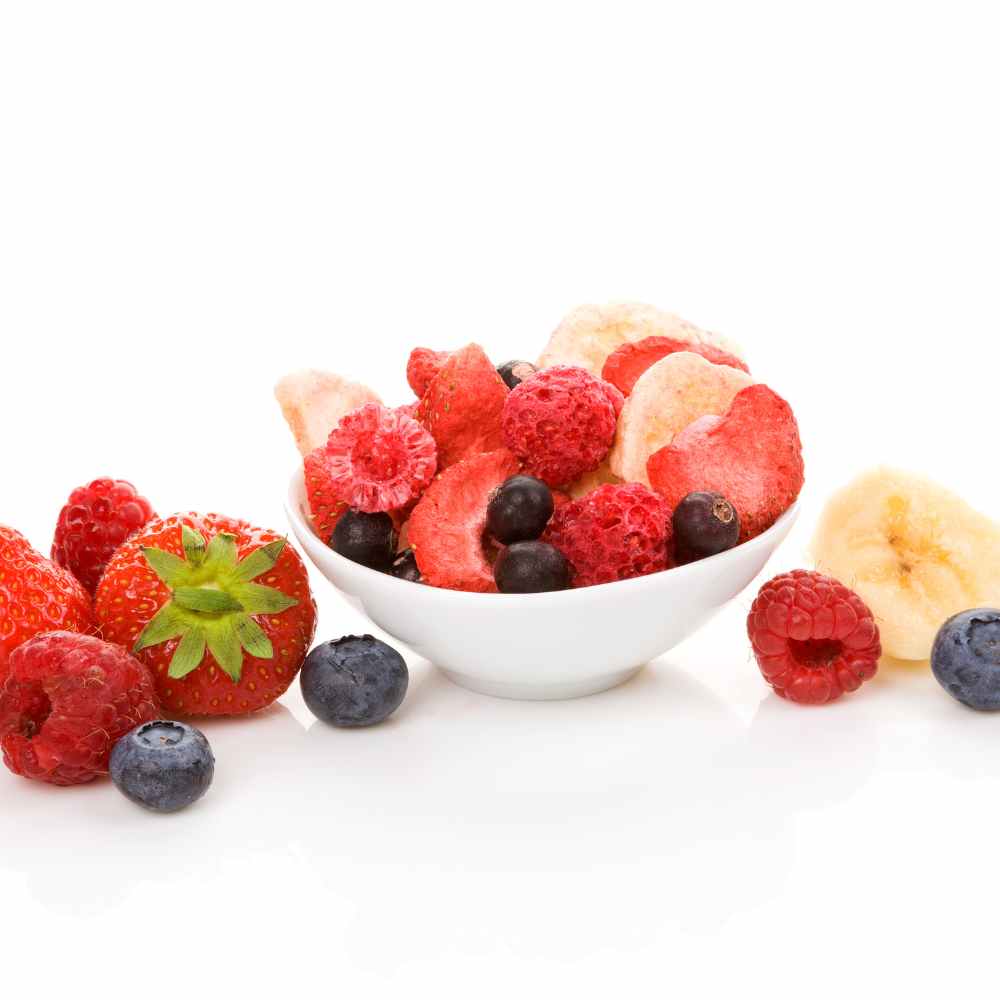
You may already be familiar with freeze-dried strawberries and other fruits in cereals and snack mixes, or the increasingly popular freeze-dried candies that become light, crisp and intensely flavored.
Freeze drying is also used for everything from coffee and herbs to meats, dairy products and complete meals. With a home freeze dryer, many of these same foods can be preserved right in your own kitchen.
The process is also called lyophilization. It is used commercially for foods, pharmaceuticals and other materials that benefit from having moisture removed without prolonged exposure to high heat.
For home food preservers, freeze drying offers a very different option from canning, freezing or conventional dehydrating. Instead of storing food in liquid, keeping it continuously frozen, or drying it with warm moving air, a freeze dryer freezes the food and removes the frozen water under vacuum.
That unusual process is what gives freeze-dried food its characteristic light, porous texture.
How Does a Home Freeze Dryer Work?
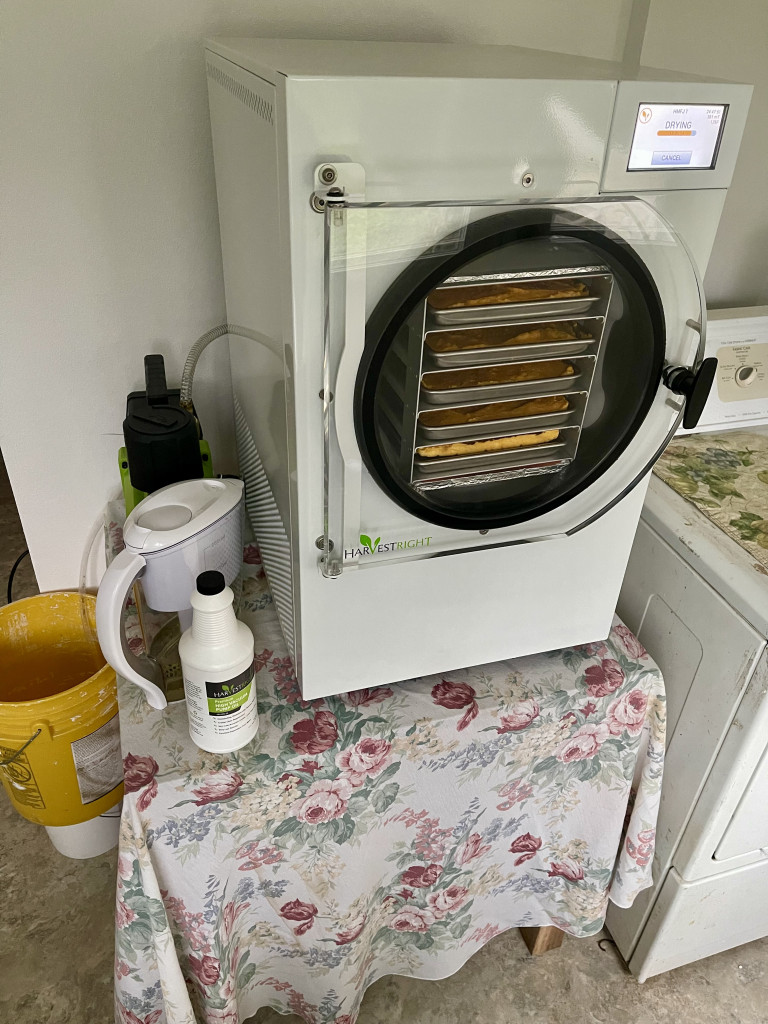
A home freeze dryer removes water from food in three stages: freezing, primary drying and secondary drying. The machine controls the temperature and pressure required for each stage, but preparing evenly sized food and loading the trays consistently helps the batch process more predictably.
1. The Food Freezes
The machine first lowers the temperature until the water within the food freezes.
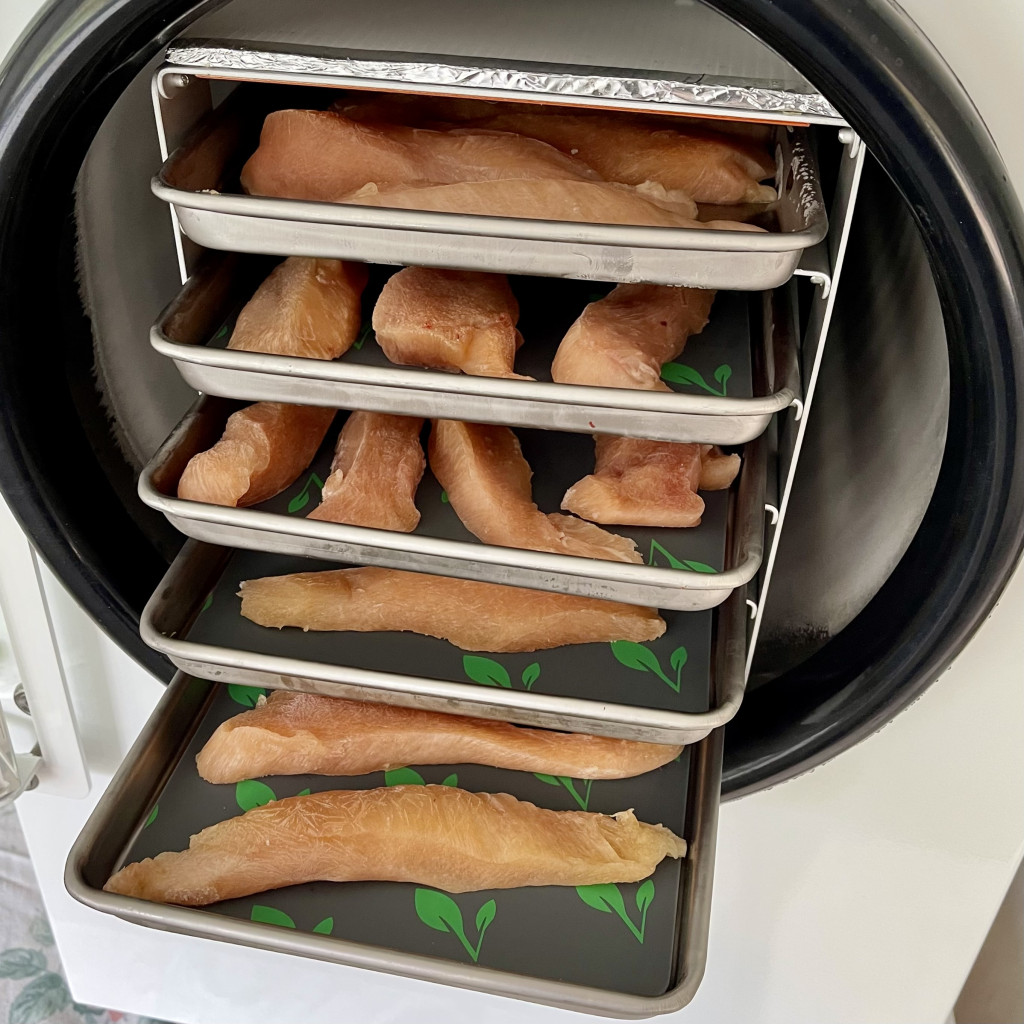
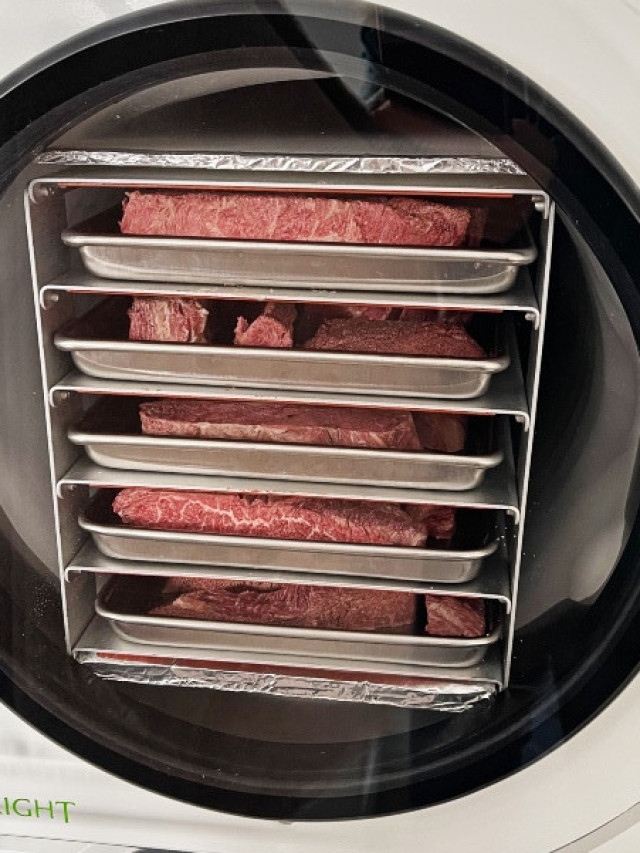
Cutting food into reasonably uniform pieces and spreading it evenly on the trays helps the batch freeze and dry consistently. A separate freezer is not required, although pre-freezing the trays can shorten the machine cycle. If freezer space is unavailable, the freeze dryer can complete the entire freezing stage itself.
2. Primary Drying Removes Ice Through Sublimation
Once the food is thoroughly frozen, the machine lowers the pressure inside the chamber and applies carefully controlled heat. Under these conditions, much of the ice changes directly from a solid into water vapor without first becoming liquid water.
This direct change is called sublimation:
ice → water vapor
The vapor moves away from the food and freezes onto a cold surface inside the machine. This is where the sheet of ice inside the chamber comes from—it is the water that was removed from the food.
Primary drying removes most of the frozen water and is generally the longest part of the cycle.
3. Secondary Drying Removes Remaining Moisture
After most of the ice is gone, the machine continues drying the food to remove more tightly held moisture.
The completed machine cycle does not eliminate the need to check the food. Examine pieces from different trays and break open several of the thickest portions. If any piece feels soft, damp, gummy or suspiciously cold in the center, return the trays to the machine and add more drying time.
Food must be completely dry before it is packaged for storage.
What Happens to Food During Freeze Drying?
When ice leaves the food during sublimation, it can leave behind tiny open spaces in the food’s structure.
That porous structure is one reason many freeze-dried foods become extremely lightweight and crisp when dry. It is also one reason many freeze-dried foods rehydrate relatively well: water, or other liquid, can move back into those spaces when the food is reconstituted.
Recent reviews of freeze-drying technology describe good retention of food structure, color, flavor and rehydration ability compared with many other drying processes, although results vary considerably with the food and the conditions used during processing.
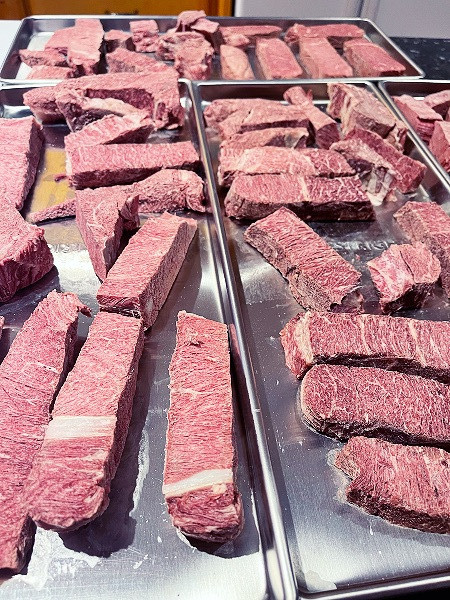
The texture of the finished dry food is not the same as fresh food. Fruits may become crisp, meats become dry and brittle, and sauces or liquids become light, porous solids that can be powdered.
Some freeze-dried foods are enjoyable eaten dry. Others are best rehydrated before use.
Why Does Removing Water Preserve Food?
Microorganisms and many chemical and enzymatic reactions depend on available water.
Food scientists describe this using the term water activity. Water activity is not simply the total amount of water in a food; it describes how available that water is for microbial growth and other reactions.
Reducing water activity is one of the established ways food can be made more stable during storage. FDA notes that water activity strongly affects food stability and microbial growth.
Freeze drying removes enough water that properly processed food can become stable at room temperature when it is also packaged and stored correctly.
That does not mean freeze drying sterilizes food.
This is an important food-safety distinction. Utah State University Extension specifically warns home freeze dryers that freeze drying does not kill bacteria. Microorganisms can survive in a dormant state and may become active again when moisture returns.
Safe handling matters throughout preparation, drying, packaging and use. Contaminated food can cause illness even when eaten dry; rehydration can also allow surviving microorganisms to grow.
For that reason, food should be handled safely before freeze drying and again after rehydration. See our Complete guide to Freeze Drying Food Safety.
Does Freeze Drying Preserve Nutrients?
Freeze drying is well regarded for preserving food quality, and research shows it can retain nutrients and other heat-sensitive compounds very well compared with some higher-temperature drying processes.
However, there is not one universal percentage of nutrients that every freeze-dried food retains. Read the Pubmed study here.
Nutrient retention depends on several factors, including:
- the food itself
- the nutrient being measured
- preparation and pretreatment
- freezing conditions
- drying temperature and pressure
- exposure to oxygen and light
- packaging
- storage time and temperature
So rather than saying freeze drying always preserves 97 percent of nutrients, it is more accurate to say that freeze drying can preserve many nutrients exceptionally well, but the amount retained varies.
That is still an important advantage, particularly for foods that contain compounds sensitive to prolonged heat.
How Does Freeze Drying Compare With Other Preservation Methods?
Freeze drying is one of several useful ways to preserve food at home. It does not need to replace freezing, dehydrating or canning.
Freezing is affordable and retains food quality well, but it requires freezer space and continuous electricity. Dehydrating is also economical and produces shelf-stable food, although warm-air drying often changes the food’s size and texture. Canning produces dependable shelf-stable food using established heat-processing methods and tested recipes.
Freeze drying requires a much larger equipment investment, but it produces lightweight food that needs no refrigeration once it is completely dry and properly packaged. Many foods retain their shape and flavor well, and the porous structure allows them to absorb water readily when rehydrated. Complete meals and ingredients can also be preserved in forms that are not practical with traditional home canning.
The best method depends on the food, how you plan to use it and which equipment you already own. See our complete comparison of Freeze Drying vs. Dehydrating for more help choosing between methods.
Can You Freeze Dry Food at Home?
Yes. Home freeze dryers are designed to automate the freezing, vacuum and drying stages needed for freeze drying food.
That has made a process once associated mainly with commercial and laboratory equipment accessible to home gardeners, cooks, hunters and food preservers.
A home freeze dryer is still a significant appliance investment, however. Machine size, capacity, operating costs, noise, space, electrical requirements and maintenance all matter.
If you are deciding whether one belongs in your home, see our guide to Considering a Freeze Dryer for Home Use. That article focuses specifically on what ownership involves and whether a home freeze dryer makes sense for your lifestyle.
What Foods Can Be Freeze Dried?
A remarkably wide variety of foods can be freeze dried.
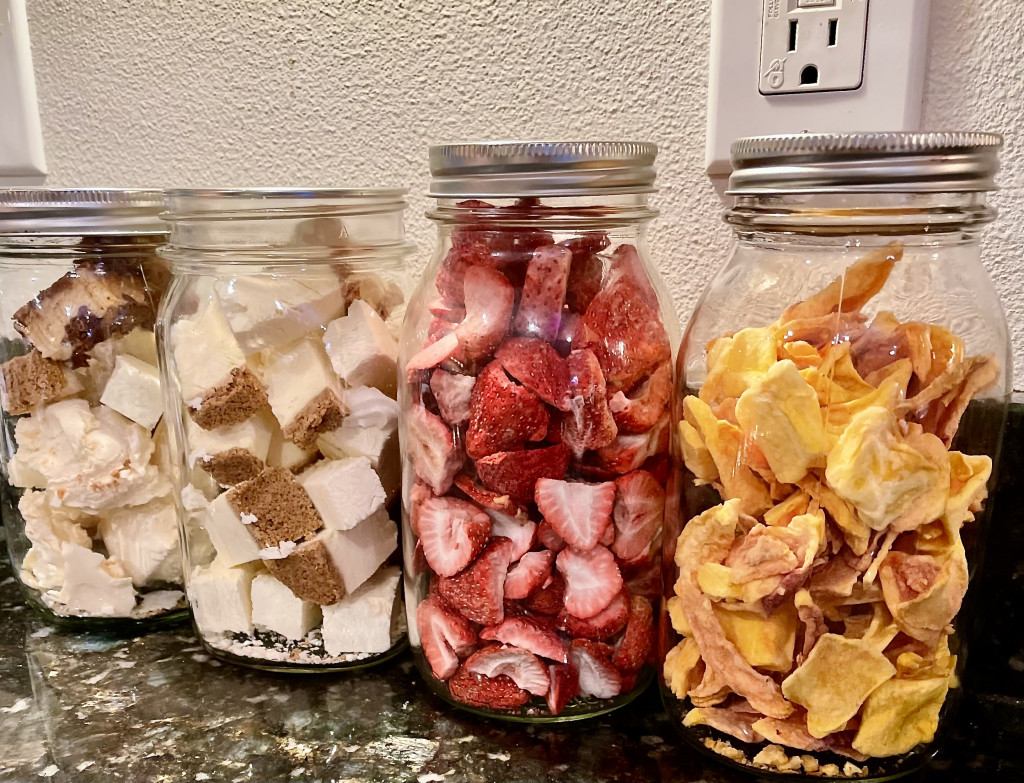
Fruits, vegetables, cooked meats, pasteurized liquid eggs or fully cooked egg dishes, dairy products, herbs, sauces and complete cooked meals are among the possibilities.
But that does not mean every food freeze dries equally well. Foods that contain very high amounts of fat or sugar can present special problems, and food-safety considerations differ depending on what you are processing.
Our guide What Is Good to Freeze Dry? takes a closer look at which foods work well and which ones require more thought.
How Long Does Freeze-Dried Food Last?
One of the major attractions of freeze drying is the possibility of long-term room-temperature storage.
But there is no responsible single shelf-life number that applies to every home freeze-dried food.
Storage life depends on the food, how completely it was dried, fat content, packaging, oxygen exposure, humidity, light and storage temperature.
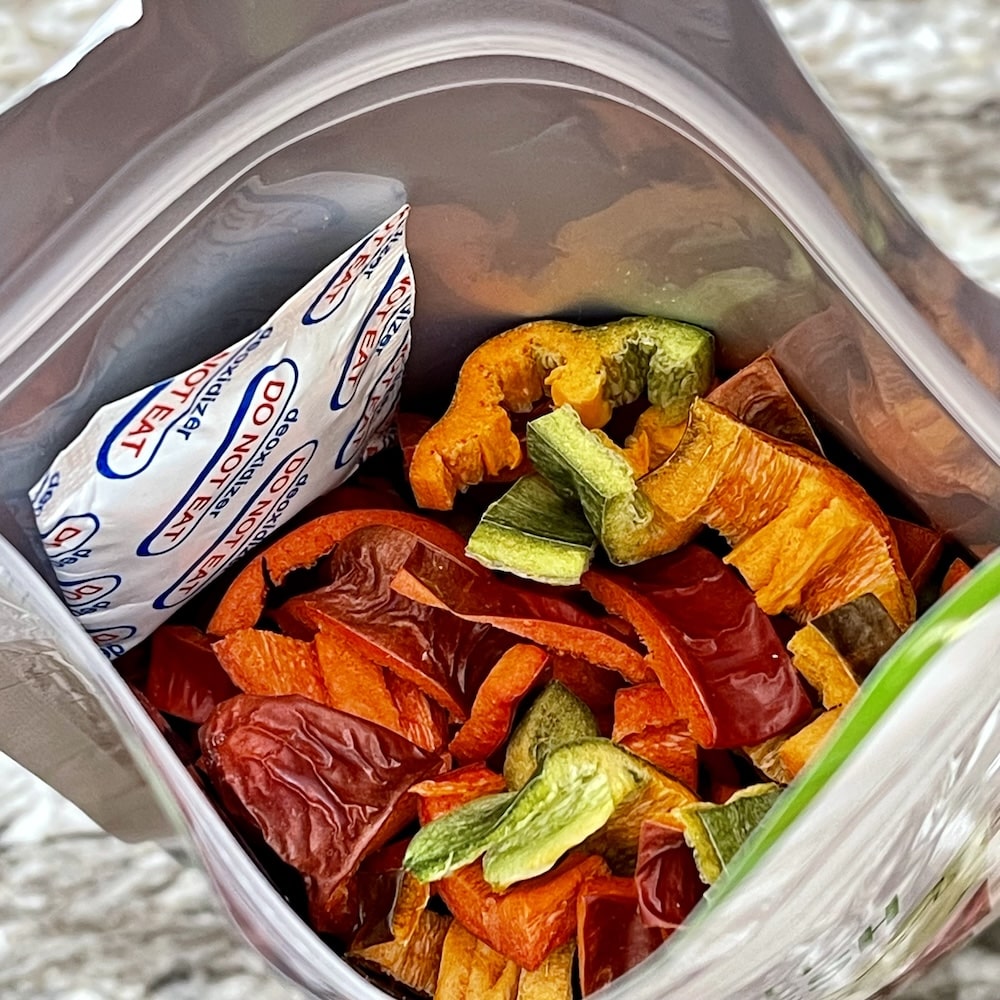
Proper packaging is therefore part of the preservation system—not an optional last step.
For detailed information about Mylar bags, oxygen absorbers, containers and storage conditions, see our guide to Freeze-Dried Food Storage.
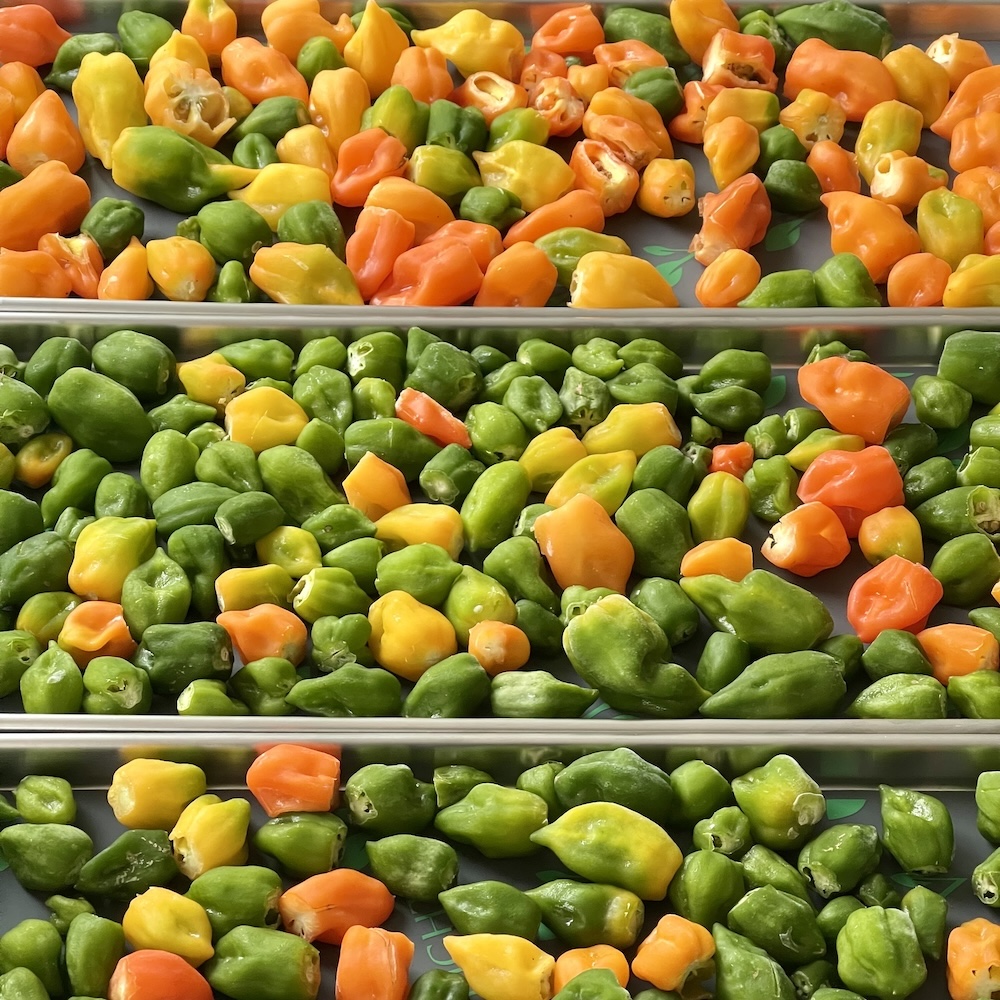
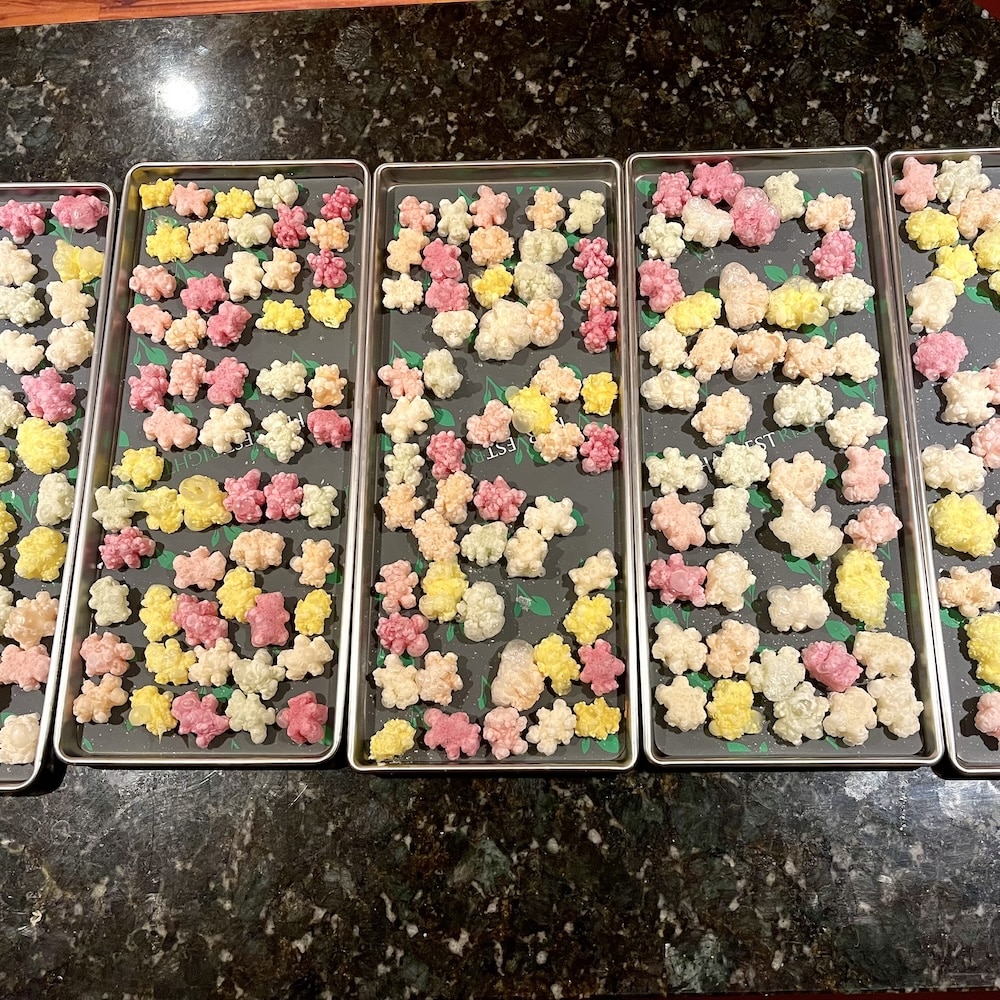
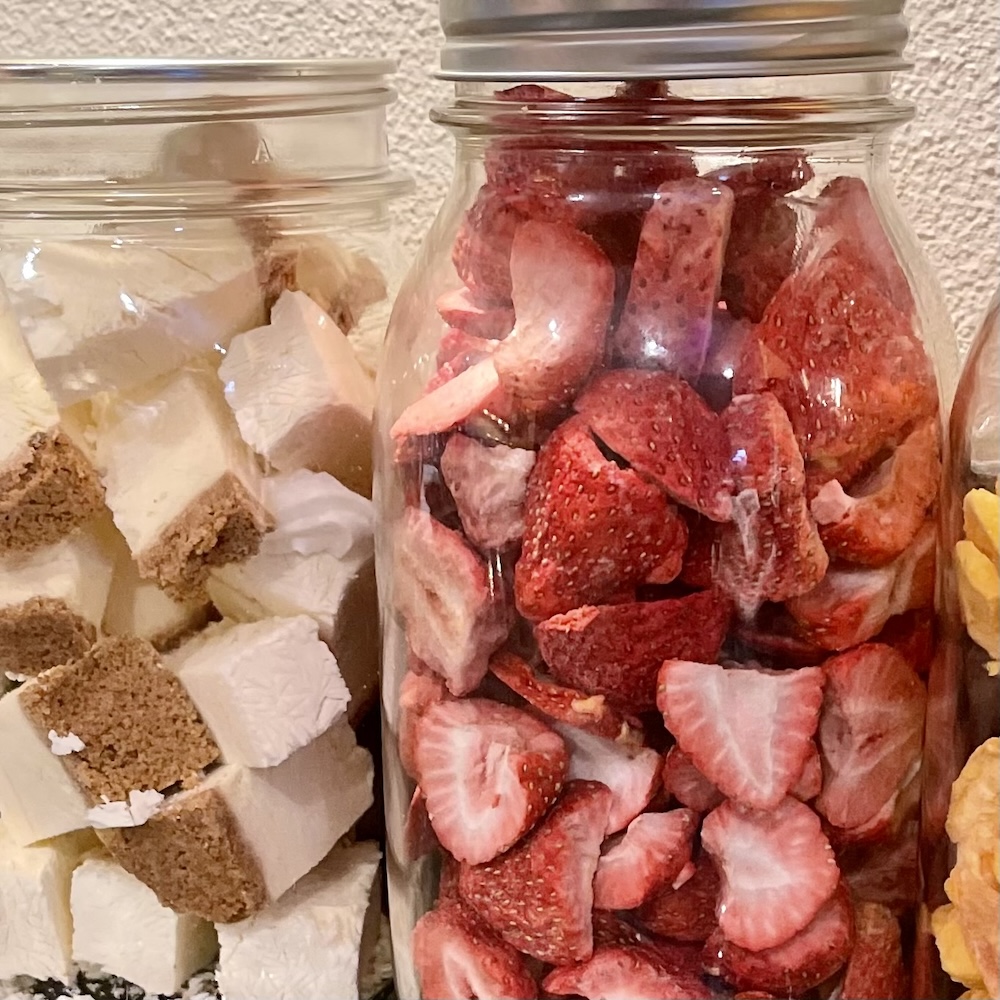
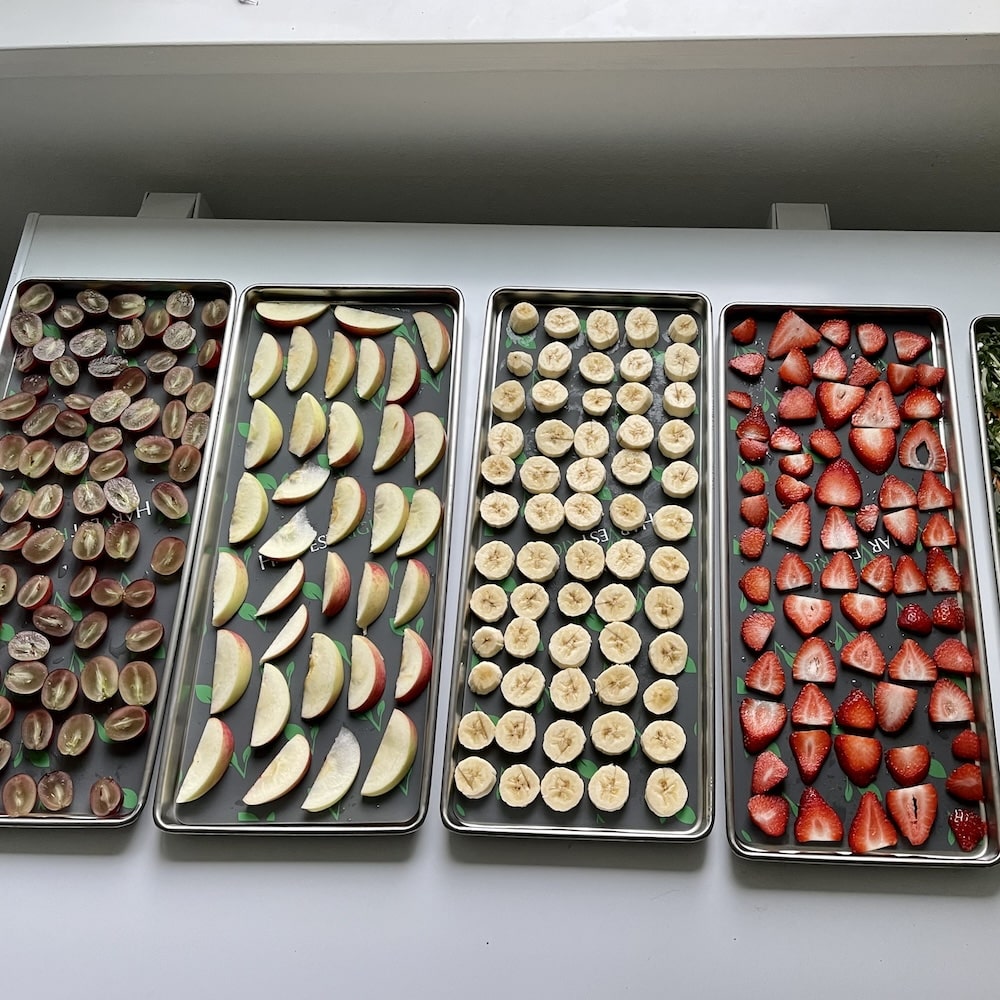
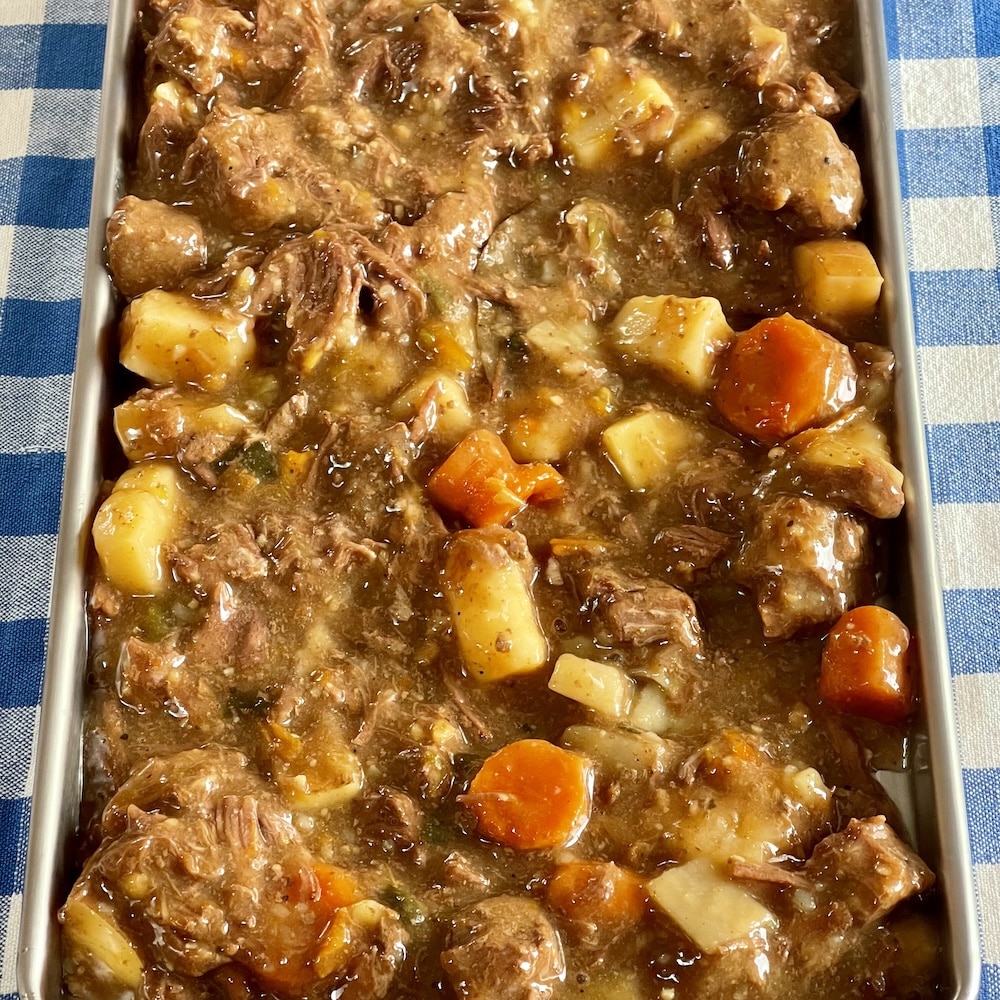
lots of foods can be freeze dried and stored or used as a short term pantry ingredient.
What the Machine Does—and What You Still Control
A home freeze dryer controls the freezing, vacuum and drying cycle, but successful food preservation still depends on the choices made outside the machine.
The home preserver chooses wholesome food, prepares and loads it evenly, prevents cross-contamination, verifies that every tray is completely dry and packages the finished food promptly. Storage conditions and the way the food is handled after rehydration also affect its safety and quality.
Understanding that division of responsibility makes the machine easier to use successfully. The freeze dryer manages the technical cycle; you determine what goes into it, confirm what comes out and protect the food during storage.
Learn More About Home Freeze Drying
Ready to explore home freeze drying further? These guides will help you decide whether it’s right for you and get started.
- Considering a Freeze Dryer for Home Use
What to consider before investing in a home freeze dryer. - Essential Home Freeze Drying Equipment
The machine, trays, packaging supplies and other equipment you’ll need. - What Is Good to Freeze Dry?
Foods that work particularly well—and foods that don’t. - Freeze Drying vs. Dehydrating
Compare two very different ways of making shelf-stable dried food. - Tips for Freeze-Dried Food Storage
How to package and protect food after the drying cycle is complete. Long and short term storage tips. - Freeze Drying Food Safety: How to Preserve Food Safely at Home
Follow Us:
We enjoy meeting you on our social networks. Follow us on Facebook, Pinterest, Instagram . Tag us with your pictures of our recipes and comment on how it went for you. We would love to see what you do with them.
We often like, comment and share your posts of our recipes on our daily Instagram stories.
Ask questions and rate the recipe in the comments section below. Please share what you did with this recipe. We are always looking for more and better ways to make homemade food. Other cooks love your ideas!
Recent Posts:
Pin it!