Welcome to our Sourdough Baking Hub.If you’re simply looking for recipes, you’ll find our complete collection on the Sourdough Bread Recipes page, and they’re also listed near the bottom of this hub.
But if you’ve ever wondered why one loaf turns out differently than another, or how experienced bakers confidently adjust recipes to fit their own goals, you’re in the right place.
Sourdough baking is both a craft and a process. Recipes provide a starting point, but any single recipe can only teach you how to make one loaf. Consistently great sourdough comes from understanding how your dough behaves and learning what different techniques and variables change along the way.
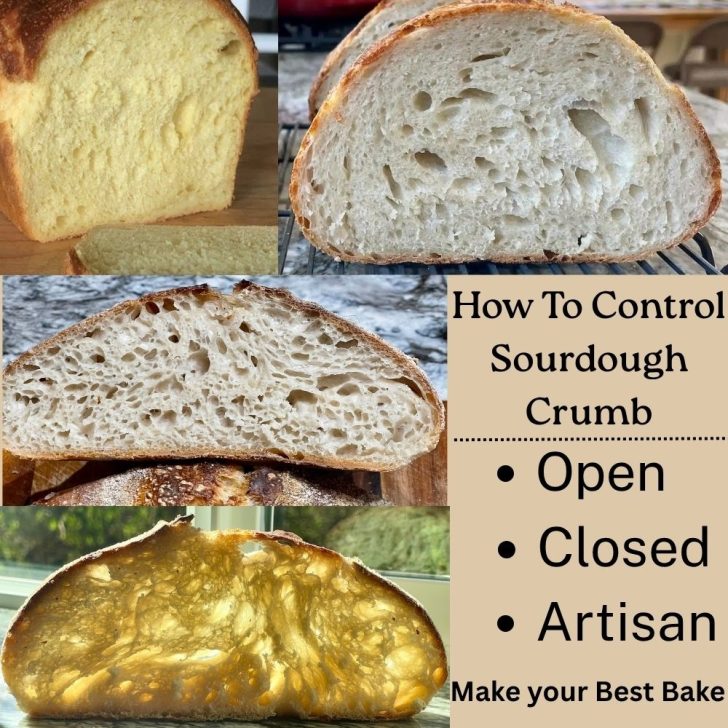
Every baker has different goals. Some want a dependable sandwich loaf they can bake every week, while others enjoy pursuing an open artisan crumb, experimenting with fresh-milled grains, or exploring new baking techniques. Your flour, starter, kitchen temperature, schedule, and baking style all influence the final result. That’s why we’ve expanded our sourdough content beyond recipes to include practical guides that help you understand the entire baking process.
The articles in this hub are designed to help you understand the key parts of sourdough baking—starter management, ingredients, dough development, fermentation, shaping, baking, and learning to read the finished loaf. As your understanding grows, you’ll naturally begin recognizing how these pieces work together and how small adjustments can create very different breads.
There’s no single path through this collection. Start with your first loaf, explore a technique that sparks your curiosity, solve a problem you’re having, or simply browse to learn something new. Bake the breads you enjoy, come back when new questions arise, and build your understanding one loaf at a time.
Below you’ll find the guides organized by topic, making it easy to explore whichever part of sourdough baking interests you most. However you found your way here, welcome—we’re glad you’re here, and we hope these guides help you bake with more confidence and enjoy the journey as much as the bread.
No matter where you are in your sourdough journey, we hope you’ll find something here that helps you understand your dough a little better and enjoy baking it a little more.
New to Sourdough? Start Here-Learn the Sourdough Basics
“If you’ve never baked sourdough before, these guides will help you build a solid foundation and bake your first successful loaf.”
Understand Your Dough
“Once you’ve baked a few loaves, you’ll naturally begin asking why dough behaves the way it does. These guides explain the building blocks behind every successful bake.”
These guides bring together techniques developed and refined by experienced home and professional bakers, while explaining not only what to do, but why each step matters. Whether you’re baking your first loaf or refining your technique, you’ll find step-by-step guidance that explains not only what to do, but why each step matters.
INGREDIENTS- Every ingredient you choose influences how your dough behaves. These guides explain how flour, salt, hydration, and accurate measurements affect dough strength, fermentation, flavor, and the finished loaf.
Dough Development: Building Strength Before Fermentation
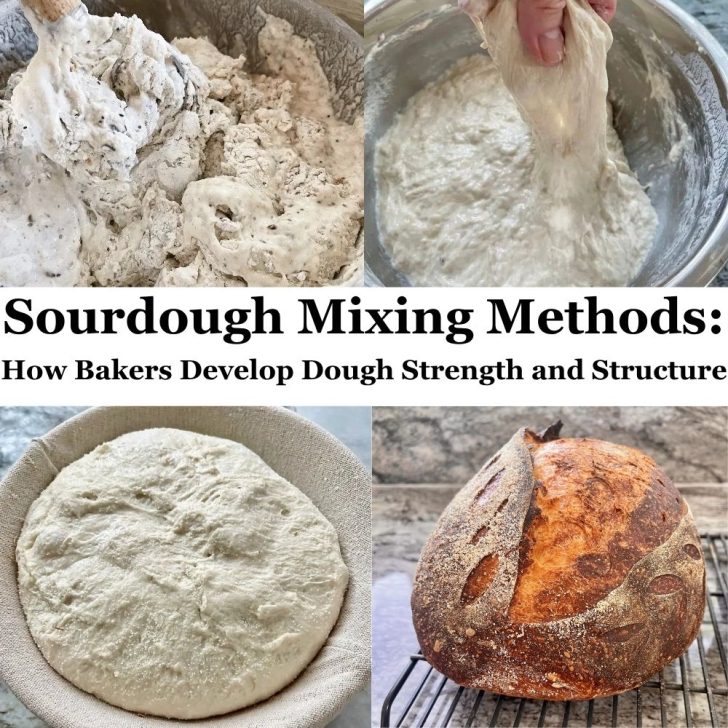
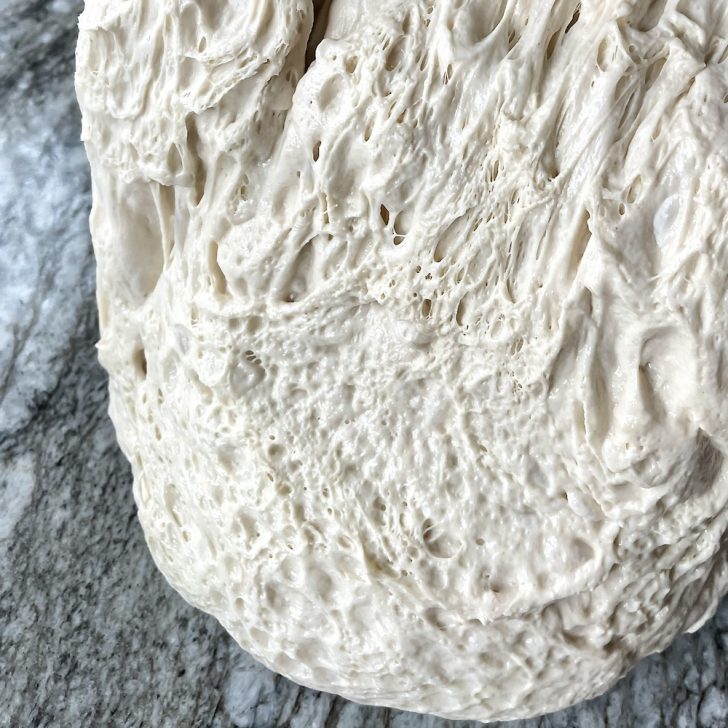
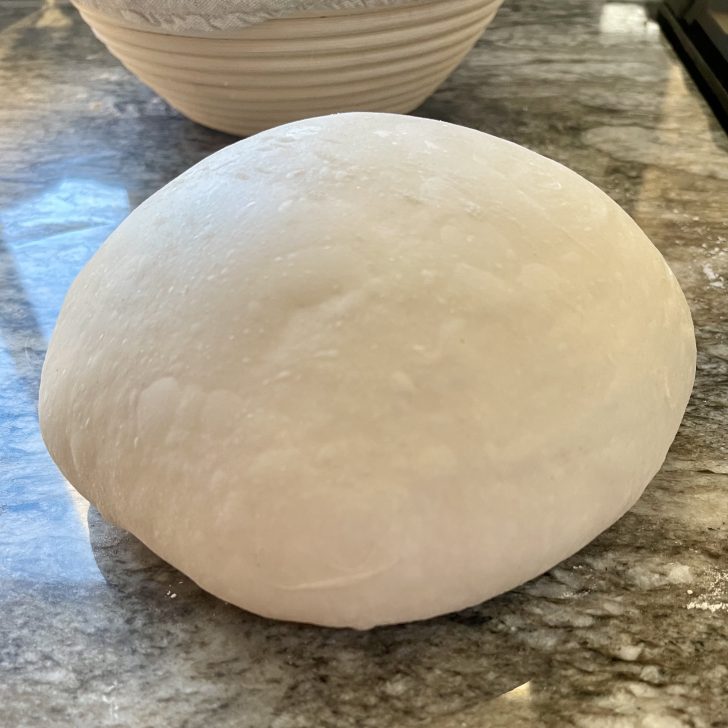
Before your dough can rise into a beautiful loaf, it needs a strong, flexible gluten structure capable of trapping the gas produced during fermentation. Bakers often refer to this as dough development.
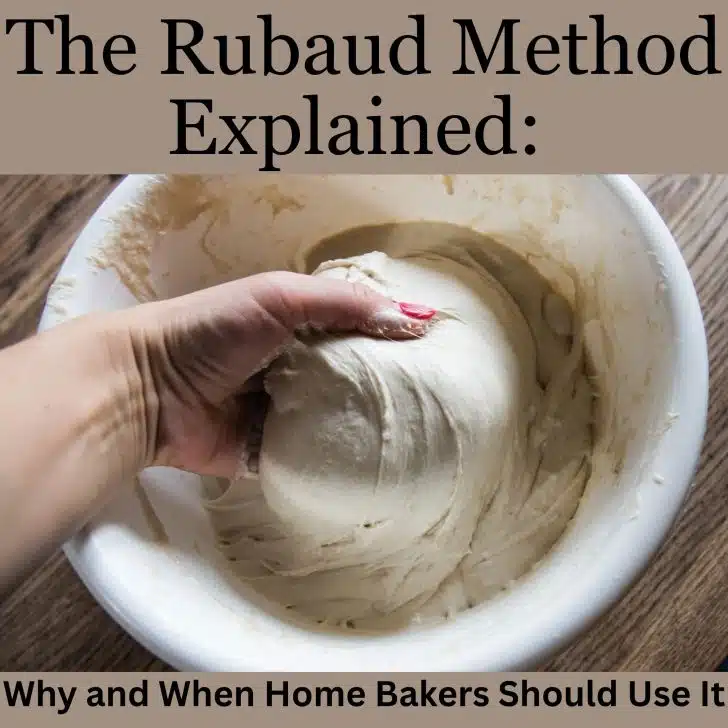
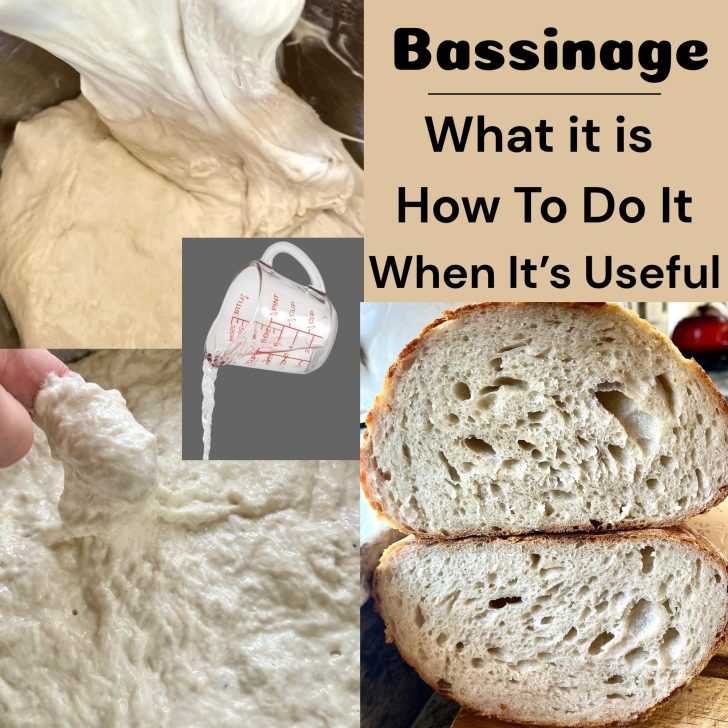
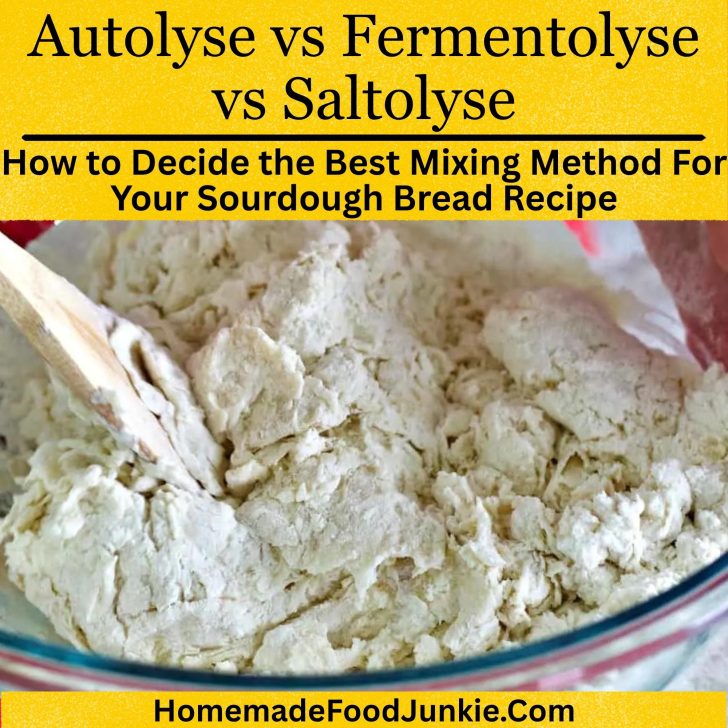
A well-developed dough has enough strength to hold its shape and enough extensibility to expand without tearing as it ferments and bakes. Finding the right balance between these qualities is one of the most important skills in sourdough baking. Dough development doesn’t happen through mixing alone. Bakers build gluten structure by combining three complementary processes: mixing, resting, and folding. Each influences dough strength and extensibility in different ways, and together they determine how your dough develops throughout bulk fermentation.
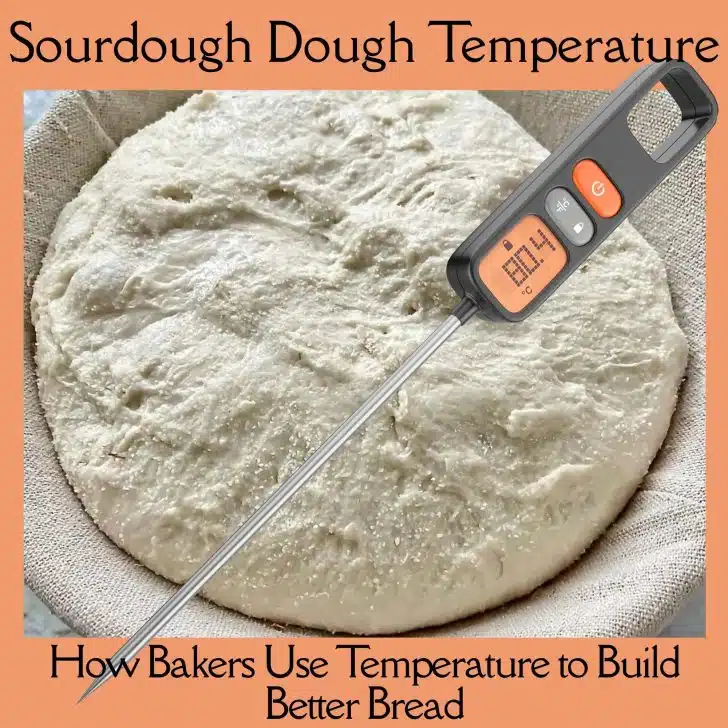
The guides below explore the different ways bakers build dough structure. You’ll learn how mixing methods, resting techniques, folds, hydration, and dough temperature each influence gluten development. None of these methods is the “right” way to make sourdough. Instead, each is another tool that changes how the dough behaves and the type of bread you can create.
As you experiment, you’ll begin to recognize how stronger or more extensible dough feels in your hands and how those early decisions influence fermentation, shaping, oven spring, and the finished crumb. This will give you a big leg up in making the kind of sourdough bread you want.
Fermentation Process: Developing Flavor, Structure, and Timing
Fermentation is where your dough comes alive. As your starter feeds on the flour, it produces the gas, acids, and flavor compounds that transform a simple mixture of flour and water into sourdough bread.
Learning to control fermentation is one of the biggest steps toward baking consistently great bread. The timing, temperature, and location of fermentation all influence dough strength, oven spring, crumb structure, and flavor.
These guides explain how bulk fermentation, cold bulk, cold proof, and final proof each affect your dough. Rather than asking which method is “best,” you’ll learn what each one changes, when it may be useful, and how to recognize when your dough is ready for the next step.
FERMENTATION GUIDES:
Finishing: Preparing Your Dough for the Oven and Baking:
The final stages of sourdough baking determine how your loaf expands in the oven and develops its finished appearance, crust, and texture.
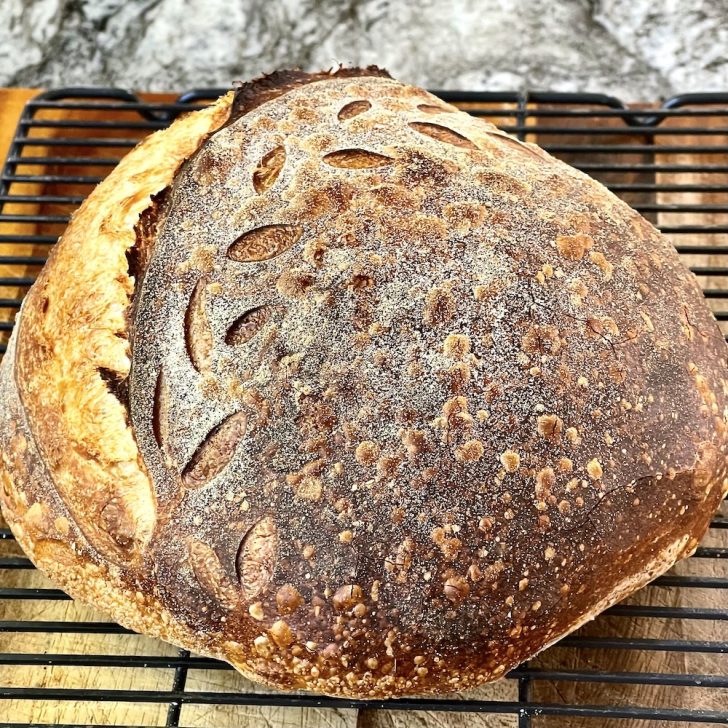
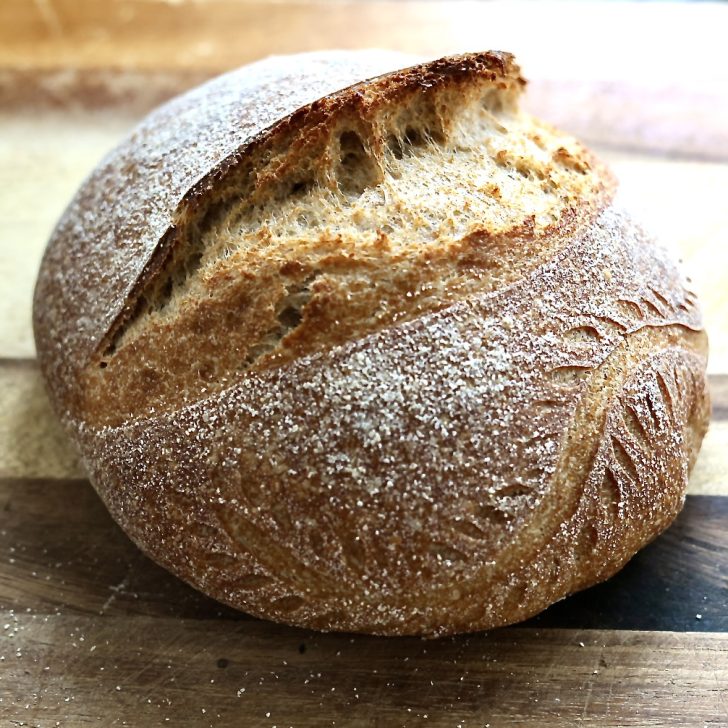
Shaping creates surface tension that supports oven spring. Scoring directs where the loaf expands, and to a large degree, determines your loaf ear shape. Steam keeps the crust flexible during the first part of the bake, allowing your bread to rise before the crust sets. Together, these finishing techniques help transform a well-fermented dough into a beautiful loaf.
These guides explain not only how to use each technique, but why they work and what changes you can expect in the finished bread.
FINISHING:
Learn to Read Your Bread
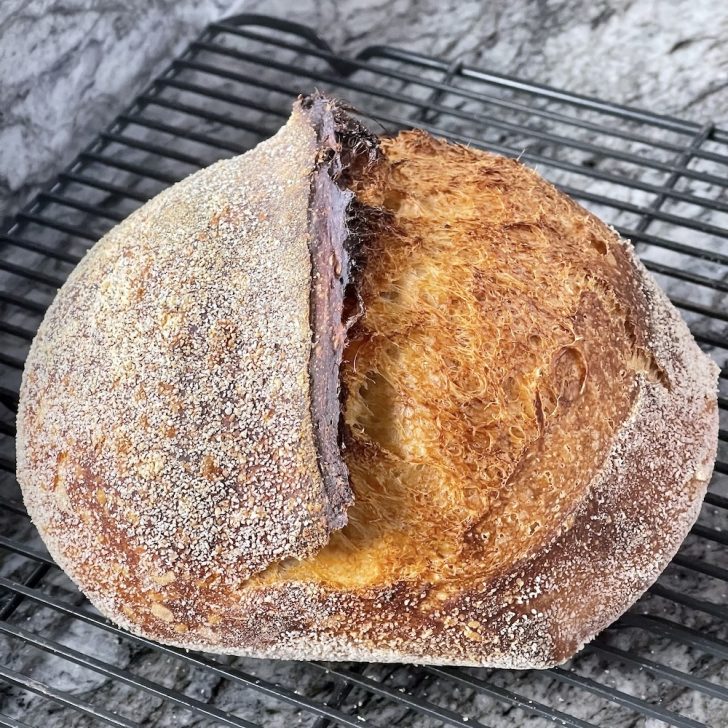
Every loaf tells the story of the decisions you made during mixing, fermentation, shaping, and baking. Learning to recognize those clues is one of the fastest ways to become a better baker.
Instead of simply asking whether a loaf is “good” or “bad,” these guides teach you how to evaluate dough structure, crumb structure, and crust development. Once you understand what your bread is telling you, you’ll know which parts of your process to adjust on the next bake.
This is where baking becomes less about following recipes and more about understanding the process. Every loaf—even the imperfect ones—becomes an opportunity to learn.
EVALUATION
Once you understand the process, explore different flavor variations built on the same core method:
Each recipe builds on the same fermentation and structure principles to help you bake consistently successful loaves. More recipes in our archive and on our sourdough bread recipes page.
Use your extra starter in simple, reliable recipes: More Sourdough Discard Recipes On our Sourdough Discard Recipes Page
Using discard is a simple way to get more value from your starter while reducing waste.
Keep Learning
One of the most rewarding parts of sourdough baking is that there’s always something new to discover.
As your experience grows, you’ll notice that experienced bakers rarely follow a recipe exactly. Sometimes they adjust a formula to create a specific style of bread. Other times they’re simply responding to changes in their flour, starter, kitchen temperature, or schedule. Small adjustments to hydration, dough development, fermentation, shaping, or baking can dramatically change the finished loaf.
Learning what to adjust—and why—is what this sourdough hub is all about.
We’ll continue adding new guides as we explore more techniques, ingredients, and baking methods. We don’t see these as rules to follow, but as tools you can add to your own baking. Every technique you understand gives you another way to solve a problem, experiment with an idea, or create the kind of bread you enjoy most.
This hub began because of the thoughtful questions readers asked on our Beginner Artisan Sourdough Bread tutorial. Those conversations continue to shape the articles we write, and we’ll keep expanding this collection as new questions and new discoveries arise.
Whether you bake the same dependable loaf every week or enjoy experimenting with every new technique you find, we hope you’ll continue exploring with us. The journey from following recipes to confidently creating your own bread doesn’t happen in a single bake. It happens one loaf, one question, and one discovery at a time.
If you ever have a question or run into a problem, leave us a comment on any of the sourdough posts. We genuinely enjoy talking bread, and we’ll do our best to help you understand what your dough is telling you and where to go next.
Enjoy the Journey and Happy baking!