
Considering A Freeze Dryer for Home Use? Is It Worth the Investment?
As an Amazon Associate and member of other affiliate programs we earn a small commission from qualifying purchases through our affiliate link. For more information read our Entire Affiliate Disclosure.
A home freeze dryer is a significant purchase. Before spending several thousand dollars on one, it makes sense to evaluate these machines on more than whether freeze drying is a good method of food preservation.
The better question is:
Does a freeze dryer make sense as part of the way your household buys, grows, cooks, preserves and stores food?
I’ve used a home freeze dryer for several years alongside freezers and other food-preservation methods. What I’ve learned is that I don’t need one preservation method to do everything. The real value comes from having choices.
A freeze dryer gives me another place to send food when the freezer is full, the garden is producing, we have useful leftovers, or I want to preserve a food in a form that takes less storage space and doesn’t require continuous long term freezer space.
That flexibility has become one of its greatest values in our household.
But that doesn’t mean purchasing a freeze dryer for home use is a good choice for everyone.
Let’s look at a home freeze dryer as we would any other major household purchase: What does it cost, what problems does it solve, what alternatives do you already have, and how much value will your household actually get from owning one?

Start With Your Household Food-Management System
Before comparing freeze dryer brands or prices, look at how you currently manage food.
What do you grow or buy in quantity? What do you preserve? How much freezer and pantry space do you have? Which preservation methods do you already use? Where are the bottlenecks?
A household that buys most of its food as needed and preserves very little has a very different reason for considering a freeze dryer than a household that gardens, hunts, buys meat in bulk or routinely puts food by.
Our own system has changed over the years.
We don’t grow the enormous gardens we once did, but we still preserve garden produce, cook from scratch and buy some foods in quantity. I also use the freeze dryer for leftovers, powders, meal components and complete meals.
That means the freeze dryer still has a useful place in our food system even though our household and garden are smaller than they once were.
Start with the food you actually have—not the food you imagine you might preserve after buying the machine.
What Problem Would a Freeze Dryer Solve for You?
This is probably the most important question to answer before you buy one.
Perhaps you:
- Regularly run out of freezer space.
- Grow more produce than you can conveniently use during harvest.
- Buy meat or other foods economically in bulk.
- Hunt or fish.
- Want to preserve complete meals and leftovers.
- Make lightweight meals for camping, hiking or travel.
- Want to reduce some of your dependence on long-term freezer storage.
- Need another way to manage seasonal surpluses.
- Want to turn foods into shelf-stable powders or ingredients.
- Buy commercially freeze-dried foods you could make yourself.
The more real uses you can identify, the easier it becomes to judge whether the machine is worth its cost.
If you’re struggling to think of foods you would regularly put through it, that’s useful information too. If you aren’t sure what types of foods work well, read our guide to What Is Good to Freeze Dry?
Think About Your Total Food-Storage Capacity
One of the biggest changes a freeze dryer made for me was in how I think about storage capacity.
Freezer space is valuable.
For example, I’m getting half of a grass-fed beef soon. That beef is an excellent use of our chest freezer.
In years when the garden was producing heavily, freezer space could become extremely tight. Garden produce, meat and prepared foods were all competing for the same limited freezer storage.
A freeze dryer gives me another option.
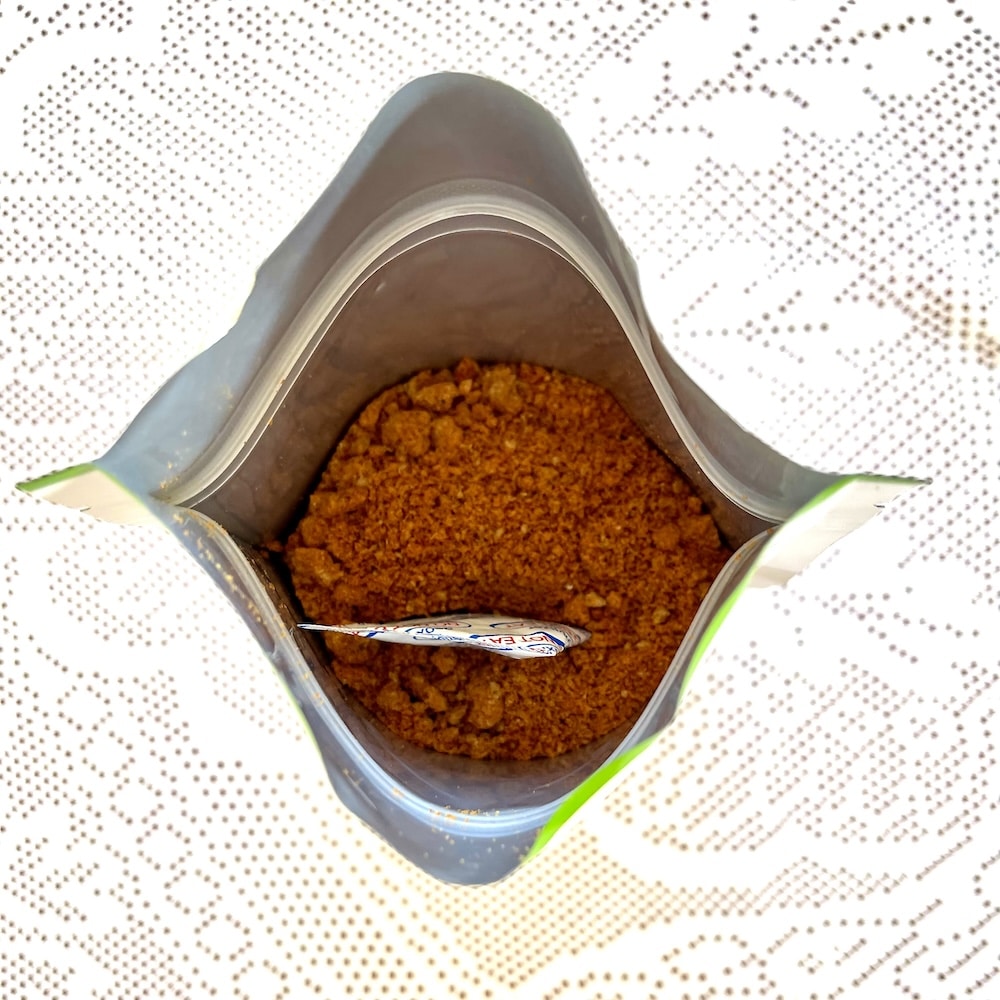
Garden produce doesn’t necessarily need to occupy freezer space for months or years. Some of it can be freeze dried and moved into pantry storage.
Food can also move through the system over time.
I can keep meat frozen when that’s the most useful form for it. Later, I can thaw some of that meat, cook it into stew, meat sauce or another meal, freeze dry it and move the finished food into shelf storage.
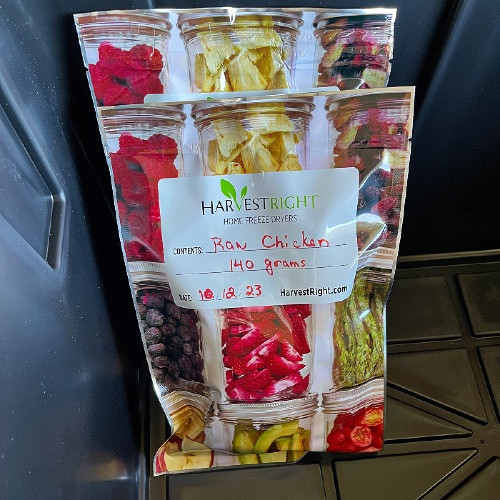
I’ve also successfully freeze dried raw meat. Raw freeze-dried foods require appropriate food-safety handling, so anyone considering that use should read our Freeze Drying Food Safety and Freeze Drying Beef guides before doing it.
The point isn’t that a freeze dryer replaces a freezer.
In our household, the freeze dryer makes our freezer more useful.
It allows me to reserve valuable frozen storage for foods that benefit most from being there while moving other appropriate foods into a different preservation system.
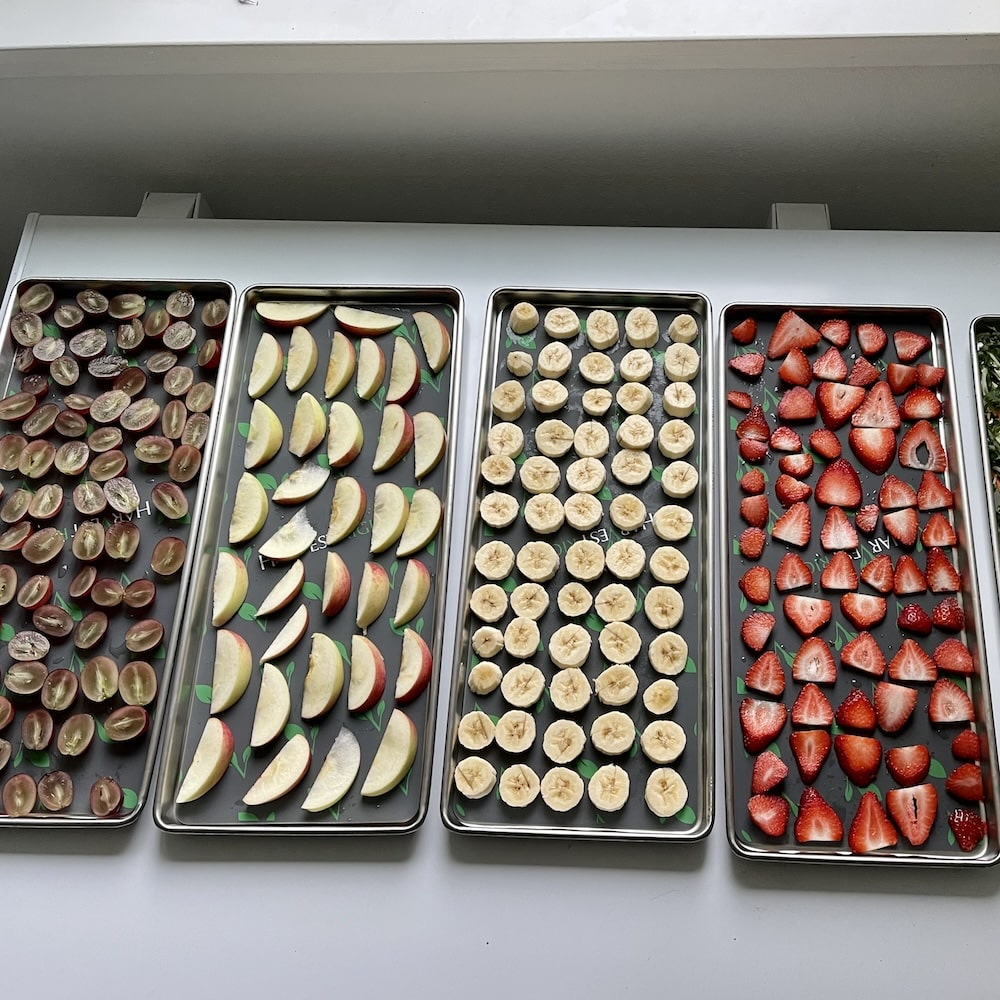
My chest freezer also works with the freeze dryer as part of the processing system. I can pre-freeze food on trays, then move those trays directly into the freeze dryer. This can make large preservation jobs easier to manage.
Freezers and freeze dryers can work very well together as parts of the same household food-management system.
That flexibility has value.
Consider the Opportunity Cost of Your Storage Space
Suppose your freezer is full of garden produce when you have an opportunity to purchase a half beef at a favorable bulk price.
The cost of keeping those vegetables frozen isn’t just the electricity the freezer consumes.
That produce is also occupying space that could have been used for something else.
If I have to put a value on that space, the meat goes in the freezer. The produce can go into a canner, dehydrator or freeze dryer.
This is why comparing preservation methods strictly by processing cost can be misleading.
A freezer, freeze dryer, dehydrator and canning equipment aren’t necessarily competitors. They can work together.
The question is whether adding another preservation method gives you enough additional flexibility to justify its cost.
Read our complete guide on Long and short term freeze drying storage.
Home-Preserved Food Isn’t Free
This is another consideration that’s easy to overlook.
Garden produce has value before it ever reaches the kitchen.
Seeds and plants cost money. So do soil amendments, irrigation, equipment and garden infrastructure. Growing and harvesting food also requires time.
Then preservation adds another layer of cost.
- Freezing requires an appliance, packaging, space and continuing electricity.
- Canning requires jars, lids, equipment, energy and considerable hands-on time.
- Dehydrating requires equipment and processing energy, although it is relatively inexpensive and extremely useful for appropriate foods.
- Freeze drying requires an expensive machine, electricity during processing, packaging and maintenance.
None of these methods is truly free.
So when deciding whether to buy a freeze dryer, don’t compare its cost against an imaginary zero-cost alternative. Compare it with the food-management and preservation system you’re already paying for.
Remember, harvest time is busy and requires produce to be processed when it is ready. This can make a freeze dryer for home use a really valuable addition to your home preservation work flow.
What Does Freeze Dryer For Home Use Really Cost?
The advertised price of the machine is only the beginning.
Before buying, consider the complete cost of getting the machine into operation and keeping it useful.
| Cost to Consider | What to Evaluate |
|---|---|
| Freeze dryer | Machine size, capacity, pump, included trays, warranty and expected useful life |
| Shipping or delivery | Freight, lift-gate service or other delivery charges if applicable |
| Electrical setup | Whether the model works with your existing electrical service or requires changes |
| Installation space | A sturdy table, cart, ventilation, drainage and permanent operating space |
| Electricity | Your local rate, average batch duration and how frequently you expect to run the machine |
| Packaging | Mylar bags, jars or other suitable containers |
| Oxygen absorbers | An ongoing expense for foods and storage situations where they are appropriate |
| Sealing equipment | Heat sealer, jar sealer or other packaging equipment you intend to use |
| Maintenance | Pump oil, filters, seals or other manufacturer-specified maintenance |
| Repairs | Warranty coverage, technical support, parts availability and potential out-of-warranty repairs |
| Accessories | Extra trays, liners, lids, dividers and other optional equipment |
| Finished-food storage | Pantry shelves, bins or another cool, dry storage system |
| Your time | Food preparation, loading, checking dryness, packaging, cleaning and maintenance |
Some of those expenses are one-time costs. Others continue for as long as you use the machine.
That’s why comparing two freeze dryers solely by purchase price doesn’t tell you which one will ultimately cost less to own. Read our guide on Essentail Freeze Drying Equipment.
Spread the Purchase Cost Over Its Actual Use
A large upfront price can look very different depending on how much the equipment is used.
A freeze dryer that runs frequently for many years has a very different cost per batch than an equally expensive machine that is used ten times and then sits idle.
You can make a rough estimate:
Initial freeze-drying investment ÷ expected lifetime batches = approximate equipment cost per batch
Then add the ongoing expenses of electricity, packaging and maintenance.
This isn’t a perfect calculation, and it doesn’t measure the value of the food itself. But it forces you to think realistically about utilization.
If you expect to run only a handful of batches each year, ownership may be difficult to justify financially.
If the machine solves recurring preservation and storage problems throughout the year, the calculation looks very different.
What Value Does a Freeze Dryer Add?
Cost is only one side of the decision.
Now ask what owning the machine allows your household to do.
A freeze dryer may help you:
- Preserve food that might otherwise be wasted.
- Free valuable freezer capacity.
- Preserve foods without continuous electricity during storage.
- Take advantage of seasonal harvests or bulk purchases.
- Convert leftovers into future meals.
- Make specialty foods that are expensive to purchase commercially.
- Produce lightweight meals.
- Store some foods in considerably less space.
- Create powders and ingredients that are useful in everyday cooking.
- Preserve foods in forms your household prefers and will actually eat.
Not all of these benefits have an easy dollar value. That doesn’t make them worthless.
Food quality also belongs in this calculation.
Preservation isn’t successful simply because food remains technically edible. Will your household actually use it?
Flavor, texture, convenience and nutritional quality matter because they affect whether preserved food ultimately gets eaten.
Freeze drying can preserve many foods with excellent flavor and good nutritional quality, although results vary by food, processing conditions and storage.
I don’t assign one universal nutrient-retention percentage to freeze-dried food. There are too many variables involved.
A cheap preservation method that produces food nobody wants to eat isn’t necessarily economical. Likewise, an expensive method may provide considerable household value if it produces useful foods that reduce waste, replace expensive purchases or make the entire food-storage system work better.
Compare a Freeze Dryer With the Alternatives You Actually Have
Don’t ask whether freeze drying is universally better than freezing, canning or dehydrating.
Ask which method best fits each food and your intended use for it.
Compare a Freeze Dryer With the Alternatives You Already Have
Don’t ask whether freeze drying is universally better than freezing, canning or dehydrating. Each method has different strengths, costs and storage requirements.
Freeze drying: High equipment cost and moderate hands-on work, but finished foods require no continuing electricity for storage. It works with a broad range of foods and can produce lightweight, compact foods that may be eaten dry or rehydrated.
Freezing: Moderate equipment cost and relatively little processing work. Freezers handle an enormous range of foods well, but they require dedicated space and continuous electricity for as long as the food remains frozen.
Canning: Relatively low equipment cost once you have the basic setup, and properly canned foods require no electricity during storage. Canning can be labor intensive, requires sturdy storage space for jars, and safe tested processes must be followed for the food being preserved.
Dehydrating: Relatively inexpensive equipment, modest energy use and no continuing electricity for storage. It’s an excellent preservation method for suitable foods, although the finished texture and uses differ from both freeze-dried and frozen foods. Read our post on Freeze Drying vs. Dehydrating for more on this.
I use more than one of these methods each Harvest season because each solves a different problem. The value of a freeze dryer comes partly from adding another option—not from eliminating all the others.
Could a Freeze Dryer Reduce Your Long-Term Freezer Needs?
For some households, this is worth considering.
Freezers have an upfront purchase cost and require electricity for as long as the food remains frozen. They also occupy floor space, eventually require replacement and can fail—putting the food stored inside at risk.
Freeze drying also consumes electricity, but primarily during processing. Once suitable food is properly freeze dried, packaged and stored, it doesn’t need continuous refrigeration.
That doesn’t automatically make freeze drying cheaper than freezing.
But if adding a freeze dryer means you can avoid purchasing another freezer, retire an older one, make better use of the freezer you already own, or move some long-term inventory into pantry storage, those benefits belong in your calculation.

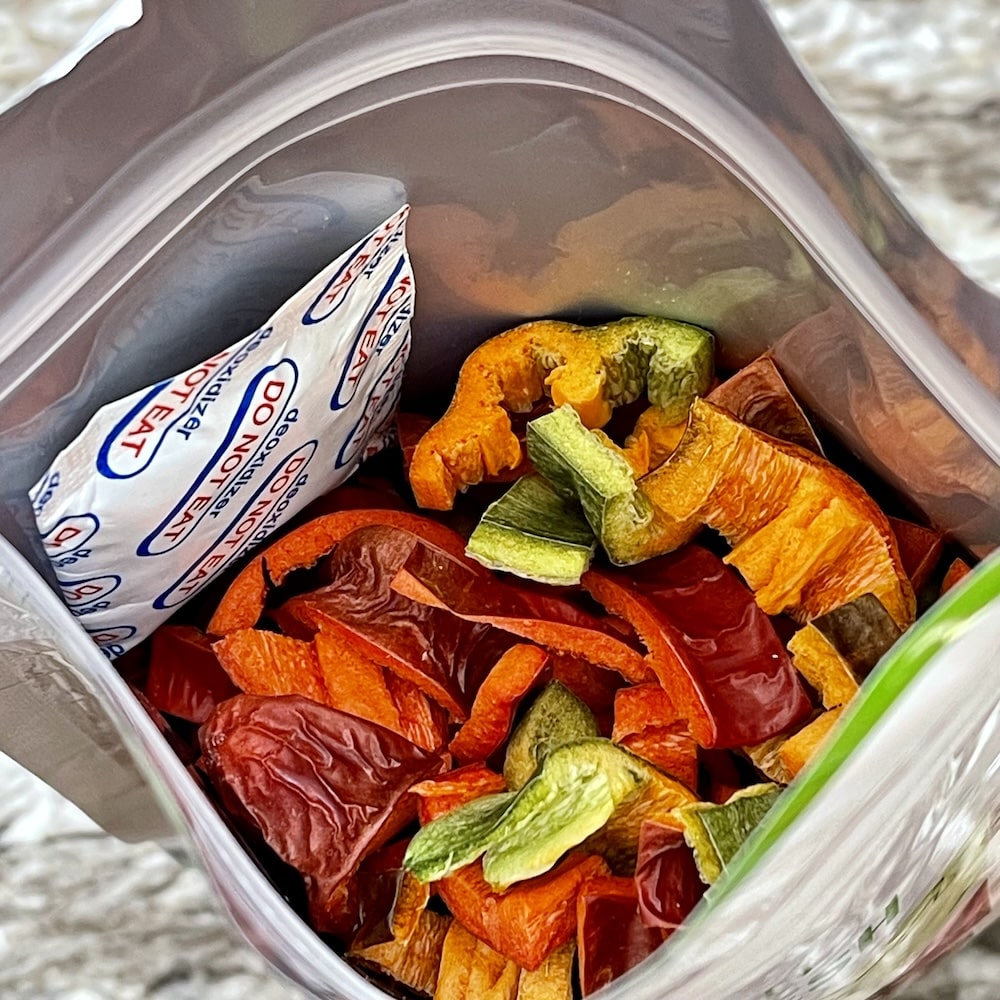
A freeze dryer for home use can save freezer space, storage space long term and provide whole meals for the family at home and on the trail. Learn how to make Homemade Freeze Dried MREs.
Can a Freeze Dryer Pay for Itself?
Maybe. But the return isn’t always measured only in dollars.
There is no universal break-even point because households aren’t preserving the same foods for the same reasons.
Someone making expensive backpacking meals may calculate savings differently from a gardener preserving tomatoes.
A hunter will use the machine differently from a household primarily interested in leftovers.
A family buying meat and produce in bulk has different storage economics from someone shopping several times a week.
Instead of asking only whether the freeze dryer will “pay for itself,” ask:
What does my current preservation system cost, and what additional value would this machine add to it?
That gives you a much more realistic answer.
Do You Actually Need to Own One?
Not necessarily.
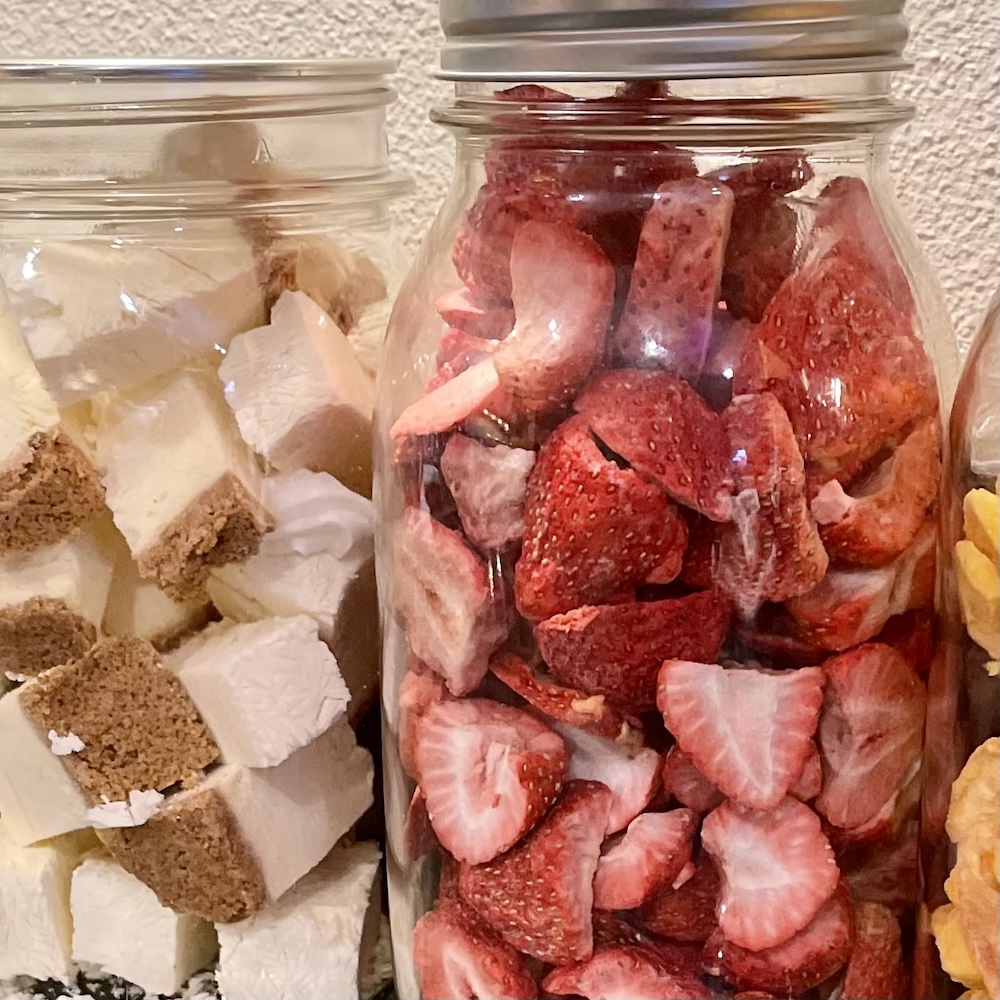
If you only want occasional freeze-dried fruit or emergency meals, buying those products may make more sense.
If you already preserve most of your food successfully with a freezer, dehydrator and canning equipment, adding another expensive appliance may provide little additional value.
Shared access may also be worth exploring.
An extended family, organized food-preservation group, farm cooperative, Grange or community kitchen may be able to make better use of one machine than several households that would each use their own only occasionally.
Shared equipment does introduce practical questions:
- Who owns the machine?
- Where is it located?
- Who schedules its use?
- Who pays for electricity and maintenance?
- Who is responsible for cleaning?
- Who pays when something breaks?
- What food-safety procedures must users follow?
A casual arrangement may become frustrating. A well-organized shared system could potentially make an expensive piece of equipment accessible to people who couldn’t justify individual ownership.
Your local Cooperative Extension office may also know about food-preservation programs, community kitchens or other local resources worth investigating. USDA’s National Institute of Food and Agriculture provides a directory of the nation’s land-grant universities, which administer Cooperative Extension programs around the country.
A Simple Freeze Dryer Buying Test
Before you purchase a freeze dryer, sit down and answer these questions:
- What foods would I realistically freeze dry during the next 12 months?
- How many batches would that require?
- What preservation methods would I otherwise use for those foods?
- Where are the current bottlenecks in my freezer, pantry or preservation workload?
- Would a freeze dryer allow me to make better use of bulk purchases, garden harvests or leftovers?
- What will the complete system cost—not just the machine?
- Do I have an appropriate permanent place to operate it?
- Will I actually use the finished food?
- Could another preservation method solve the same problem for considerably less money?
- Could I get the benefits through shared access rather than ownership?
Your answers should tell you considerably more than a list of freeze dryer features.
So, Is a Home Freeze Dryer Worth It?
For me, yes.
But not because a freeze dryer replaced everything else in my food-preservation system.
It didn’t.
I still use a freezer. In fact, I’m preparing to put half of a grass-fed beef into my chest freezer because frozen storage makes sense for that food and the way we intend to use it.
I also use other preservation methods when they are the better choice.
The freeze dryer earned its place because it gives me more flexibility in managing the entire system.
I can move suitable garden produce out of valuable freezer space. I can preserve leftovers rather than waste them. I can turn foods into powders and useful ingredients. I can make complete shelf-stable meals. And when appropriate, I can move foods from frozen storage through my kitchen and freeze dryer into pantry storage.
That makes the freezer, pantry, garden and kitchen work together more effectively.
Your calculation may be completely different.
A home freeze dryer is a large investment. Its value depends on what you preserve, how often you use it, what other preservation equipment you already own, what storage problems you’re trying to solve and how much your household values the foods it produces.
Don’t decide whether a freeze dryer is worth the money in isolation. Decide whether it earns a useful place in your household’s total food-management system.
If you’re still researching the process, our Home Freeze Drying guides explain how freeze drying works, food-safety considerations, suitable foods, equipment, packaging and long-term storage in much greater detail.
- Freeze Drying Food Safety: How to Preserve Food Safely at Home
- Freeze Dried Food Storage Tips for Short and Long Term Storage
- How Does Freeze Drying Work?

Follow Us:
We enjoy meeting you on our social networks. Follow us on Facebook, Pinterest, Instagram . Tag us with your pictures of our recipes and comment on how it went for you. We would love to see what you do with them.
We often like, comment and share your posts of our recipes on our daily Instagram stories.
Ask questions and rate the recipe in the comments section below. Please share what you did with this recipe. We are always looking for more and better ways to make homemade food. Other cooks love your ideas!
Recent Posts:
I noticed that Blue Alpine is spelled “Blue Apline.” Just thought I’d say something. Love the article!
Hi Steve, Thanks for the correction. I’ll see to it. Glad you found the article itself helpful. Have a wonderful day!