
Thanksgiving Turkey Timeline: When to Thaw, Prep, and Roast Your Turkey
As an Amazon Associate and member of other affiliate programs we earn a small commission from qualifying purchases through our affiliate link. For more information read our Entire Affiliate Disclosure.
Planning the turkey backward from dinner time makes Thanksgiving day easier. Putting on a Thanksgiving feast is a lot of work and requires planning to pull it off without problems.
The key is to allow enough time for the turkey to thaw safely, then give yourself a buffer for roasting and resting. I found this out the hard way. Thawing and cooking up a large bird can really cause problems when you don’t think it out and make a plan. A half thawed turkey on Thanksgiving morning is going to take forever to cook. And if you stuff it? Forget about it getting done in time.
Timeline is extremely important when planning a Thanksgiving turkey dinner. Especially if you buy a frozen turkey. Use this timeline to plan your turkey, then adjust the roasting schedule to match your dinner time.
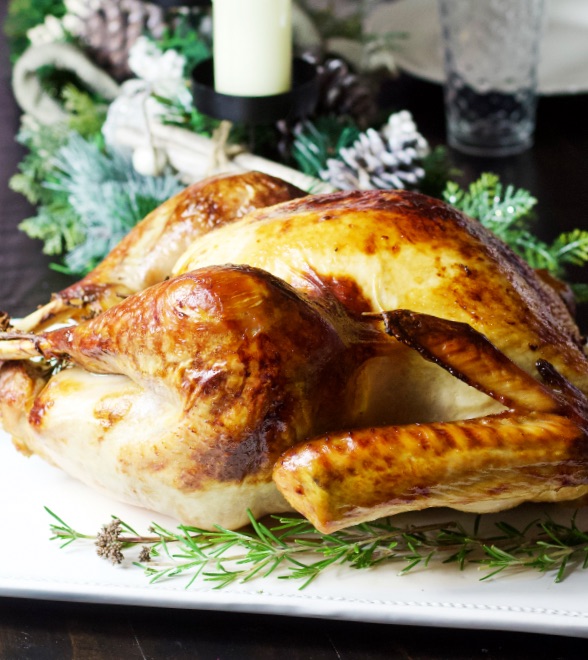
Before choosing a turkey cooking time, write down the full menu and work backward from when you want to serve. A turkey timeline only works if the rest of the meal fits around it.
Check the demands your menu will place on your kitchen:
- Refrigerator space: A large turkey may need several days in the refrigerator to thaw. Make sure you have room for it thawing or brining in a large roasting pan. And then think about the other make ahead dishes, drinks and ingredients you’ll need to keep cold. An extra fridge, even a mini fridge, can help.
- Oven space and timing: List what needs oven time, at what temperature, and whether it can bake before or after the turkey. Several dishes all needing the oven just before dinner can create a bottleneck.
- Stovetop and last-minute tasks: The final half hour before serving can get crazy. Making gravy, mashed potatoes, and other dishes may all need attention, stove and oven time simultaneously. Decide what can be made ahead and what needs a burner or your hands at the last minute.
- Serving time: Include time to rest and carve the turkey, warm dishes, set out appetizers, and get everything onto the table.
- Help: Assign a few specific jobs ahead of time—such as setting out appetizers, reheating a side dish, or clearing space on the table. Most Thanksgiving cooks need help, and it’s easier when everyone knows what they’re doing or bringing so they don’t add to confusion at the last minute.
Choose appetizers that fit the plan, too. Make-ahead or room-temperature options can keep the oven free and give guests something to enjoy while dinner finishes. check out our Fall Appetizer Menus guide for party planning ideas or our complete Appetizers hub if you need to build a menu.
At a glance: Thanksgiving Turkey Timeline
- 4–6 days ahead: Move a frozen turkey to the refrigerator to thaw. Larger turkeys need more time.
- 1–2 days ahead: Brine the thawed turkey if your recipe calls for it, and prepare anything you can make ahead.
- Thanksgiving morning: Roast the turkey, using the cooking-time chart as a planning estimate.
- Before serving: Check the temperature in several places, then let the turkey rest before carving.

When should I thaw my turkey?
The safest, easiest method is thawing the turkey in the refrigerator. Allow about 24 hours for every 4–5 pounds of turkey. Keep the turkey in its original packaging on a tray or rimmed pan, like a roaster, to catch any drips. Once thawed, it can stay refrigerated for another one to two days before cooking. ask.fsis.usda.gov
| Turkey weight | Approximate refrigerator thawing time |
|---|---|
| 4–12 pounds | 1–3 days |
| 12–16 pounds | 3–4 days |
| 16–20 pounds | 4–5 days |
| 20–24 pounds | 5–6 days |
These are planning estimates. If the turkey is still partly frozen when you unwrap it, give it more refrigerator time. Never thaw a turkey on the counter. Turkeys are big and bacteria can get active when the bird gets over 40 degrees F.

If you’re short on time, you can thaw a turkey in cold water while it is sealed in a leakproof bag. Change the water every 30 minutes and cook the turkey as soon as it has thawed. ask.fsis.usda.gov
A three-day Thanksgiving turkey timeline
This schedule assumes a Thursday Thanksgiving dinner. Shift the days to fit your plans.
Sunday or Monday: Check the turkey and start thawing
Check the turkey’s weight and package directions. If it’s frozen, place it on a rimmed tray in the refrigerator. Allow about one day of thawing for every 4–5 pounds, and add extra time if you’re unsure.
Also check that you have a roasting pan, a meat thermometer, and enough refrigerator space.
Tuesday: Continue thawing and review your recipe
Keep the turkey refrigerated while it thaws. If you plan to use a brine, check the recipe for how long it needs and whether it calls for a fully thawed bird. Some turkeys are already salted or labeled “self-basting,” so check the package before adding a brine.
If you’re following a specific turkey recipe, use its instructions for seasoning and timing.
If you need a delicious method of cooking your Thanksgiving turkey read our turkey brining guide. We also love using our Buttermilk Brined Turkey Recipe. Both methods produce a flavorful moist bird the family will love.

Wednesday: Finish the make-ahead prep
Check that the turkey is thawed enough to remove the neck and giblets. If you’re dry-brining or seasoning the bird ahead, follow your recipe, incorporate the method to your thanksgiving turkey timeline and keep it refrigerated.
Make side dishes, sauces, or desserts that can be prepared ahead. Keep raw turkey and its juices separate from ready-to-eat foods, and wash hands, utensils, and surfaces after handling raw poultry.


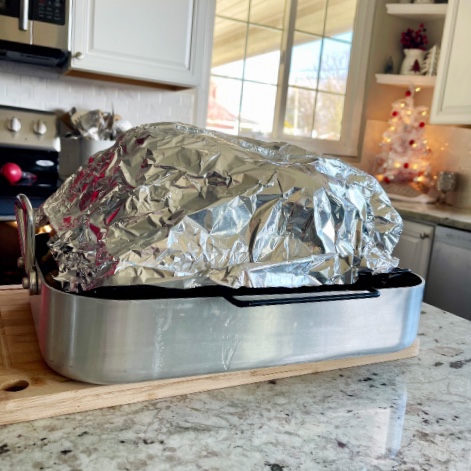
Thanksgiving morning: Roast the turkey
Take the turkey from the refrigerator to warm while you preheat the oven and prepare the roasting pan and stuffing, if stuffing your bird. Follow your recipe for seasoning and setup. For a simple roast, an oven temperature of 325°F is used in the FoodSafety.gov roasting chart.
The chart below gives approximate times for a fresh or thawed turkey. Start checking early, because actual cooking time varies with the bird, oven, pan, and how often the oven door is opened. Use the thermometer—not the clock—to decide when it is done.
| Turkey size | Approximate roasting time at 325°F, unstuffed |
|---|---|
| 8–12 pounds | 2¾–3 hours |
| 12–14 pounds | 3–3¾ hours |
| 14–18 pounds | 3¾–4¼ hours |
| 18–20 pounds | 4¼–4½ hours |
| 20–24 pounds | 4½–5 hours |
A stuffed turkey takes longer, and the stuffing must also reach a safe temperature. For easier timing, consider cooking dressing separately. FoodSafety.gov
What time should the turkey go in the oven?
Start with your planned serving time and work backward:
- Set aside time to carve and serve.
- Allow at least 20 minutes for the cooked turkey to rest.
- Use the roasting chart to estimate the cooking window.
- Add extra time as a buffer, especially if this is your first time roasting a turkey or your oven tends to run cool.
For example, if you’re serving dinner at 4:00 p.m., plan for the turkey to finish cooking with time to rest before carving. A 16-pound unstuffed turkey has an estimated roasting window of about 3¾–4¼ hours at 325°F, but the thermometer determines when it is ready.
If the turkey finishes early, keep it covered while it rests and carve close to serving time. If it is taking longer than expected, keep the side dishes warm and let the turkey finish safely.
How do I know when the turkey is done?
A whole turkey is safe when it reaches 165°F in the thickest part of the breast and the innermost part of the thigh and wing. Check each area with a food thermometer, avoiding the bone. If the turkey is stuffed, check the center of the stuffing too; it also needs to reach 165°F. ask.fsis.usda.gov. Another tell is the turkey joints. the legs should be loose, not tight.
Let the turkey rest for at least 20 minutes before carving. During this time, the juices settle into the meat, so less runs out onto the cutting board when you slice the meat. So the meat is moister. The turkey also firms up slightly, making it easier to carve neatly.
That 20 minutes also gives you time to finish gravy and bring the side dishes to the table.
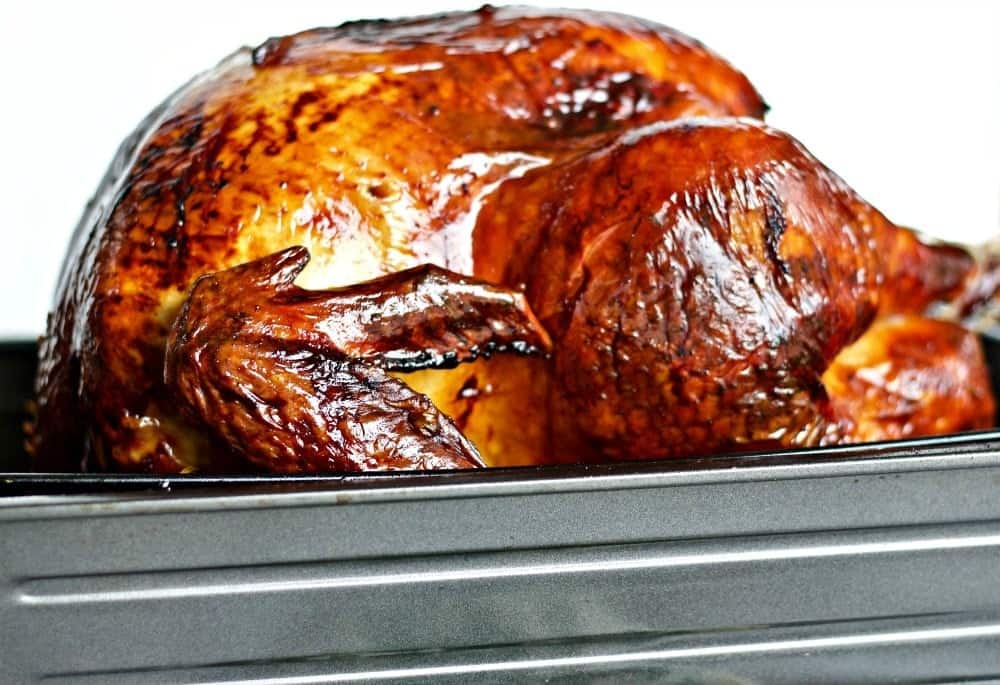
After dinner: Store leftovers promptly
Refrigerate turkey and other perishable foods within two hours of serving. Be sure to strip the bones and use them for instant pot bone broth or soup stock. We have a friend that does this so the cook doesn’t have to. After dinner on Thanksgiving, she disappears into the kitchen after dinner and soon we can smell the stock simmering. Get every bit you can out of your bird.
Divide the meat into smaller portions and use shallow containers so it cools more quickly. Refrigerated turkey leftovers are best used within three to four days. ask.fsis.usda.gov.
You can also freeze the turkey meat for future meals or soups. Slide the pieces into freezer safe ziplock bags, suck out all the air, label and freeze for up to 6 months
Thanksgiving turkey timeline FAQs
How many days ahead should I thaw a turkey?
Allow about 24 hours in the refrigerator for every 4–5 pounds. A 16-pound turkey needs roughly four days; a 20-pound turkey needs roughly four to five days. Add an extra day if your refrigerator is especially full or you want a little margin.
Can I thaw a turkey on the counter overnight?
No. Thaw the turkey in the refrigerator, in cold water using a leakproof bag, or in the microwave if it fits and you can cook it right away. Counter thawing can leave parts of the turkey at unsafe temperatures.
Should I roast the turkey covered or uncovered?
Follow the method in your recipe. If the skin is browning faster than the turkey is cooking, loosely tent the breast with foil and continue roasting until the thermometer shows 165°F in the required spots.
How long should the turkey rest before carving?
Let it rest for at least 20 minutes. Resting gives you a short window to finish the gravy and sides, and makes carving easier.
Can I cook stuffing inside the turkey?
You can, but it adds cooking time, and the center of the stuffing must reach 165°F. Cooking dressing in a separate dish makes it easier to check both the turkey and the dressing and can make dinner timing simpler. If stuffing your bird, consider using a light stuffing of aromatics, rather than a heavy bread based stuffing.

Follow Us:
We enjoy meeting you on our social networks. Follow us on Facebook, Pinterest, Instagram . Tag us with your pictures of our recipes and comment on how it went for you. We would love to see what you do with them.
We often like, comment and share your posts of our recipes on our daily Instagram stories.
Ask questions and rate the recipe in the comments section below. Please share what you did with this recipe. We are always looking for more and better ways to make homemade food. Other cooks love your ideas!
Recent Posts: