
How to Assemble a Charcuterie Board for a Party
As an Amazon Associate and member of other affiliate programs we earn a small commission from qualifying purchases through our affiliate link. For more information read our Entire Affiliate Disclosure.
A beautiful charcuterie board makes entertaining easier by bringing an appealing selection of meats, cheeses, crackers, fruits, and savory accompaniments together in one place.
Whether you’re hosting a small gathering or preparing a large holiday appetizer table, the secret is choosing the right amount of food, offering a variety of flavors and textures, and arranging everything so guests can serve themselves comfortably.
In this guide, we’ll help you choose ingredients, calculate how much meat and cheese to buy, assemble an attractive board, and keep everything fresh and safe throughout your gathering.
What Is a Charcuterie Board?
Traditionally, charcuterie refers to prepared and cured meats, including salami, prosciutto, pâtés, and similar specialties. The term comes from French culinary traditions.
Modern charcuterie boards have evolved into generous party platters featuring meats, cheeses, crackers, bread, fruit, nuts, olives, pickled vegetables, and spreads.
A classic board starts with cured meats and complementary cheeses. A modern grazing board may offer a much wider selection, including vegetarian options, sweet treats, or themed ingredients.
Whatever style you choose, the goal is to provide an inviting assortment of foods that taste good together and are easy for guests to enjoy.

How Much Meat and Cheese Do You Need Per Person?
Before shopping, decide whether your charcuterie board will be one of several appetizers or the main food offering.
For a board served before dinner or alongside other appetizers, plan approximately 1½ to 2 ounces of meat and 1½ to 2 ounces of cheese per guest. Add crackers, bread, fruits, vegetables, and other accompaniments.
If the board is the main food for a casual gathering, increase the amount to approximately 3 to 4 ounces each of meat and cheese per person.
Charcuterie Shopping Guide
These are planning estimates for a board served alongside other appetizers.
| Guests | Cured Meat | Cheese |
|---|---|---|
| 4–6 | 6–12 oz | 6–12 oz |
| 8–10 | 12–20 oz | 12–20 oz |
| 12–15 | 18–30 oz | 18–30 oz |
| 20 | 30–40 oz | 30–40 oz |
For larger gatherings, consider assembling several smaller boards instead of crowding everything onto one enormous platter.
These quantities are starting points, not fixed serving requirements. Adjust for your guests’ appetites, the duration of the party, and how many other foods you’re serving.
For complete party menus and guest-count planning, visit our Fall Appetizer Menus and Entertaining Guide.
Choosing Meats for Your Charcuterie Board
Choose two to four meats with contrasting textures and flavors. You don’t need a large number of expensive specialty meats to make an attractive board.
Good selections include:
- Salami: Familiar, flavorful, and easy to serve in slices.
- Prosciutto: Thin and delicate, with a savory, salty flavor.
- Soppressata: A firmer cured sausage with a robust flavor.
- Chorizo: Adds a smoky or spicy element, depending on the variety.
- Coppa: A rich, thinly sliced cured pork specialty.
Arrange some slices in loose folds, others in small overlapping rows, and firmer meats in compact groups. Make the selections easy to pick up without disturbing the rest of the board.
Follow package instructions for refrigeration and serving. Not all cured meats are shelf-stable.
What Are the Best Cheeses for Charcuterie?
Offering three or four different cheeses usually provides plenty of variety.
Choose cheeses with different textures, flavors, and appearances.
| Cheese style | Examples | Serving suggestion |
|---|---|---|
| Soft | Brie, Camembert, chèvre | Serve in wedges or small portions |
| Semi-hard | Cheddar, Gouda, Monterey Jack | Slice or cube |
| Hard | Parmesan, aged Asiago, Manchego | Break into bite-sized pieces |
| Blue | Gorgonzola, Stilton, Roquefort | Serve in a small wedge or portion |
Try combining one mild cheese, one creamy cheese, and one strongly flavored or aged cheese.
Place small cheese knives near cheeses that need cutting. Pre-slice part of the firmer cheeses so guests can get started easily.
What Else Goes on a Charcuterie Board?
The accompaniments create color, texture, and contrast while making the board feel generous.
Crackers and bread: Choose sturdy crackers, thin baguette slices, breadsticks, or small pieces of homemade sourdough.
Fresh fruit: Grapes, berries, apples, pears, and seasonal fruit pair nicely with salty meats and rich cheeses.
Savory additions: Olives, cornichons, pickled peppers, marinated vegetables, and mustard provide acidity and contrast.
Nuts and dried fruit: Almonds, walnuts, pistachios, dried apricots, and figs fill smaller spaces and add interesting flavors.
Spreads: Fig jam, pepper jelly, honey, and savory dips can complement cheeses and crackers.
For more spreads to accompany your board, explore our Party Dips Recipes.
Place wet or oily foods in small bowls to keep crackers crisp and prevent flavors from running together.

How to Assemble a Beautiful Charcuterie Board
You don’t need professional food-styling skills to assemble an attractive board. Work from the largest items toward the smallest.
Step 1: Choose Your Board or Platter
Use a clean food-safe cutting board, serving platter, or large tray. Wood, marble, slate, glass, and other food-safe materials can all work.
Choose a size that fits your food without crowding the ingredients. For large parties, two or three smaller boards may be easier to arrange, serve, and replenish.
Step 2: Position the Cheeses and Bowls
Place cheeses around the board, leaving space between them.
Arrange small bowls for olives, spreads, pickles, and other loose ingredients. These become the anchors around which you’ll arrange the remaining foods.
Step 3: Arrange the Meats
Fold thin slices of prosciutto into loose ribbons. Arrange salami in overlapping rows or small fans. Group firmer sausages in easy-to-grab portions.
Distribute the meats across the board rather than placing everything in one area.
Step 4: Add Crackers, Bread, and Fruit
Arrange crackers and bread in small rows or clusters. Add grapes, berries, or sliced fruit for color and freshness.
If crackers may become soggy, serve some separately and replenish them as needed.
Step 5: Fill the Gaps
Use nuts, dried fruit, pickles, and other small accompaniments to fill open spaces.
Finish with a few fresh herbs if desired.
The board should look abundant without being so crowded that guests cannot easily pick up the food.
Charcuterie Board Ideas for Different Occasions
Classic Meat and Cheese Board: Combine salami, prosciutto, cheddar, brie, crackers, olives, and grapes.
Holiday Charcuterie Board: Use seasonal fruit, cranberry spreads, rosemary sprigs, and a mixture of mild and strongly flavored cheeses.
Fruit and Cheese Board: Feature several cheeses with fresh fruit, nuts, honey, and crackers. This works well when you want a lighter, meat-free option.
Mediterranean Grazing Board: Arrange hummus, feta, olives, marinated vegetables, pita, and other Mediterranean-inspired appetizers.
Large Party Grazing Table: Create several smaller displays, leaving room for serving utensils and replenishment trays. Provide separate sections for guests with dietary preferences or restrictions.
If accommodating food allergies, use clearly labeled ingredients and separate utensils. A shared grazing board cannot guarantee protection against allergen cross-contact

Can You Prepare a Charcuterie Board Ahead of Time?
Yes. Much of the work can be completed before guests arrive.
One or Two Days Before
- Shop for meats, cheeses, and accompaniments.
- Prepare homemade spreads and dips according to their recipes.
- Wash and thoroughly dry sturdy vegetables.
- Gather serving boards, bowls, knives, and utensils.
Several Hours Before Serving
- Portion cheeses and slice meats as appropriate.
- Prepare small bowls of olives, pickles, and spreads.
- Arrange the refrigerated ingredients on a platter, cover, and refrigerate if you have adequate space.
- Keep crackers, bread, and other moisture-sensitive foods separate.
Shortly Before Guests Arrive
- Add crackers and bread.
- Add cut fruit and delicate garnishes.
- Set out serving utensils and small plates.
- Bring out refrigerated perishables close to serving time, following safe holding guidelines.
The key is to prepare ingredients ahead without leaving the completed board unrefrigerated for an extended period.
How to Keep a Charcuterie Board Fresh Throughout a Party
A large grazing board may look beautiful when guests arrive, but it can quickly become messy or unappealing during a long gathering.
Rather than putting out all the food at once, prepare smaller boards and keep additional ingredients refrigerated.
Refresh the presentation by replacing empty bowls, removing used utensils, clearing crumbs, and bringing out clean platters of fresh food.
Keep extra crackers and bread in covered containers so they remain crisp.
For large gatherings, designate an area where you can prepare replacement trays without interrupting your guests.
Avoid adding fresh refrigerated food directly on top of older food that has been sitting out.

Charcuterie Board Food Safety
Meats, cheeses, dairy-based dips, and other perishable foods need careful handling during parties.
According to the USDA, cold perishable foods should be held at 40°F or below.
Do not leave perishable food at room temperature for more than two hours, or one hour when temperatures are above 90°F. These limits apply to the total time the food is without temperature control.
For longer parties:
- Use smaller serving boards and replace them with freshly refrigerated food.
- Keep cold ingredients chilled with ice or refrigerated serving trays.
- Use clean serving utensils and replace soiled platters.
- Keep raw meats away from ready-to-eat foods during preparation.
- Follow the storage instructions for cured meats, cheeses, and specialty products.
- Discard perishable foods that have exceeded safe holding limits.
For additional information, see the USDA’s guidance on keeping buffet food safe.
More Party Food Ideas
A charcuterie board can be the centerpiece of a gathering or one part of a larger appetizer menu.
Complete your party spread with our Finger Food Appetizers, explore our Party Dips Recipes for flavorful spreads, or use our Fall Appetizer Menus guide to plan a complete gathering.
With a little advance preparation, you can create an inviting charcuterie board that looks beautiful, offers something for everyone, and makes entertaining easier.
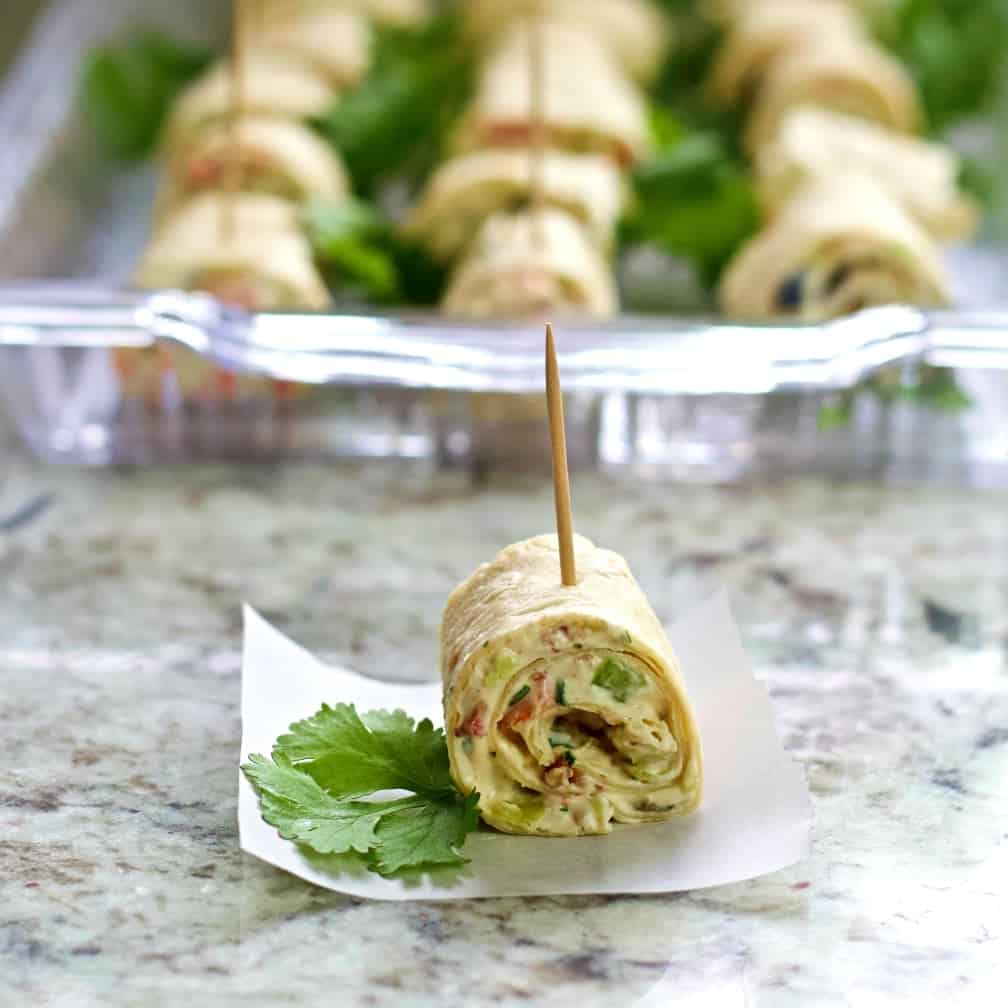


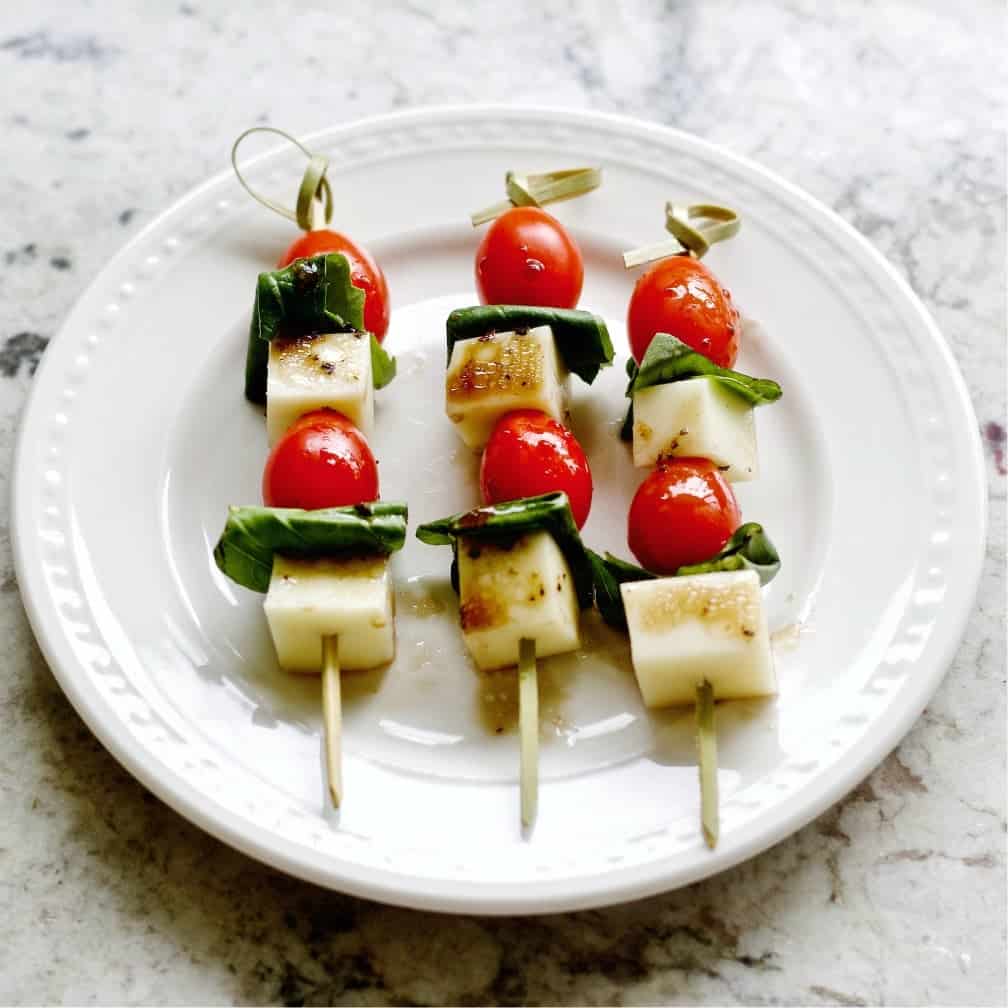

All these appetizers are delicious, easy to make and well tested for parties. If your interested in making or garnishing your cocktails uniquely for your party read:
If you’re building a larger appetizer spread our post on Fall Appetizer Menus and Party Planning guide will Help.
Find our Party Dips here and our Baked Appetizers here. Find our complete collection of appetizers here. And Our Finger food Appetizers on this page.


Follow Us:
We enjoy meeting you on our social networks. Follow us on Facebook, Pinterest, Instagram . Tag us with your pictures of our recipes and comment on how it went for you. We would love to see what you do with them.
We often like, comment and share your posts of our recipes on our daily Instagram stories.
Ask questions and rate the recipe in the comments section below. Please share what you did with this recipe. We are always looking for more and better ways to make homemade food. Other cooks love your ideas!
Recent Posts: