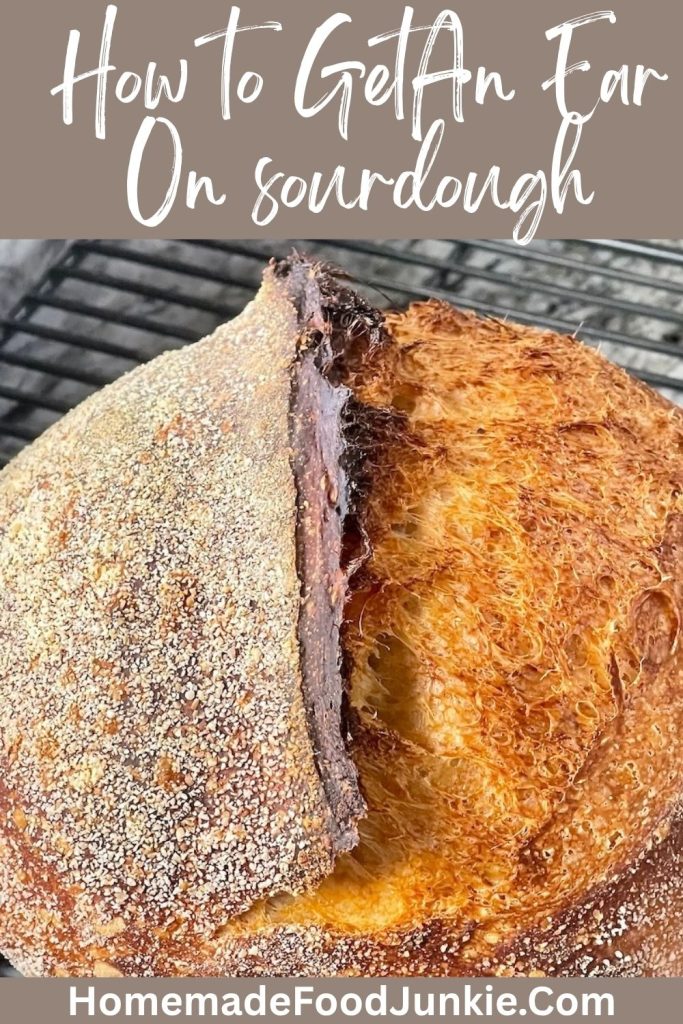
How to Get an Ear on Sourdough Bread (And Why You Don’t Always Need One)
As an Amazon Associate and member of other affiliate programs we earn a small commission from qualifying purchases through our affiliate link. For more information read our Entire Affiliate Disclosure.
Learn how to get an ear on sourdough bread with the right scoring, shaping, and fermentation—and when an ear actually matters.
If your sourdough isn’t opening with that dramatic raised ridge, the issue isn’t just your scoring.
An ear is the result of several factors working together—and even then, it’s optional.
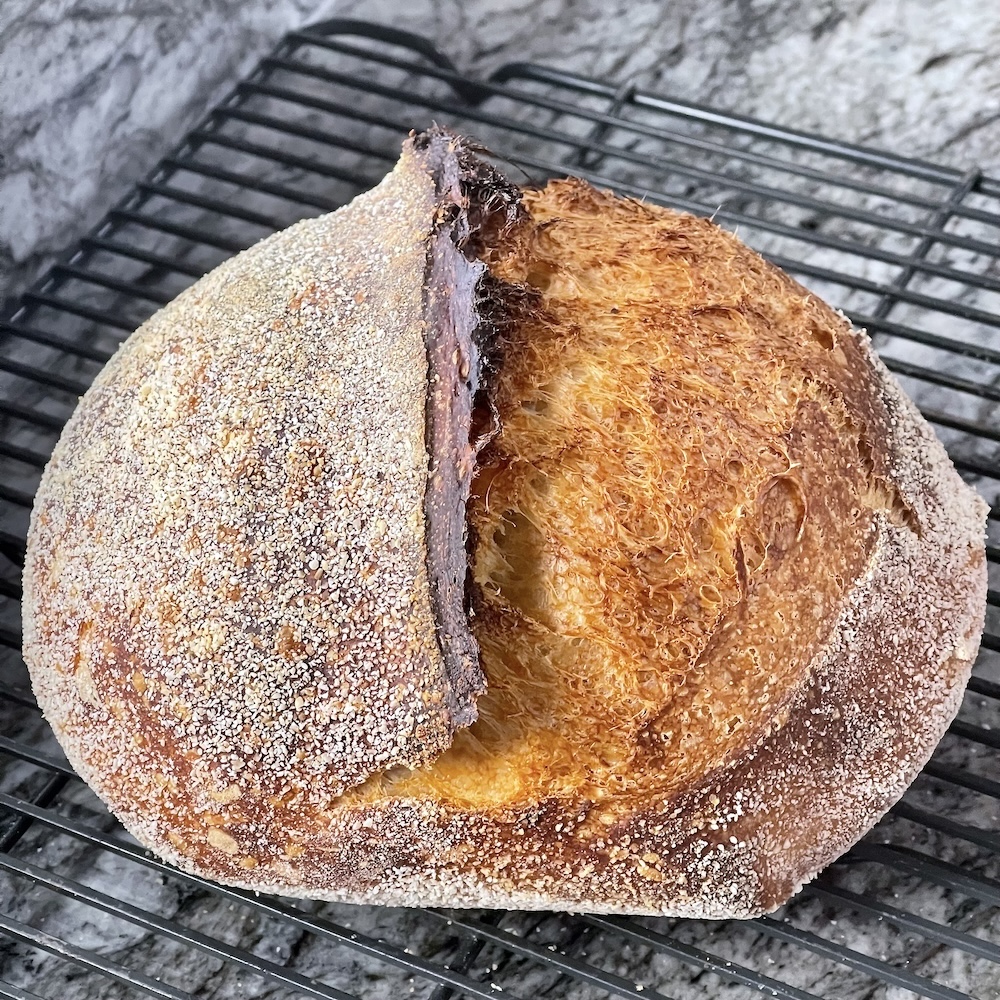
How to Get an Ear on Sourdough Bread (Step-by-Step)
Here’s what actually causes an ear to form on sourdough:
- ferment fully (but not overproofed)
- build strong dough structure
- shape with surface tension
- score at a shallow angle
- bake with strong initial steam
In this guide, you’ll learn exactly:
- what creates an ear
- how to get one consistently
- why you might not be getting one
- and when it actually doesn’t matter
What Is an Ear on Sourdough Bread (And Why It Forms)
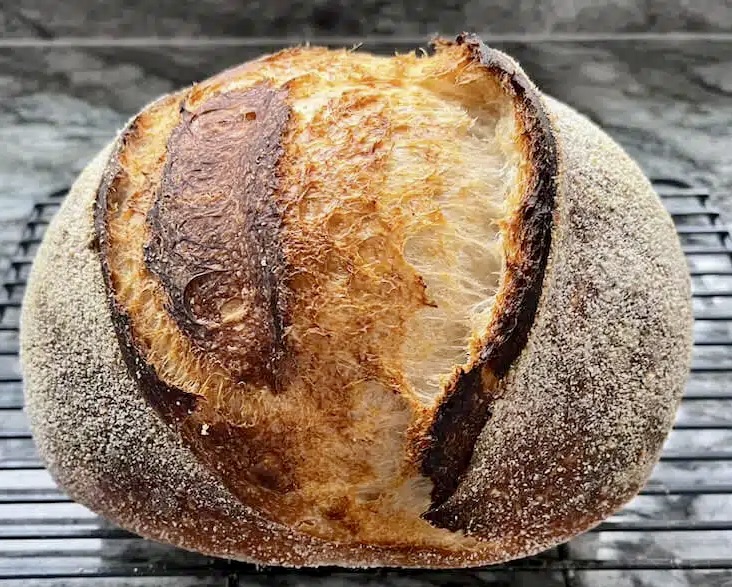
An ear is the lifted flap of crust that forms along your score line during oven spring.
It happens when:
- the dough expands rapidly in the oven
- the score directs that expansion in a controlled way
- the outer surface dries just enough to lift and curl
A strong ear usually indicates:
- good fermentation balance
- strong dough structure
- proper surface tension
- correct scoring technique
But it is not a guarantee of good crumb or flavor.
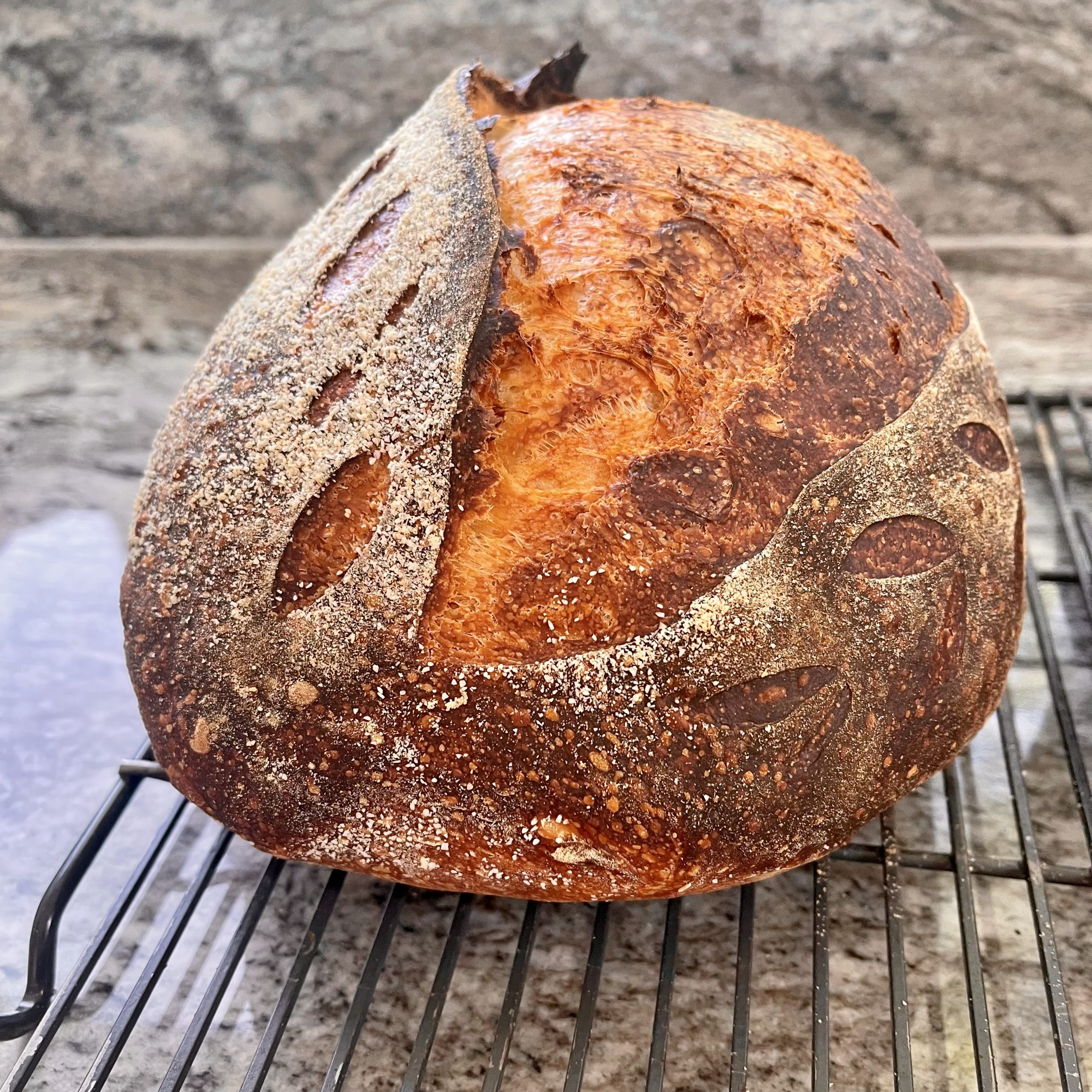
What Actually Creates an Ear
It is not just about scoring. Learning how to get an ear on sourdough bread is getting experience with a combination of several factors in bread making. When these variables come together, they can result in an ear forming on your sourdough loaf.
1. Proper Fermentation (The Foundation)
Your dough must be:
- fully fermented
- but not overproofed
Underproofed dough:
- expands too aggressively
- tears unpredictably
- may blow out instead of forming an ear
Overproofed dough:
- lacks strength
- spreads instead of lifting
- produces little to no oven spring
If fermentation is off, scoring cannot fix it. Learn How to Proof Sourdough correctly.
2. Strong Dough Structure
To lift into an ear, your dough needs strength.
That comes from:
- proper gluten development (mixing + folds)
- balanced hydration
- fermentation that builds gas without weakening structure
Weak dough = no lift
Strong dough = controlled expansion
Learn more about dough structure in our What Is Dough Structure In Sourdough Guide.
3. Surface Tension from Shaping
Shaping is where the ear is set up.
You need:
- a smooth, taut outer skin
- enough tension to hold shape
- but not so tight that gas is forced out
If your dough spreads on the bench, your ear will struggle to form.
Learn how shaping sourdough correctly impacts your sourdough bread bake.
4. Correct Scoring Technique
Scoring is where most bakers focus—but it’s only one piece.
To encourage an ear:
- use a sharp blade (lame or razor)
- score at a shallow angle (about 30–45°)
- cut just deep enough (¼–½ inch typically)
A straight-down cut opens…
A shallow angled cut creates an ear.
Learn how scoring sourdough bread correctly helps form an ear in our Sourdough Scoring Guide.
5. Steam and Oven Environment
Steam delays crust formation so the dough can expand.
For a strong ear:
- high initial heat (475–500°F)
- good steam in the first phase
- then dry heat to set the crust
Without steam:
- crust sets too early
- score can’t open fully
- ear won’t form
Learn how Steam baking correctly improves your sourdough bread.
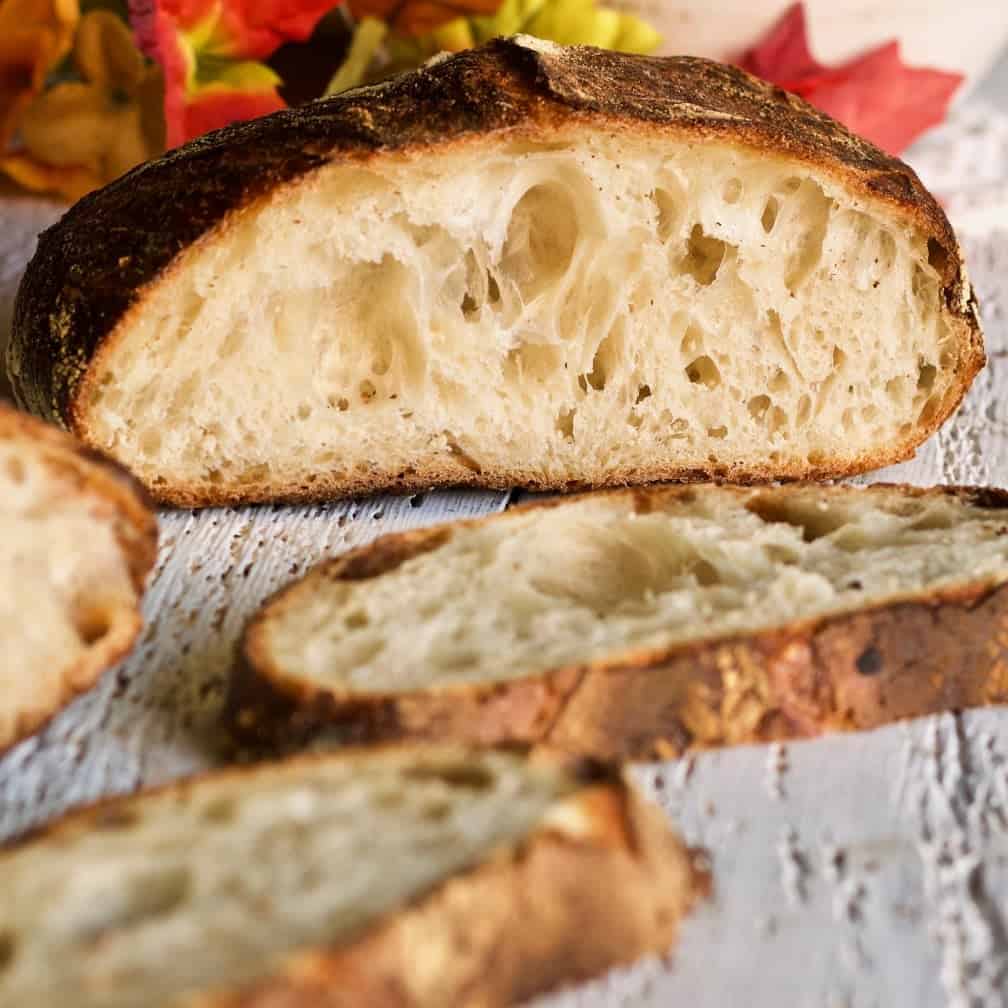
Why You’re Not Getting an Ear
If your bread tastes great but lacks an ear, here are the most likely causes:
Slight Overproofing (Most Common)
The dough has already expanded as much as it can.
Result:
- weak oven spring
- flat score
- no lift
Weak Shaping or Low Surface Tension
The dough spreads instead of rising upward.
Result:
- wide, flat loaf
- score opens but doesn’t lift
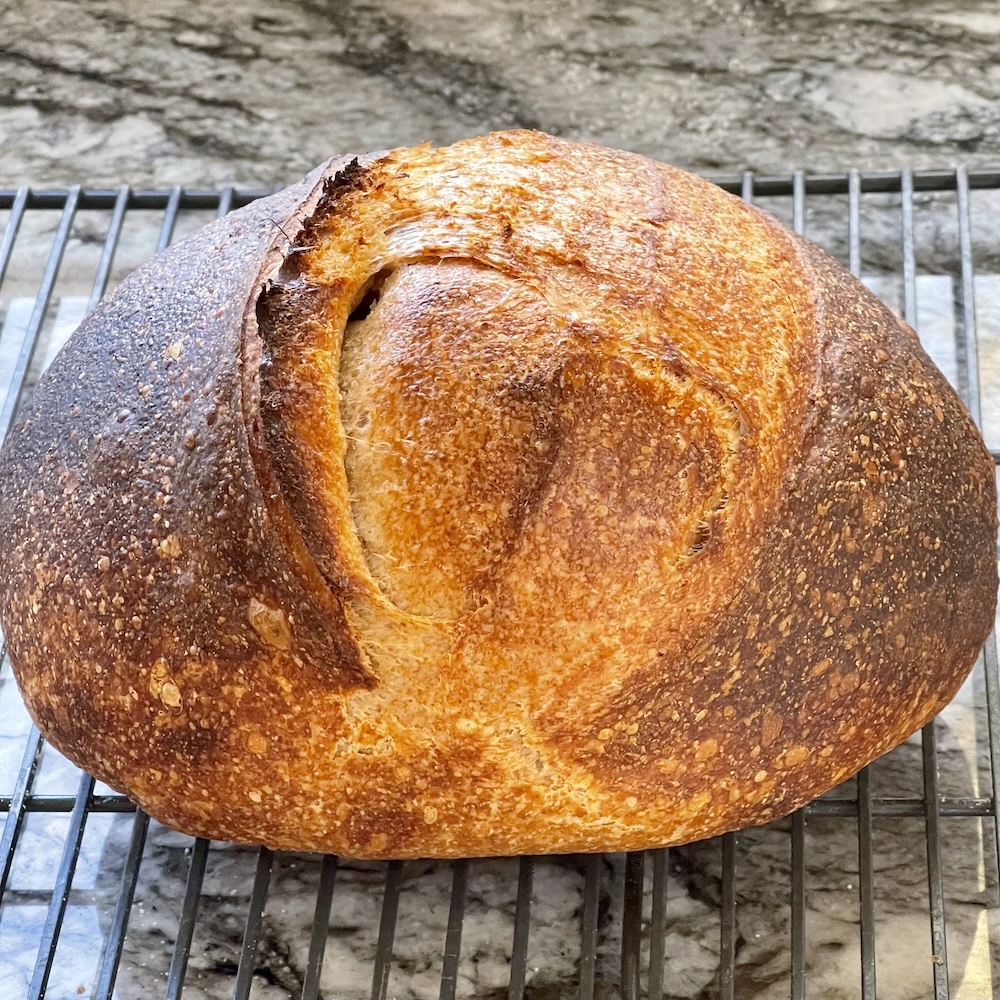
Scoring Too Straight or Too Deep
A vertical cut won’t create a flap.
Result:
- clean opening
- no ear formation
As explained by King Arthur Baking Company, scoring at an angle helps control how the dough expands in the oven.
Low Steam or Poor Oven Setup
The crust sets too fast.
Result:
- restricted expansion
- muted or no ear
If your sourdough isn’t developing an ear, the issue is usually fermentation, shaping, scoring, or steam during baking. However, hydration and flour blend differences also play a part.
Hydration and Flour Differences
Here is where the variables on bread making ramp up and can cause some challenges. Consequently, ears on especially home milled flour blends may not happen or may look different than your expecting.
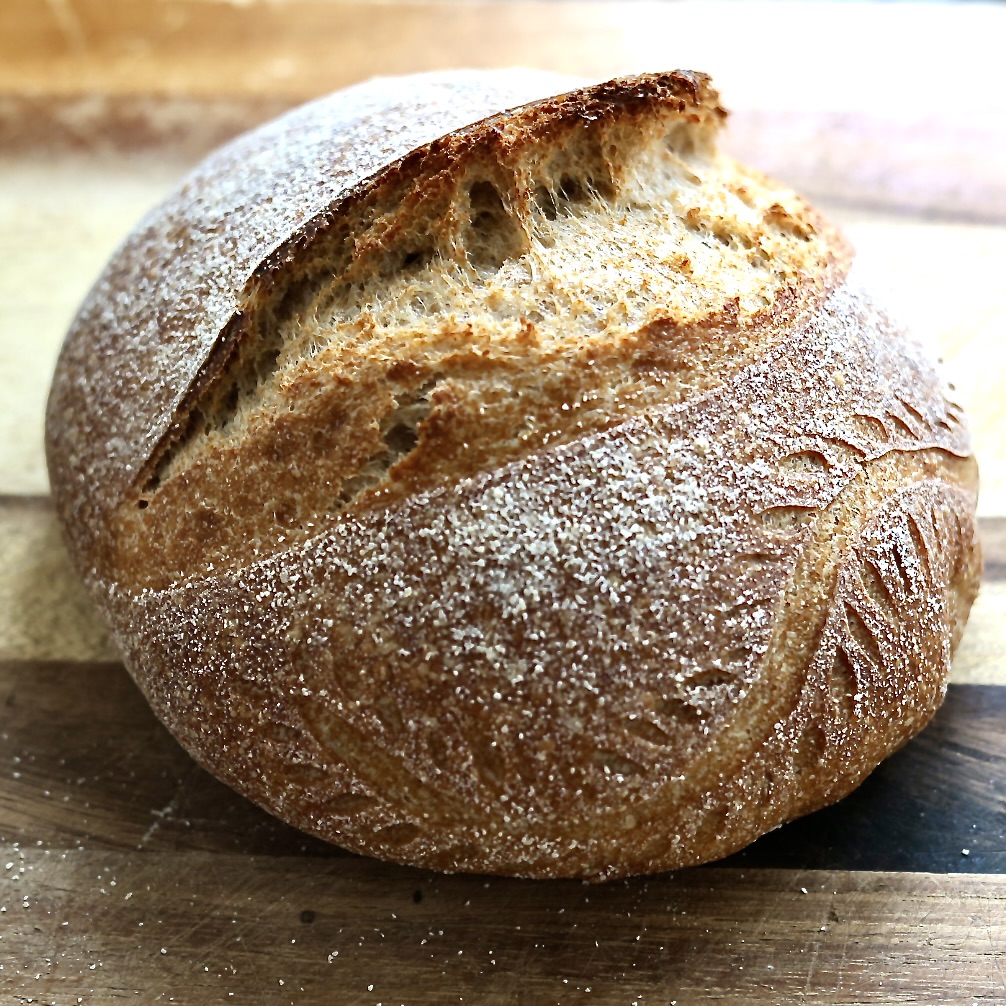
Higher hydration or fresh milled flour can:
- soften structure
- reduce defined ear formation
This is especially true for fresh-milled flour blends.
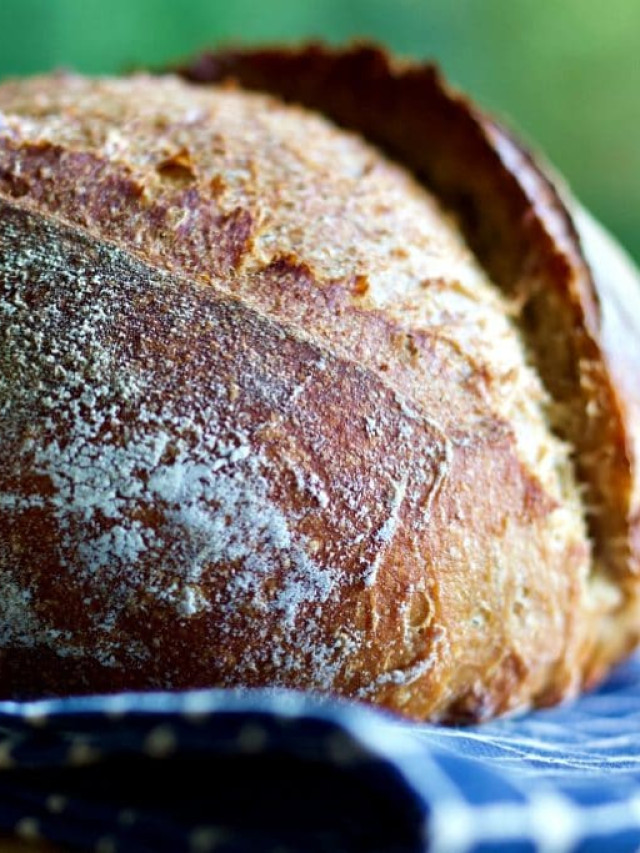
Ears can happen with 100% whole wheat flours as noted in our easy whole wheat sourdough bread. White whole wheat flour will be more likely to produce an ear.
The higher hydration breads like the ones I normally create, don’t have as pronounced an ear as the lower hydration sourdough breads (70% or lower). Dough structure is related to hydration. Higher hydration loaves are more difficult to shape, structure and score. So the loaves often have smaller or less pronounced ears.
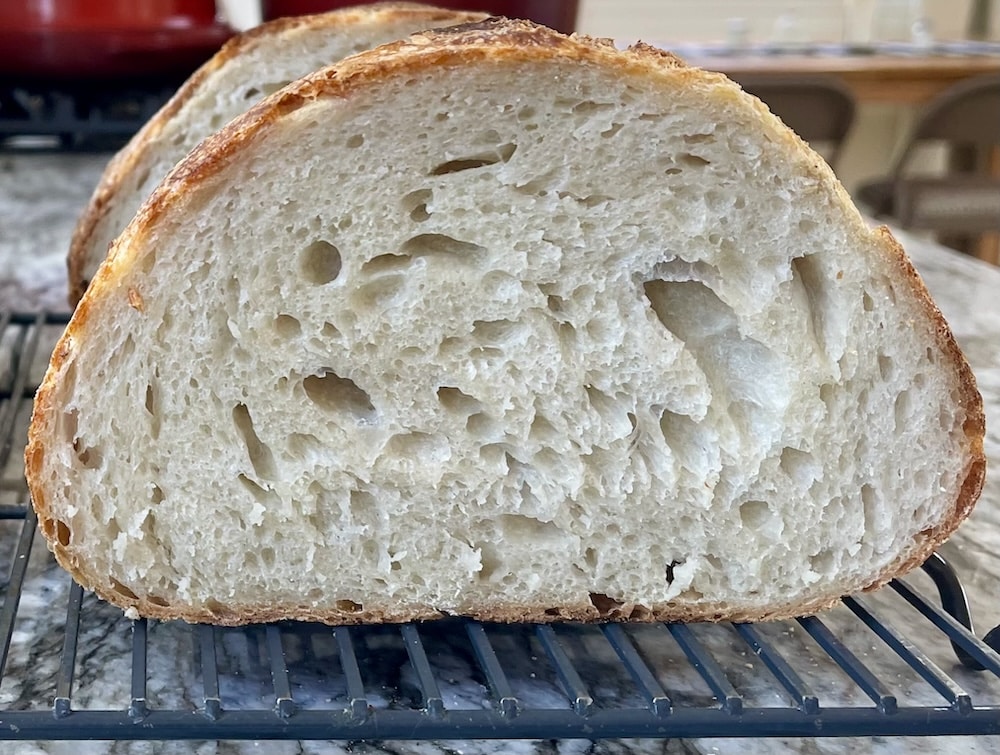
The Truth: You Don’t Always Need an Ear
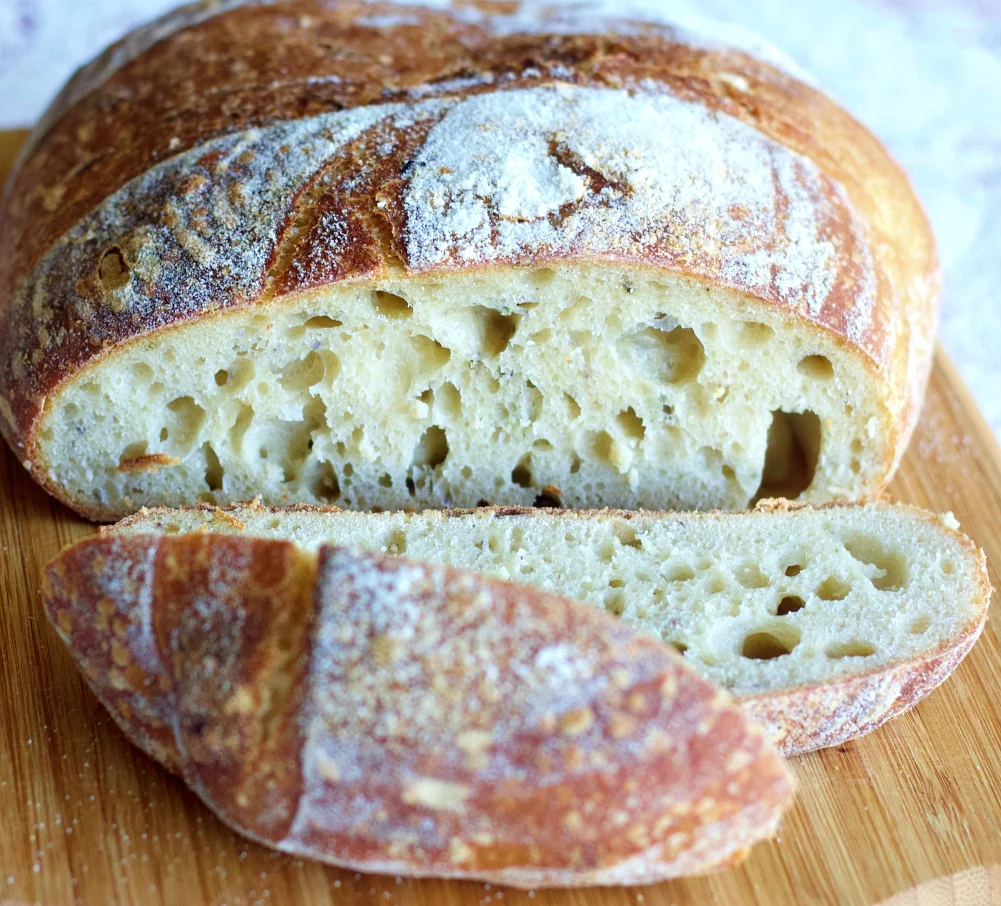
An ear is a visual cue—not a quality requirement.
Some of the best bread will:
- have no ear
- have a soft bloom instead
- show expansion without a dramatic ridge
In fact, chasing an ear can sometimes push bakers to:
- underproof their dough
- over-tighten shaping
- prioritize appearance over texture
A balanced loaf should have:
- good volume
- even crumb
- strong structure
- pleasant crust
The ear is optional.
What You Should Look for Instead
Instead of focusing only on the ear, evaluate your bread by:
- oven spring (overall rise)
- crumb structure (even vs dense)
- crust quality (thin, crisp, well-colored)
- flavor and texture
If those are right, your process is working—even without an ear.
How to Get An Ear On Sourdough:
These are the basics of how to get an ear on your sourdough bread. As we have shown in this post, each variable in the bread making process plays a part in devoting a good ear on sourdough bread.
In summary, to develop a better ear, follow these steps:
- ferment fully but avoid overproofing
- build strength early (folds, coils)
- shape with controlled surface tension
- score at an angle
- ensure strong steam during early bake
Make one adjustment at a time so you can see what actually changes your results.
Common Questions About Sourdough Ears
Does cold proofing help create an ear?
Yes. Cold dough is easier to score cleanly and often produces better lift in the oven.
Can you get an ear without a Dutch oven?
Yes—but it’s harder. You need to manually create steam in your oven.
Does flour type affect ear formation?
Yes. Lower protein or fresh milled flour can reduce structure, making ears less pronounced.
Is a bigger ear always better?
No. Oversized ears can sometimes indicate underproofing or overly tight shaping.
Final Takeaway
An ear is the result of:
- balanced fermentation
- strong structure
- proper shaping
- correct scoring
- controlled baking conditions
But it is not the primary goal of good sourdough bread baking.
The goal is bread that is:
- well fermented
- properly structured
- enjoyable to eat
When we have good bread, an ear is a side note.
Where to go next:
To see all of our sourdough content visit our Sourdough Hub.
- How to Shape Sourdough Bread
- How to Score Sourdough Bread
- How to Read Sourdough Crumb Structure
- Sourdough Troubleshooting Guide
- How to Get a Crispy Sourdough Crust
Be sure to visit our comprehensive Sourdough Troubleshooting Guide for more tips on How to make your best bake.