
Salt in Sourdough Bread: Why It Matters
As an Amazon Associate and member of other affiliate programs we earn a small commission from qualifying purchases through our affiliate link. For more information read our Entire Affiliate Disclosure.
Salt is one of the most underestimated ingredients in sourdough baking. Most bakers know it adds flavor, but far fewer understand how deeply salt in sourdough bread recipes affect dough structure, fermentation speed, hydration behavior, and crumb quality.
If you’ve ever had sourdough turn out flat, gummy, overly sour, or inconsistent—even when hydration and timing seemed right—salt is often the missing variable.
This guide explains how salt actually works in sourdough, when to add it, how much to use, how different salts behave, and what happens when salt is reduced or omitted. The goal is clarity, not complication.
To read all of our Sourdough Baking guides visit our Sourdough Hub. It’s full of great guides to help you get your best bake.
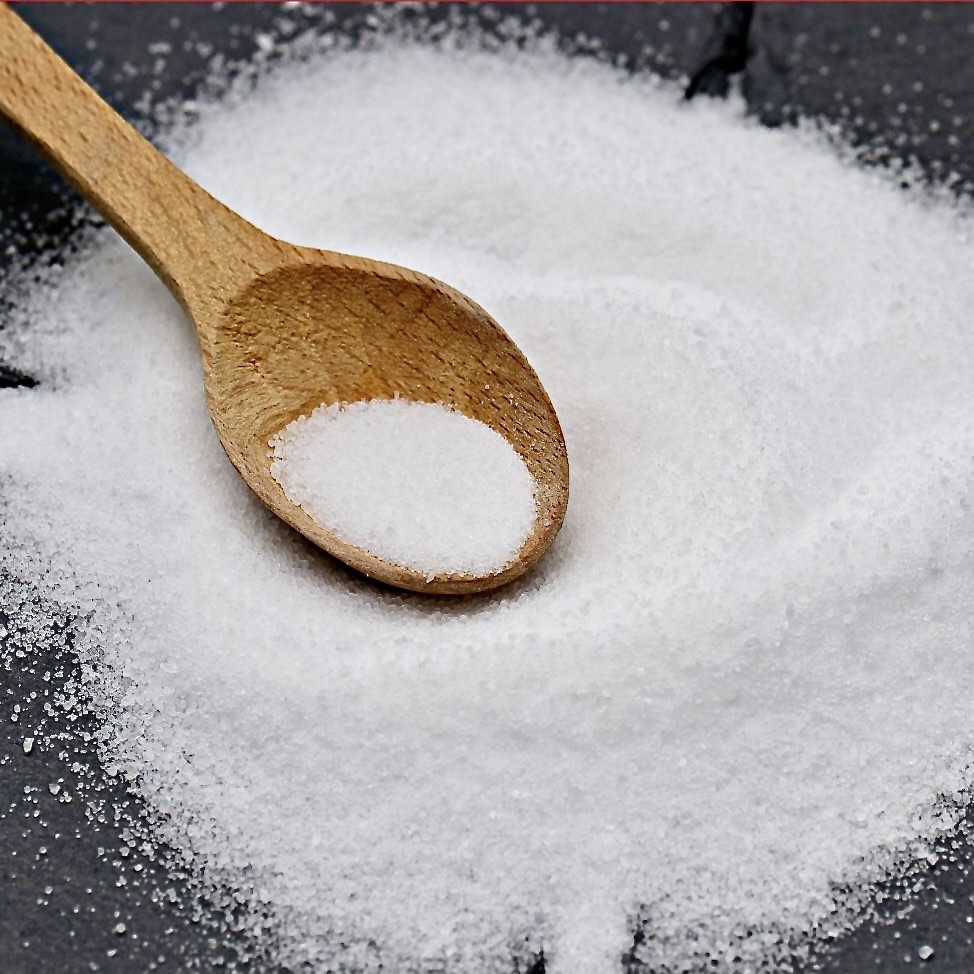
What Salt in Sourdough Bread Dough Really Does:
Salt influences sourdough in four major ways:
- Strengthens gluten
- Controls fermentation
- Changes effective hydration
- Balances flavor and acidity
King Arthur Baking also explains it well in their post on salt. Salt strengthens gluten structure and regulates yeast activity, making it essential for controlled fermentation and proper crumb development. They also mention an interesting way to add salt to starter to retard fermentation during storage.
Unlike commercial yeast bread, sourdough ferments slowly over many hours. That extended timeline makes salt structural, not optional.
Salt vs. Hydration: Behavior vs. Math
Salt does not change hydration percentage on paper. Hydration is still calculated as water ÷ flour.
However, salt does change how hydrated the dough behaves.
Here’s how:
- Salt binds some free water, reducing effective hydration
- Salt tightens gluten bonds, making dough feel firmer
- Unsalted dough feels wetter, looser, and stickier at the same hydration
- Once salt is added, dough often becomes noticeably more manageable
This is why hydration should always be evaluated after salt is incorporated, not during autolyse. Read our post on Sourdough hydration for more on this.
Remember: Salt in sourdough bread baking doesn’t change the hydration numbers—but it absolutely changes the outcome
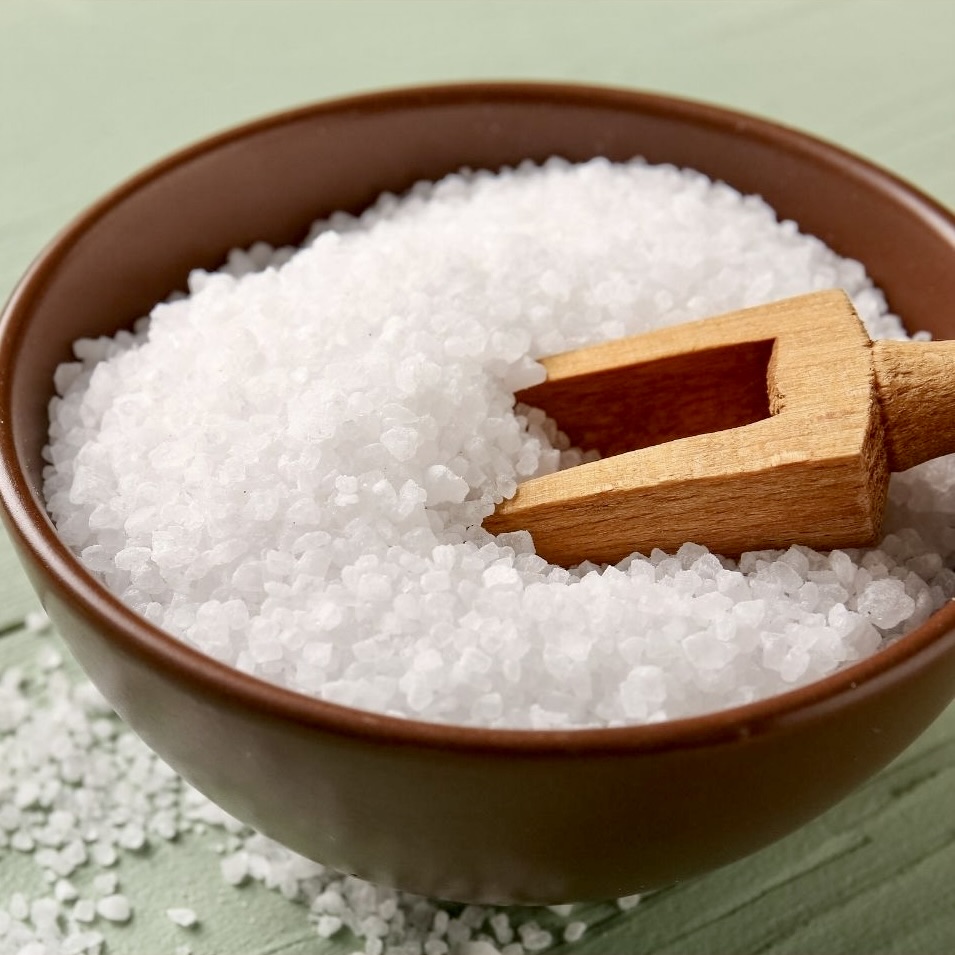
When to Add Salt in Sourdough (Autolyse Timing)
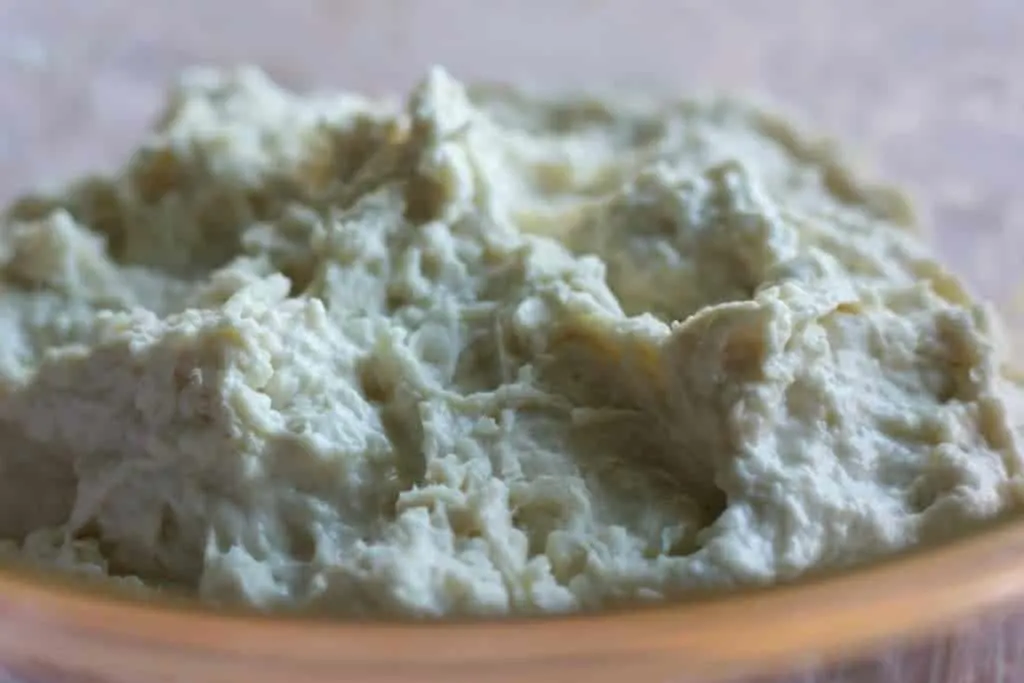
Most sourdough recipes delay salt until after autolyse, and this is intentional.
Why salt is added after autolyse:
- Flour hydrates more fully without salt present
- Dough becomes more extensible
- Gluten development starts naturally
- Mixing is easier and gentler
Once salt is added:
- Gluten tightens
- Dough gains structure
- Fermentation slows and stabilizes
This sequence—hydrate first, then stabilize—is especially important in long cold-rise sourdough. Salt in sourdough bread recipes is added with purpose. It has work to do.
How Much Salt to Use in Sourdough (Percentages That Work)
Most successful sourdough formulas fall within a narrow salt range:
Typical sourdough salt percentage: 1.8%–2.2% of total flour weight
What happens outside this range:
Below 1.8%
- Faster fermentation
- Weaker gluten
- Risk of gummy crumb
- Bland or overly sour flavor
Above 2.2%
- Sluggish fermentation
- Tight crumb
- Reduced oven spring
- Dough feels overly stiff
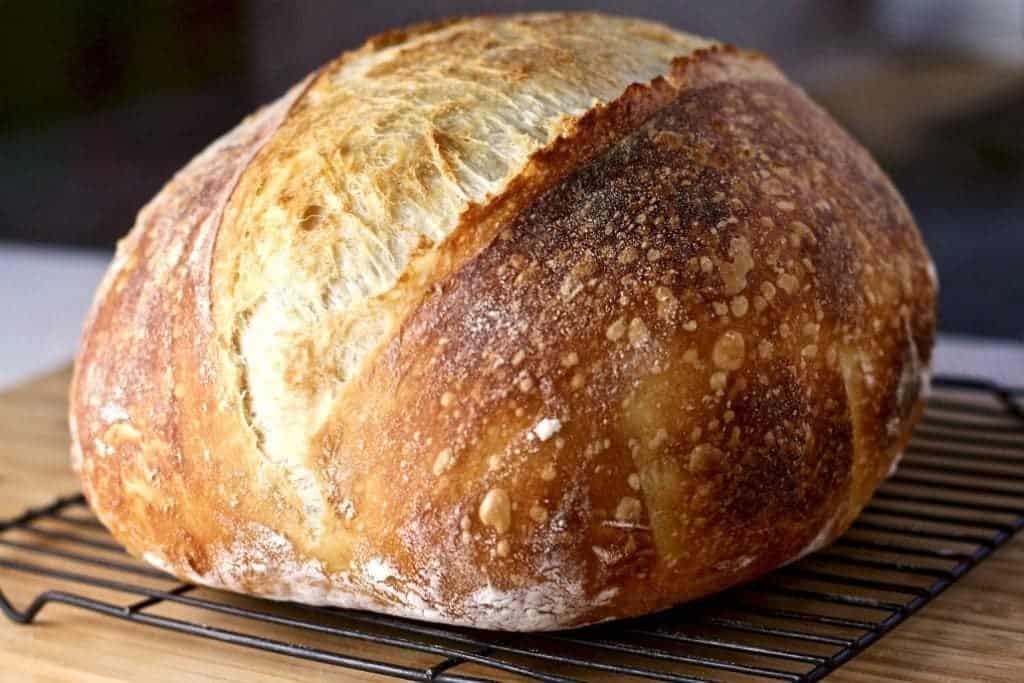
For beginners, staying close to 2% provides the best balance of structure, flavor, and fermentation control. Our Beginners Artisan Sourdough Bread is an example of how salt in sourdough bread dough works powerfully to develop the dough..
How Different Salts Behave (Weight vs. Volume Matters)
Salt behaves differently depending on type and measurement method.
Why weight matters:
- Fine salt packs more densely than coarse salt
- Two tablespoons of different salts can vary dramatically in weight
- Over- or under-salting often comes from volume measurement
Common salt differences:
- Fine sea salt: Packs tightly, easy to over-salt by volume
- Coarse sea salt: Lighter by volume, dissolves more slowly
- Kosher salt: Very inconsistent between brands
- Table salt: Fine, dense, easy to over-salt
- Pink Himalayan salt: Coarse, lighter by volume, must be weighed for accuracy
Best practice:
Always measure salt in sourdough bread baking by weight, not volume.
What Happens When Salt Is Reduced or Omitted
Reducing or skipping salt changes far more than flavor.
Without enough salt:
- Dough ferments too fast
- Gluten weakens early
- Dough spreads instead of rising
- Crumb turns gummy or collapses
- Acidity becomes harsh and unbalanced
Salt acts as a brake system in sourdough. Without it, fermentation outruns structure. This is why low-salt sourdough often looks active early, then fails later. Read more on Sourdough Fermentation here.
Salt Mistakes That Cause Flat or Gummy Sourdough
Many common sourdough problems trace back to salt misuse rather than hydration or starter issues.
- Reducing salt to “improve fermentation”
- Measuring salt by volume instead of weight
- Forgetting salt entirely
- Adding salt too late without proper mixing
- Using very fine salt without adjusting amount
If your dough:
- Feels slack despite correct hydration
- Ferments too quickly
- Bakes flat
- Has a gummy interior
Salt in sourdough bread baking should be evaluated alongside hydration and fermentation timing—not after the fact. For more on this and other critical points on sourdough bread baking, read our Sourdough Troubleshooting Guide.
How Salt Fits Into Long Cold-Rise Sourdough
In long cold fermentation, salt in sourdough bread dough becomes even more important.
This is why: Over many hours:
- Gluten relaxes naturally
- Enzymes break down starches
- Acids accumulate slowly
Salt helps:
- Maintain dough strength overnight
- Prevent over-fermentation
- Preserve oven spring
- Support a creamy—not gummy—crumb
Dough that feels fine before refrigeration can fail the next day if salt is too low for the fermentation length.
How This Connects to Hydration and Troubleshooting
Salt, sourdough hydration, and fermentation are inseparable.
- High hydration without enough salt = weak structure
- Long fermentation without salt = collapse risk
- Sticky dough without salt = misleading hydration cues
This is why salt in sourdough bred baking deserves its own discussion—not just a line in the ingredient list.
Related Guides (Better Dough + Better Shape)
- Hydration: If your dough feels sticky, slack, or hard to shape, hydration is usually the reason. Start here: Understanding Sourdough Hydration
- Flour: Different flours absorb water differently and change dough strength and fermentation. Use: Sourdough Flour Types Guide
- Measuring (coming next): If your dough feels nothing like the recipe, inconsistent measuring is often the culprit. (I will Link this once Measuring is published-coming soon)
Sourdough Salt FAQs
Can salt be omitted or reduced in sourdough for health reasons?
Salt should not be omitted in sourdough bread. While small reductions of 10 to 15% are possible, salt plays a critical role in gluten strength, fermentation control, and crumb structure. Without salt, sourdough dough ferments too quickly, weakens, spreads, and often bakes up flat or gummy. For most bakers, modest salt reduction is safer than elimination.
Why is salt important when making sourdough bread?
Salt is essential in sourdough because it strengthens gluten, slows fermentation, and stabilizes dough structure over long fermentation. Without salt, sourdough ferments too quickly, weakens, spreads instead of rising, and often bakes up flat or gummy. Salt also balances acidity and improves crumb texture, making it a structural ingredient—not just a flavoring.
What is the best type of salt for sourdough bread?
The best salt for sourdough bread is a pure, non-iodized salt measured by weight. Fine sea salt, kosher salt, and pink Himalayan salt all work well when weighed accurately. Iodized table salt is less ideal because iodine and anti-caking agents can affect fermentation consistency. Salt type matters far less than using the correct weight.
What happens if I bake sourdough with no salt?
Unsalted sourdough dough ferments faster, feels wetter, and lacks structure. Loaves often spread instead of rising, develop a gummy crumb, and taste flat or overly sour. Unsalted dough is also harder to evaluate by feel because hydration cues become misleading without salt present.
Can I add salt on top of sourdough bread for an artisan finish?
Yes. Salt can be added to the surface of sourdough bread for flavor and rustic finish. Coarse sea salt will adhere naturally when sprinkled onto the dough after shaping and before baking. Without brushing on water or egg, especially if the dough surface is slightly moist. Salt can also be added immediately after baking, while the crust is still hot, so it sticks without dissolving.
Important: Surface salt is decorative and flavorful, but it does not replace salt in the dough, which is essential for structure and fermentation control.
Final Takeaway
Salt in sourdough bread baking is not just a flavoring. Salt is a structural ingredient. It controls fermentation speed, strengthens gluten, moderates hydration behavior, and protects crumb quality over long fermentation.
When salt is balanced with hydration and fermentation, sourdough becomes predictable instead of frustrating. When it’s ignored or misunderstood, even good recipes can fail.
There is a lot to learn about sourdough baking. it is not the same as baking with commercial yeast. Learn Why Sourdough Bread is Good For You and get ready to bake some delicious, healthy bread for your family, like our ever popular, Beginner Artisan Sourdough Bread.