
Sourdough Flour Types Guide
As an Amazon Associate and member of other affiliate programs we earn a small commission from qualifying purchases through our affiliate link. For more information read our Entire Affiliate Disclosure.
Choosing the right flour is one of the most important—and most misunderstood—parts of sourdough baking. The various Sourdough Flour types we choose to bake with, either as one flour in a recipe or a blend of flours, determines how quickly dough ferments, how strong its structure becomes, how much water it absorbs, and ultimately how your bread tastes and feels.
This guide is designed as a teaching reference rather than a simple ingredient list. It won’t teach you everything about flour but it will give you meaningful help learning how flour affects your final bake.
Beginner bakers will learn how to choose flour with confidence, while experienced bakers—including those who mill grain and build custom blends—will find the deeper context needed to predict and control dough behavior.
This is not the end of this huge subject. It’s an introduction to how different flours properties alter the process and outcome. We also provide several links to other sourdough guides that will help you go deeper into areas of sourdough baking impacted by your flour choices.
In this post you will learn:
- Flour differences and their effects on dough Structure
- How flour interacts with hydration
- Which flours are best for specific sourdough outcomes
- Advanced considerations for custom blends
How to Use This Guide
Start by identifying the flour you use most often, then read how it affects fermentation, hydration, and structure. Advanced sections explain why flour behaves the way it does, so you can adapt process intentionally rather than relying on fixed formulas.
Read the Table of Contents below to jump to sections you find interesting. At the end of this post we have a frequently asked Questions section for you. Don’t be afraid to ask your questions in the comments section I needed. We will answer.
The goal here is you empower you to try new Sourdough Flour types. Before you do use this guide to learn how they will affect your baking.
Why Flour Choice Matters in Sourdough Baking
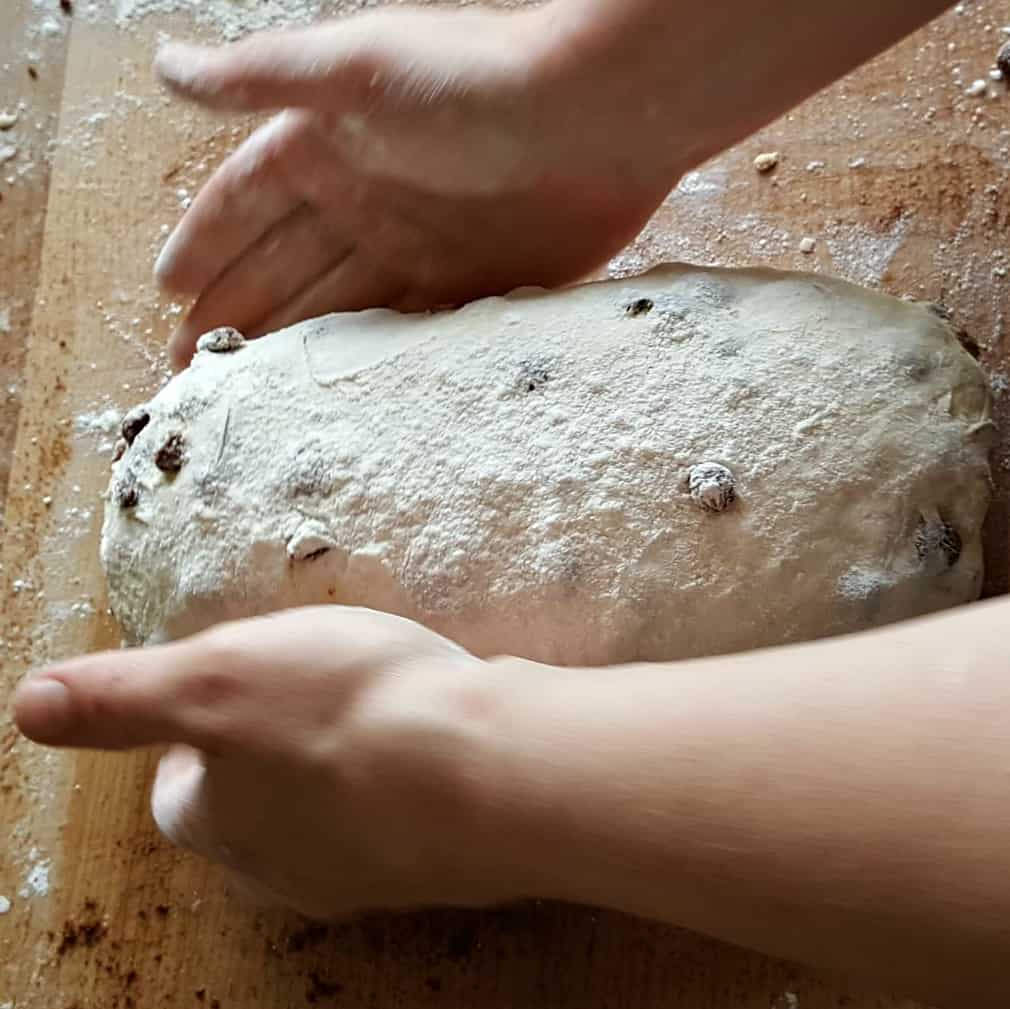
Unlike commercial yeast bread, sourdough fermentation relies on a living ecosystem of wild yeast and lactic acid bacteria. Flour is not just a dough structure-building ingredient—it is the food source for fermentation.
Understanding The flour you bake with will also impact crust development, your bread crumb, shaping and even how you steam bake.
Protein quality, starch damage, mineral content, and bran all influence:
- Fermentation speed and acidity, which is also impacted by your proofing methods.
- What Is Dough Structure in Sourdough?
- Gluten development and dough strength.
- Hydration requirements
- Crumb structure and oven spring
- Flavor complexity
If your dough behaves unexpectedly after changing flours, our Sourdough Troubleshooting Guide helps diagnose whether fermentation, hydration, gluten development, or timing is the root cause.
Also read our Guide on how to read sourdough crumb structure for more diagnostics on how sourdough flour types can change your bread crumb.
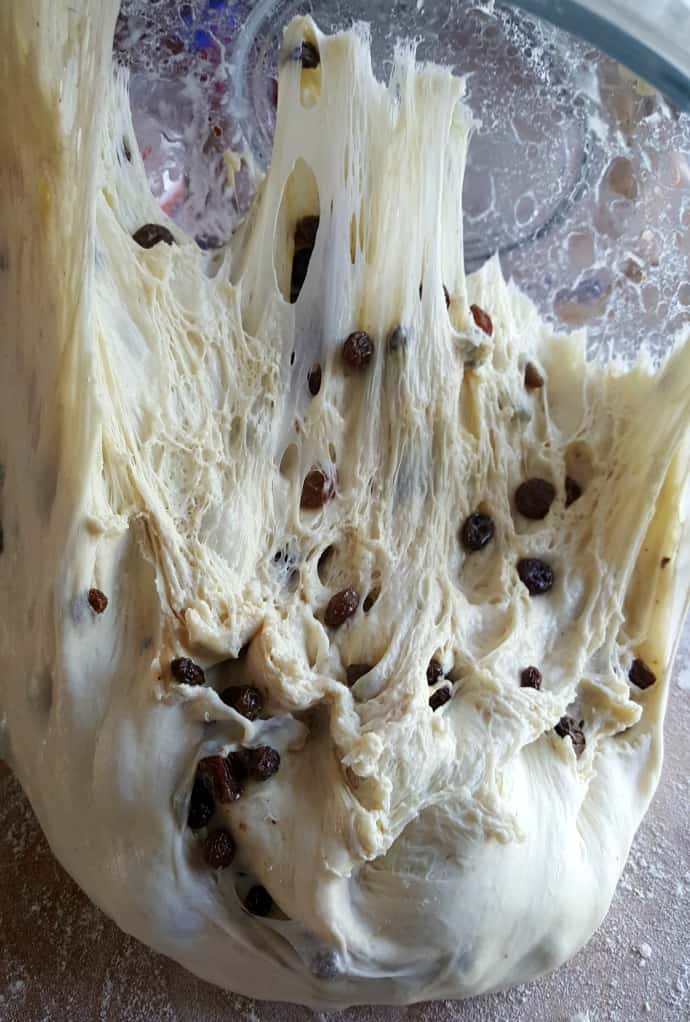
Changing sourdough flour types without adjusting the process is one of the most common reasons sourdough loaves fail. Let’s look at several different sourdough flour types.
These flours are all used regularly in sourdough recipes. And each one will affect the bake dramatically. This is why we follow recipes closely in sourdough bread baking. Right down to the flour.
Bread Flour
Typical protein: 12–14%
How Bread Flour Behaves
Bread flour provides strong, predictable gluten development and excellent gas retention. It tolerates longer fermentation and higher hydration better than most flours.
Best Uses
- Classic sourdough boules and batards
- Higher hydration doughs
- Bakers seeking consistent structure
Bread flour is often the structural backbone of sourdough flour blends, even when flavor flours are added.
All-Purpose Flour
Typical protein: 10–11.5%
How All-Purpose Flour Behaves
All-purpose flour produces a softer dough with less tolerance for long fermentation. Gluten develops more gently, and dough can weaken if fermentation is extended too far.
Best Uses
- Everyday sourdough bread
- Lower hydration recipes
- Shorter fermentation schedules
All-purpose flour can produce excellent sourdough bread, but timing and hydration must be controlled more carefully.
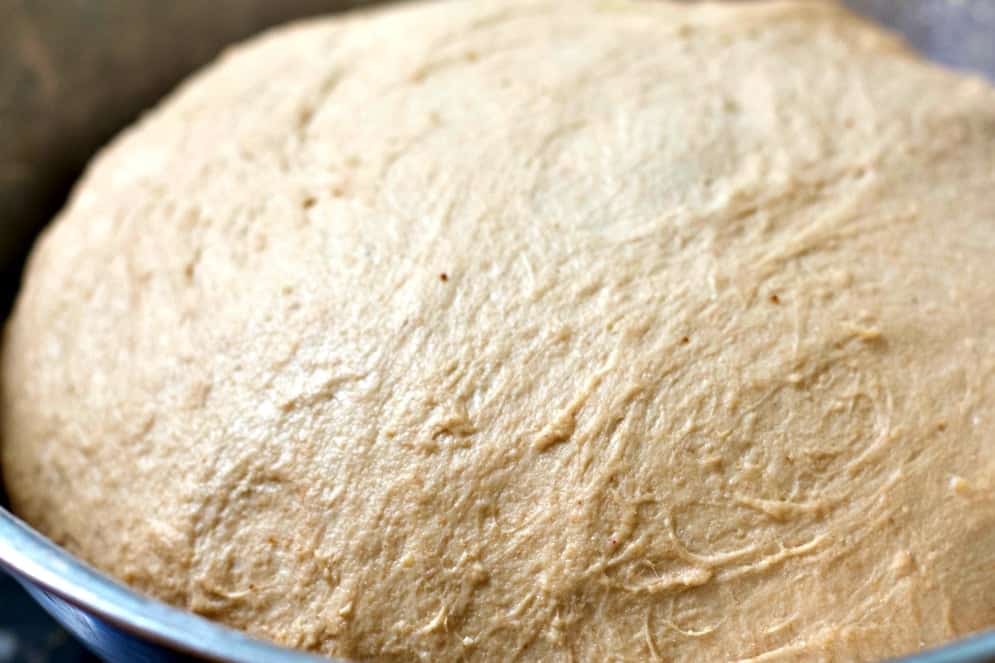
Whole Wheat Flour
Protein: 13–15% (with bran interference)
How Whole Wheat Behaves
Whole wheat flour absorbs significantly more water and ferments faster due to higher mineral content. Bran particles weaken gluten networks and change dough handling.
Best Uses
- Rustic loaves
- Blended doughs (20–50%)
- Bakers seeking nutrition and flavor
Whole wheat doughs benefit from longer autolyse, gentler handling, and adjusted fermentation timelines.
There are two types of whole wheat berries that are used for baking. White Wheat and Red wheat. They are nutritionally similar. However, especially for beginner bakers white whole wheat is much easier to work with and offers a less dense, still flavorful loaf of bread.
Again, for beginners, using a 50/50 blend of whole wheat and regular high protein bread flour will still make a good nutritious, flavorful bread with a lot easier handling.
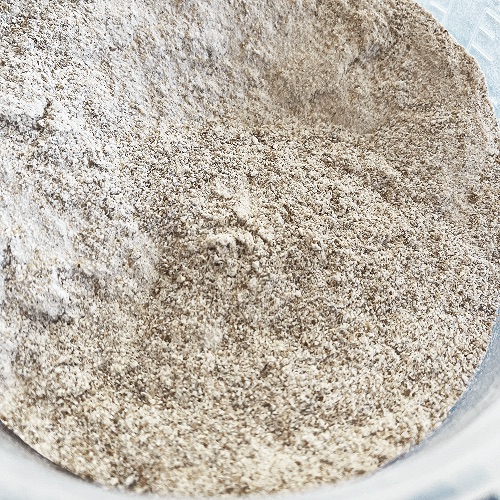
Rye Flour
How Rye Behaves
Rye contains little gluten-forming protein but is extremely active in fermentation. It increases acidity and speeds fermentation dramatically.
Best Uses
- Feeding sourdough starter
- Rye sourdough bread
- Small blend percentages (5–20%)
Even small amounts of rye can transform fermentation speed and flavor.
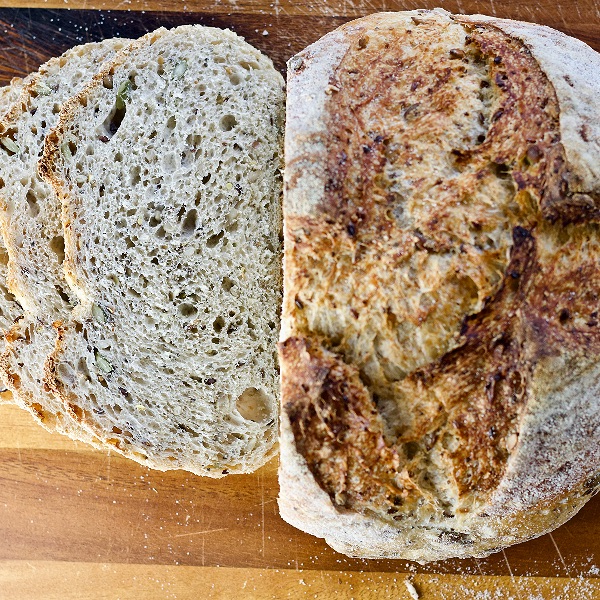
Oat Flour
How Oat Flour Behaves in Sourdough
Oat flour contains no gluten-forming proteins, but it absorbs a significant amount of water and contributes a soft, tender texture to sourdough bread. Because oats are rich in starches and soluble fiber (beta-glucans), oat flour increases dough viscosity and moisture retention without strengthening structure.
In sourdough, oat flour acts more as a hydration and texture modifier than a structural flour. It can make dough feel softer and slightly stickier, while producing a more tender crumb in the finished loaf.
Oat flour, as sourdough flour types, also ferments gently. It does not significantly accelerate fermentation like rye, but it can contribute mild sweetness and a creamy mouthfeel when used in small percentages.
Best Uses
- Blended sourdough loaves (5–20%)
- Soft sandwich-style sourdough
- Oatmeal or porridge sourdough breads
- Bakers seeking tenderness and moisture retention
Oat flour works best when paired with a strong base flour, such as bread flour, to provide structure.
Important Considerations When Using Oat Flour
Because oat flour contains no gluten, higher percentages will weaken dough structure and reduce oven spring. Most bakers achieve the best results by limiting oat flour to no more than 20% of total flour, unless the recipe is specifically designed for it.
Oat flour absorbs water slowly and continues hydrating during fermentation. Doughs containing oats may feel manageable at mixing but soften later, especially during long cold fermentation. Reducing overall hydration slightly or incorporating oats as a porridge can improve consistency.
For bakers grinding oats at home, finely milled oat flour performs better in sourdough than coarse oat meal, which can disrupt dough structure.
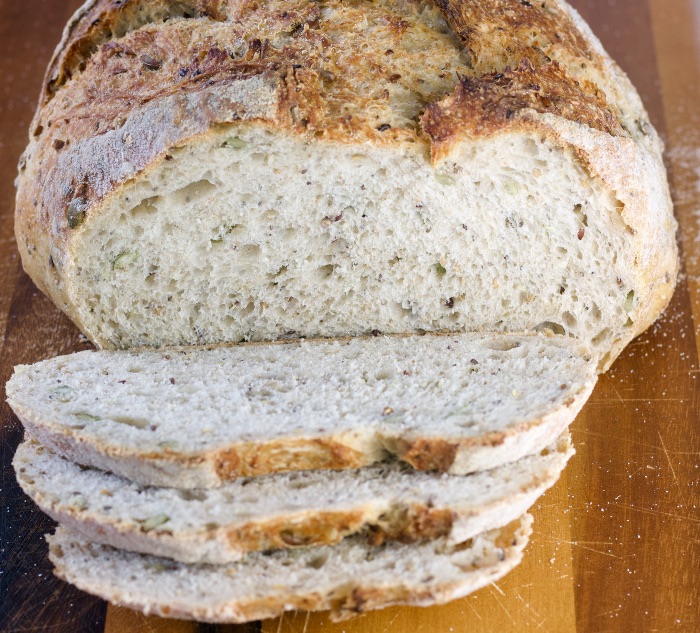
Advanced Technique: Oat Flour as a Functional Modifier
Experienced bakers can use oat flour strategically to adjust crumb tenderness and moisture retention without increasing hydration. Small amounts of oat flour can soften crumb and extend shelf life while preserving structure when balanced with strong flour and proper fermentation.
Because oat flour contributes starch but not gluten, it should be treated as a functional modifier, similar to rye or spelt, rather than a primary flour.
Oats—whether used as flour or as rolled oats—contribute moisture retention and crumb tenderness in sourdough, as demonstrated in our Sourdough Oatmeal Bread Recipe. While oat flour and rolled oats are not interchangeable, both contribute starches and soluble fiber that increase moisture retention and soften crumb when used in sourdough.
Ancient Grain Flours (Spelt, Einkorn, Emmer)
How Ancient Grains Behave
Ancient grains have fragile gluten structures and ferment quickly. Dough becomes extensible early but can collapse if overworked or over-fermented.
Best Uses
- Blended sourdough loaves
- Bakers prioritizing digestibility
- Shorter fermentation schedules
Ancient grains require reduced hydration and careful fermentation control.

Other low-gluten grains such as barley or corn are typically used only in small percentages or specialty breads and are better treated as flavor or texture additions rather than structural sourdough flour types.
Advanced Flour Considerations (For Experienced Bakers)
The following sections address flour behavior at a deeper level and are intended for bakers who already work confidently with sourdough.
Protein Percentage vs Functional Gluten Strength
Protein percentage alone does not determine dough strength. Wheat variety, milling method, and protein quality all influence how well gluten networks retain gas over time.
Fresh-milled flour often shows strong early dough development but weakens faster during fermentation. This is a functional gluten issue, not a hydration problem.
Experienced bakers should evaluate dough strength by extensibility and elasticity during bulk fermentation rather than relying on protein numbers printed on packaging.
Ash Content and Fermentation Activity
Ash content reflects the mineral content of flour and is influenced by how much bran and germ remain after milling. Higher-ash flours—such as whole wheat, high-extraction, and fresh-milled flour—provide more nutrients for fermentation, which often accelerates activity and increases acidity. This can overwhelm a weak or underdeveloped starter.
As ash content in flour increases, fermentation speeds up, acidity rises, and fermentation windows shorten. Bakers working with higher-ash flours must often shorten bulk fermentation or reduce inoculation to maintain structure and balance.
As ash content increases:
- Fermentation speeds up
- Acidity increases
- Fermentation windows shorten
Advanced bakers must shorten bulk fermentation or reduce inoculation when using higher-ash flours. Know your sourdough flour types and through experience you will get great results from your home milled flours.
Bran Interference and Gluten Development
Bran physically disrupts gluten formation by cutting strands during mixing and folding. This explains why whole-grain doughs often lose strength late in fermentation.
Extended autolyse, gentler handling, and time-based gluten development are more effective than aggressive mixing when working with bran-rich doughs.
Fresh-Milled Flour Behavior
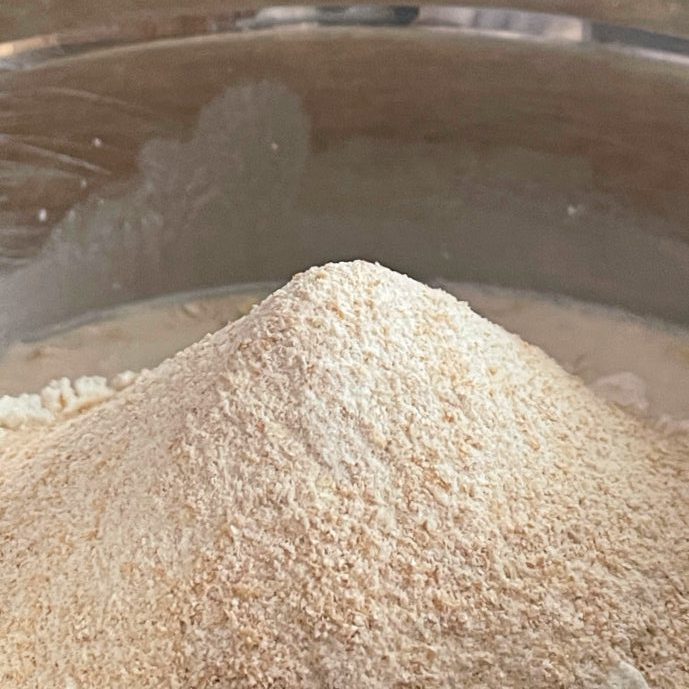
Fresh-milled flour has high enzymatic activity in flour and variable particle sizes. Dough often absorbs water unevenly and ferments faster than expected. Faster fermentation often increases acidity, especially during extended or cold sourdough fermentation.
Key adjustments for fresh-milled flour:
- Start with lower hydration
- Shorten fermentation timelines
- Rely on dough cues, not the clock
Each batch of fresh-milled flour behaves differently depending on grain variety and milling fineness.
Designing Flour Blends for Function
Experienced bakers benefit from thinking in terms of functional roles rather than percentages alone:
- Base flour: provides structure
- Flavor flour: increases complexity and fermentation activity
- Modifier flour: alters extensibility and speed (rye, spelt)
Even 5–15% of a modifier flour can dramatically change dough behavior.

Adapting Process to Flour (Not the Other Way Around)
As flour becomes more complex, process must become more flexible. Hydration, fermentation timing, and handling should adapt to flour choice rather than forcing flour to match a fixed formula. Salt is another key variable that affects dough strength and fermentation control (especially when changing flour types). See: Salt in Sourdough Bread: Why It Matters.
Mastery in sourdough baking comes from understanding how flour drives fermentation and structure—and adjusting technique intentionally.
Common Flour-Related Sourdough Problems
- Dough ferments faster than expected → high ash or fresh-milled flour
- Dough weakens late in bulk → bran interference or fragile gluten
- Excess acidity → high mineral content or rye inclusion
- Sticky dough → hydration mismatch (read our hydration guide Here)
- Incomplete gluten development
Diagnosing flour-driven issues prevents unnecessary starter or oven adjustments.
Sourdough Flour Types-Frequently Asked Questions:
What is the best flour for sourdough bread?
There is no single “best” flour for sourdough bread. Bread flour is a reliable starting point because it provides strong gluten development, but all-purpose, whole wheat, rye, and ancient grain flours can all produce excellent sourdough when hydration, fermentation, and handling are adjusted appropriately.
Can I mix different flours in sourdough baking?
Yes. Many sourdough bakers blend flours to balance structure and flavor. Strong bread flour is often used as a base, while whole wheat, rye, or ancient grains are added in smaller percentages to increase fermentation activity and complexity without weakening dough structure.
Why does whole wheat sourdough dough feel wetter or weaker?
Whole wheat flour absorbs more water due to its bran and germ content, but those same bran particles interfere with gluten development. This combination can make dough feel wetter and lose strength more quickly unless hydration, fermentation time, and handling are adjusted.
Does fresh-milled flour change sourdough fermentation?
Yes. Fresh-milled flour typically ferments faster because it contains higher mineral content and enzymatic activity. Dough made with fresh-milled flour often requires lower hydration, shorter fermentation, and closer observation to prevent over-proofing.
Does higher protein flour always make better sourdough bread?
Not always. Protein percentage alone does not determine dough strength. Wheat variety, milling method, and protein quality all influence gluten performance. Some high-protein flours weaken during long fermentation, while lower-protein flours can perform well when properly fermented.
Why does my sourdough behave differently when I change flour brands?
Different flour brands use different wheat varieties, milling processes, and extraction levels. These differences affect hydration absorption, fermentation speed, and gluten development, which can change dough behavior even when the recipe stays the same.
Final Thoughts
Flour is the foundation of sourdough baking. Understanding how different flours affect fermentation, hydration, and structure allows bakers at every level to move from following recipes to making informed decisions.
Whether you bake with commercial flour or mill your own grain, success comes from observing dough behavior and adapting process intentionally. This sourdough flour types guide is meant to give you some information on basic flour types and help you get started learning how flour choices and blends can and do affect the final loaf.
Feel free to ask your questions in the comment section below. We will do our best to help you find the answers. Happy Baking!What Is Dough Structure in Sourdough?What Is Dough Structure in Sourdough?