
What is Good To Freeze Dry? Best Foods and Foods to Avoid
As an Amazon Associate and member of other affiliate programs we earn a small commission from qualifying purchases through our affiliate link. For more information read our Entire Affiliate Disclosure.
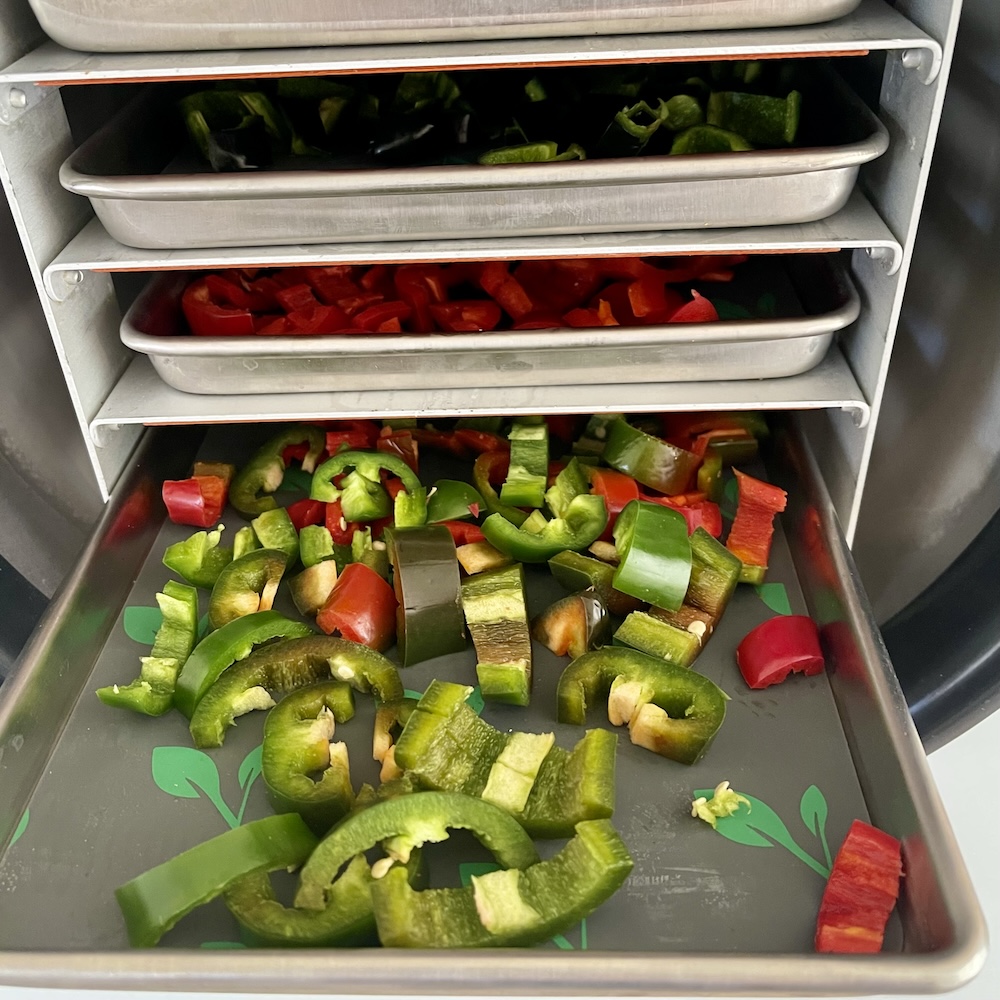
If you are new to freeze drying, one of your first questions will probably be: What is good to freeze dry?
The short answer is that an astonishing variety of foods can be freeze dried. However, that does not mean every food dries efficiently, rehydrates well or is suitable for long-term storage.
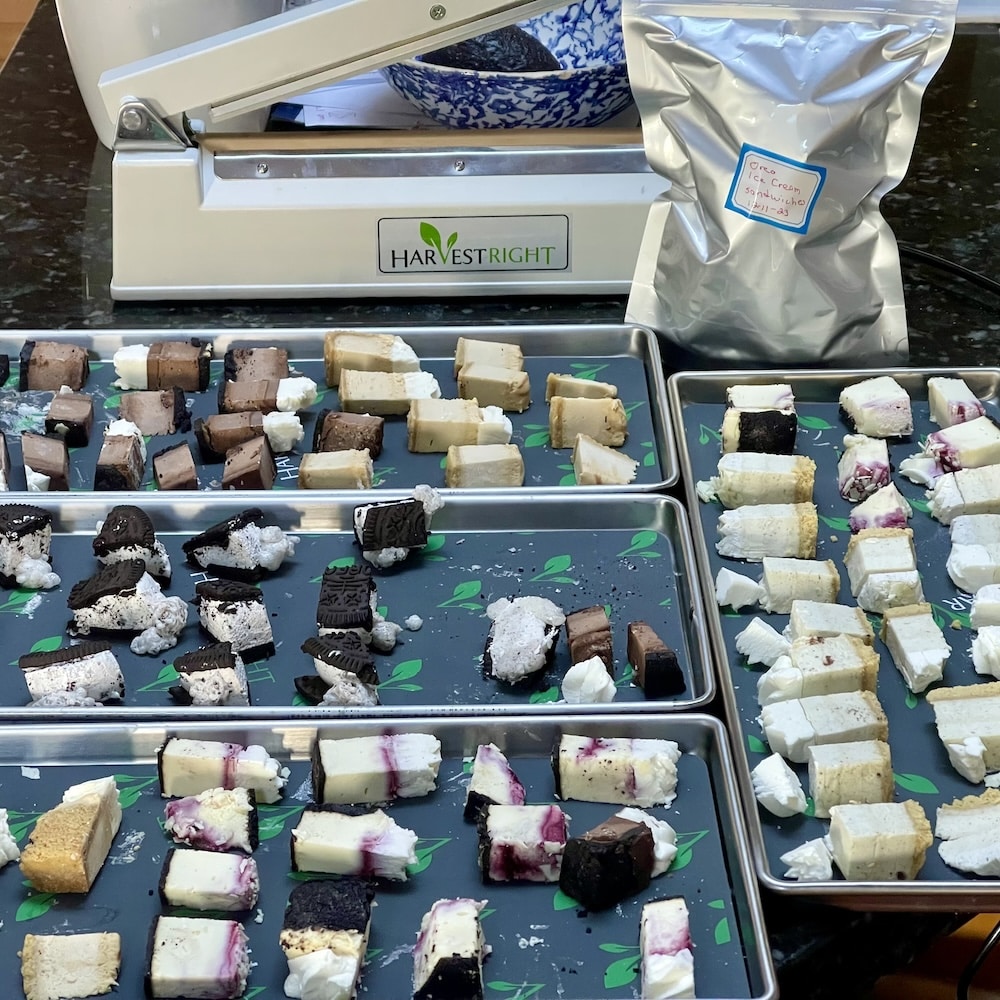
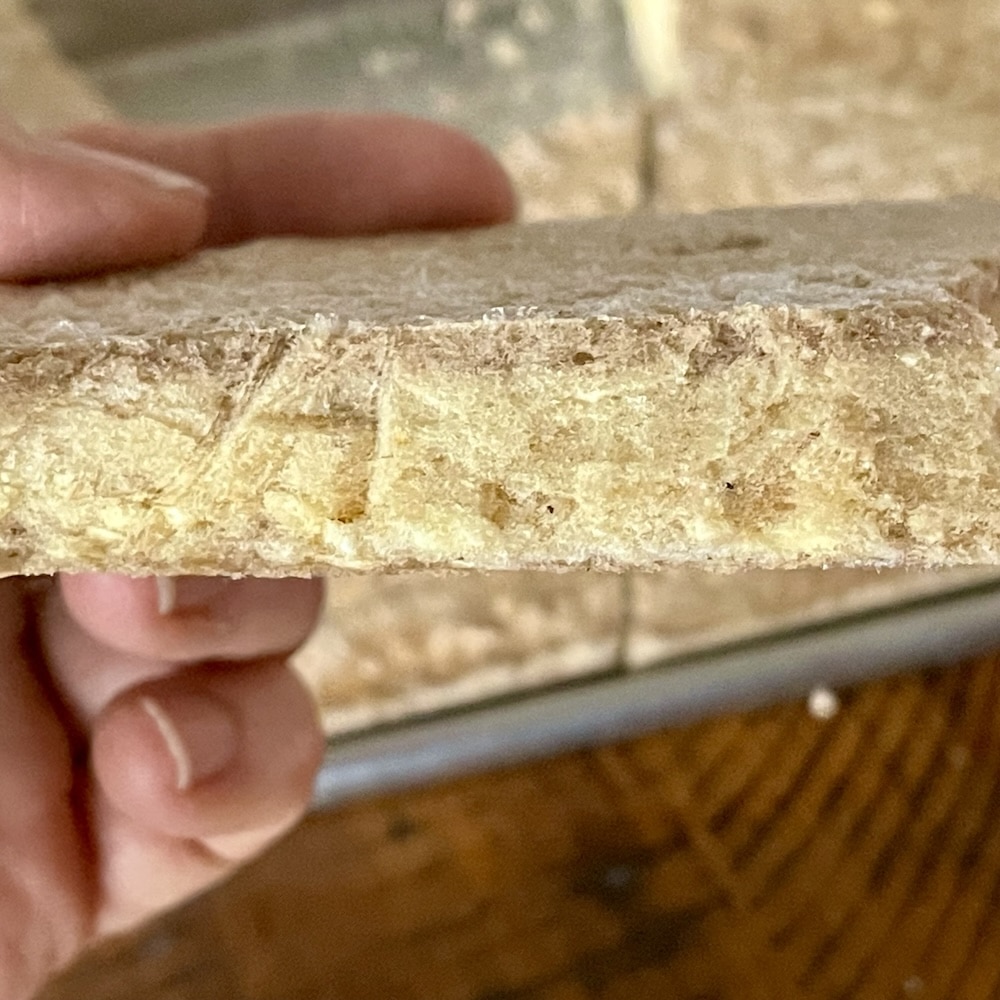
Fruits, vegetables, lean meats, pasteurized or fully cooked eggs and egg dishes, dairy products, herbs, sauces, soups and complete cooked meals can all be good candidates. Freeze drying done correctly transforms candy, ice cream sandwiches, cheesecake and other desserts into lightweight, crisp treats.
Foods containing very large amounts of fat or sugar are more challenging. Some will not freeze dry successfully on their own, while others may dry but have disappointing texture, poor rehydration or a much shorter useful storage life. This includes high fat meats, like salami, and unfortunately most chocolates.
Reviewed and updated October 2026: We revised this article to reflect current research-based guidance about home freeze drying, food safety, food quality and storage. It also includes what we have learned through our own experience using a home freeze dryer.
The best food to freeze dry is ultimately food that:
- processes successfully in your machine,
- retains qualities you value,
- can be packaged and stored appropriately,
- and will actually be used by your household.
This guide will help you identify foods that generally freeze dry well, foods that require special preparation and foods that are usually better preserved another way. Be sure to read all of our posts on freeze drying. You can find them in our Freeze Drying Hub.
Food-safety reminder: Freeze drying removes available water, but it does not reliably cook or sterilize food. Raw meat remains raw, and foods requiring a microbial kill step still need to be cooked safely before or after freeze drying. Read our complete guide to Freeze Drying Food Safety before processing raw animal foods or preparing ready-to-eat meals.
Why Freeze Dry Food?
A home freeze dryer first freezes food and then removes frozen water under vacuum. Much of that water leaves the food through sublimation—ice changing directly into water vapor. This is very different from how dehydrating food works. Learn more in our guide to Freeze Drying vs. Dehydrating.
This process creates the characteristic light, porous structure of freeze-dried food. Many foods retain much of their original shape, color and flavor, while becoming dramatically lighter and easier to store or transport.
You can learn more about the process in How Does Freeze Drying Work?.
Freeze drying gives home cooks and food preservers more options. It is particularly useful for:
- preserving garden harvests and seasonal produce,
- saving wholesome leftovers before they are wasted,
- storing complete homemade meals,
- making lightweight food for camping or hiking,
- creating shelf-stable ingredients and powders,
- reducing dependence on freezer space,
- and building a flexible household food supply.
Once completely dry and properly packaged, many freeze-dried foods can be stored without continuous refrigeration or freezer electricity. However, shelf life varies considerably according to the food, residual moisture, fat content, packaging, oxygen exposure, light and storage temperature.
A food can be successfully freeze dried and shelf stable without necessarily being suitable for 25 years of storage. So build your long term and short term food pantries around those longevity expectations. Learn about Freeze Drying Food Storage Both Long and Short Term here.
When Is Freeze Drying Worth It?
Freeze drying is most valuable when it solves a practical problem in your kitchen. It can preserve a garden harvest, save wholesome leftovers, reduce dependence on freezer space, create lightweight camping meals, or turn sauces and purées into compact pantry ingredients.
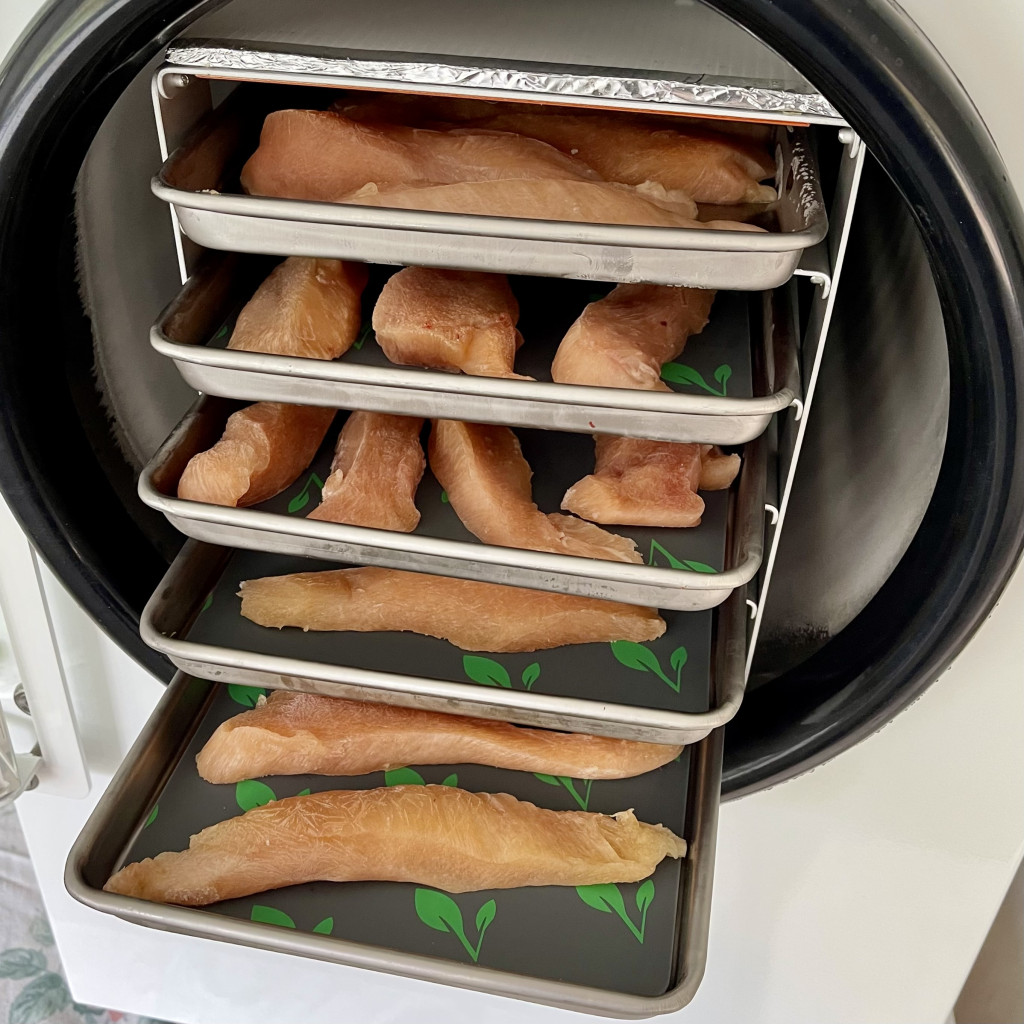
Many foods retain excellent color, flavor and shape. Some rehydrate surprisingly close to their original form, while others are more useful as crisp snacks, powders or ingredients added to cooked dishes. Nutrient retention can also be very good, but it varies with the food, preparation, processing conditions, packaging and storage. There is no single retention percentage that applies to every freeze-dried food.
Because a home freeze dryer is expensive to purchase and operate, the best foods to process are not simply everything the machine can dry. Concentrate on foods your household will actually use, foods that are expensive to purchase commercially, foods you grow or obtain economically, and wholesome food that might otherwise go to waste.
If you are still deciding whether the investment suits your household, read our guide to Considering a Freeze Dryer for Home Use.

Read this post to learn more about the proper materials and equipment used in home freeze drying.
What Is Good to Freeze Dry?
Foods that produce the best results generally contain enough water to develop a light, porous structure during freeze drying, but not so much fat or concentrated sugar that complete drying becomes difficult.
Before selecting a food, consider how you intend to use it:
- Will you eat it dry as a snack?
- Will you rehydrate it and serve it much as it was originally prepared?
- Will you powder it and use it as an ingredient?
- Will you add it directly to soups, sauces or other cooked dishes?
- Is it intended for routine pantry use or extended storage?
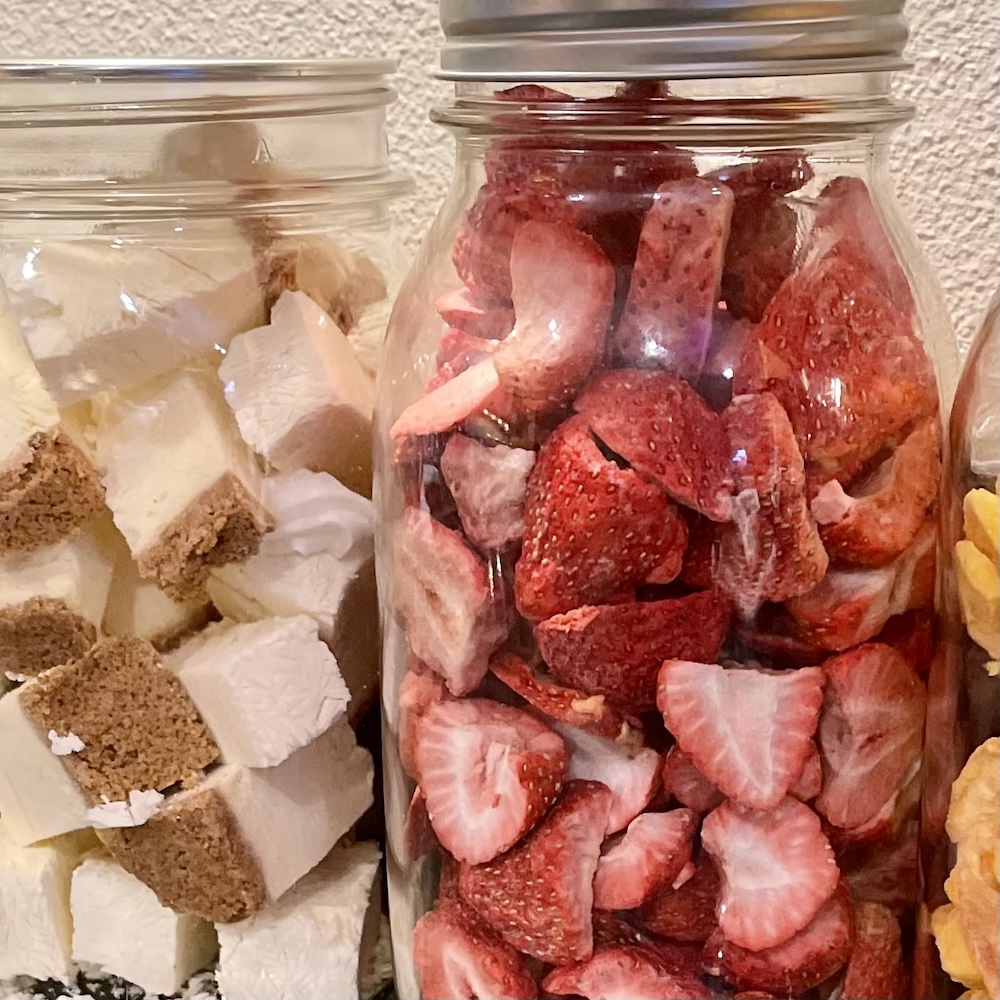
The answer often determines whether a food is worth the machine time and energy. Freeze-dried strawberries, for example, make excellent dry snacks but can also be powdered for baking. Cooked mashed potatoes rehydrate well as a side dish, while freeze-dried pumpkin purée may be most useful as a powder or recipe ingredient.
Use Your Freeze Dryer to Reduce Food Waste
A home freeze dryer can help stretch the household food budget when it is incorporated into normal meal and harvest planning.
Keep it in mind when you have:
- wholesome leftovers,
- an abundant garden harvest,
- discounted food that can be processed promptly,
- produce shared by friends and neighbors,
- or enough ingredients to prepare a double batch of a meal.
Local gleaning organizations and food-sharing networks may also provide access to surplus produce that would otherwise be wasted.
A neighbor occasionally brings me brown-spotted organic bananas and other produce from a local restaurant. I sort through it immediately, selecting food that is still wholesome enough to preserve. Anything spoiled or unsuitable goes to his chickens.
The usable produce can be freeze dried, and I can share some of the finished food back with him. It is a practical arrangement that reduces waste and benefits both households.
Brown-spotted, very ripe bananas can be excellent candidates for freeze drying. Moldy, fermented or questionably handled bananas are not. Freeze drying should preserve wholesome food—not attempt to rescue spoiled food.
Freeze Drying the Garden Harvest
Freeze drying is particularly useful for home gardeners because it creates options beyond filling the freezer or running several canner loads during the busiest part of harvest season.
We use garden produce in many forms, including:
- homemade marinara sauce,
- pumpkin purée,
- winter squash,
- sliced apples,
- strawberries,
- peppers,
- herbs,
- and cooked mashed potatoes.
Some are stored as pieces, some are powdered and others are rehydrated for meals. Freeze drying does not need to replace canning, freezing or dehydrating. It gives the home preserver another way to match the food with its eventual use.
Freeze-Dried Powders Can Become Useful Recipe Ingredients
Freeze-dried powders are useful for much more than smoothies.
Many cooked fruits, vegetables, sauces and purées can be freeze dried, ground into powder and later rehydrated for recipes. This can turn bulky garden produce into compact pantry ingredients while allowing you to reconstitute only the amount you need.
Pumpkin purée is a good example. Cooked pumpkin purée can be spread thinly on freeze-dryer trays, dried completely and ground into powder. Later, the powder can be rehydrated and used in:
- pumpkin pie,
- pumpkin bread and muffins,
- pancakes and waffles,
- soups and sauces,
- pasta fillings,
- and other recipes that normally call for canned pumpkin.
This gives home gardeners another way to preserve pumpkin without storing large quantities in the freezer or opening an entire can when only a small amount is needed.
Other versatile freeze-dried powders include:
- Tomato sauce or tomato purée powder for sauces, soups, chili and casseroles
- Berry powders for frostings, fillings, yogurt, oatmeal and baked goods
- Vegetable powders for soups, sauces, seasoning blends and adding color or flavor
- Herb powders for dressings, seasoning blends and cooked dishes
- Selected dairy powders for recipes when the original product was pasteurized and freeze dried successfully
The amount of water needed for rehydration varies with the food and the concentration and consistency of the original purée. Add water gradually, mix thoroughly and allow the food time to absorb it before adding more.
For pumpkin pie and other recipes in which moisture balance matters, rehydrate the powder to approximately the consistency of the original purée first. Then measure the rehydrated purée according to the recipe. Adding dry pumpkin powder directly to a baking recipe without accounting for the water it will absorb can change the texture of the finished food.
Only powder food after confirming that it is completely dry. Package the powder immediately because its increased surface area allows it to absorb atmospheric moisture quickly. Once rehydrated, treat perishable foods as perishable again and refrigerate them as appropriate.
What Foods Are Best for Freeze Drying?
The following table provides a practical starting point. Individual results vary with the food, preparation, tray loading, machine and intended storage period.

| Food category | Foods and preparation that generally work well |
|---|---|
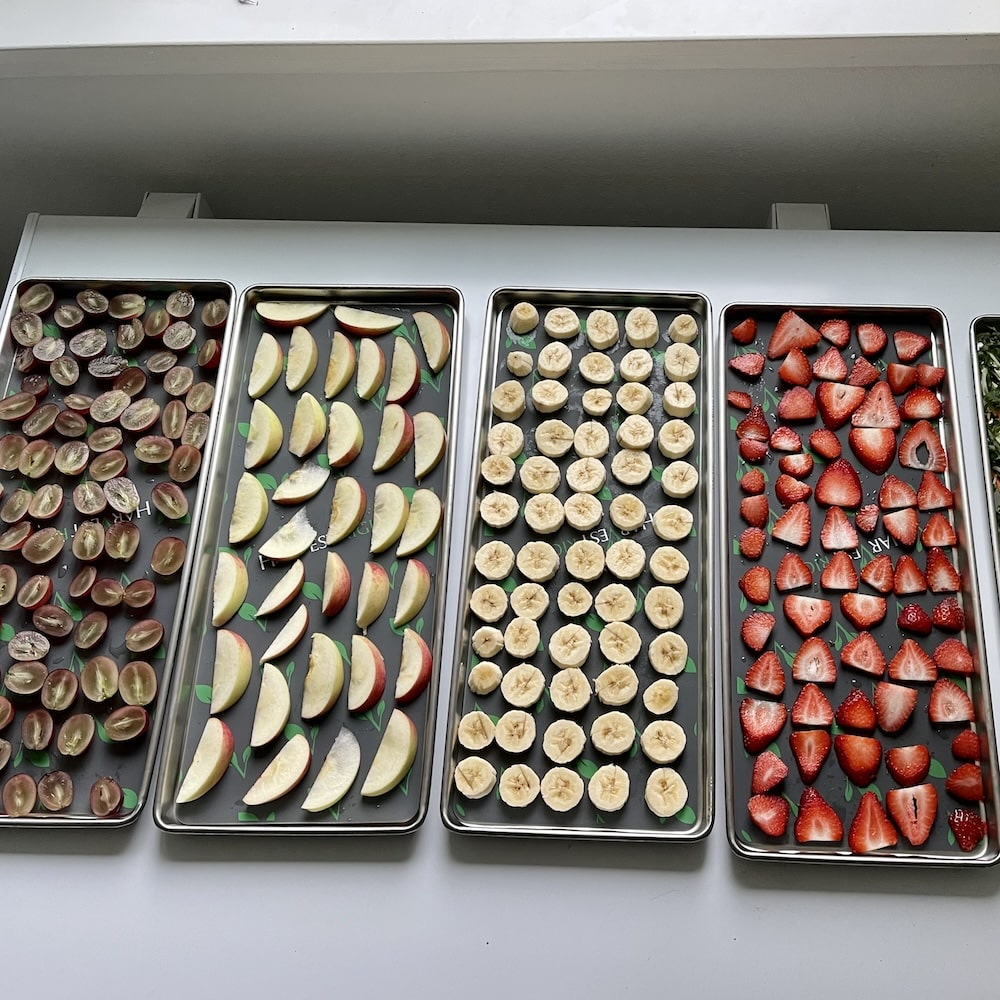
| Fruits | Apples, bananas, berries, peaches, pears, pineapple, mango and many other fruits can produce excellent snacks, powders and recipe ingredients. Wash them carefully and slice or prepare them so they can dry evenly. Fruits with thick or waxy skins may need to be cut, pierced or peeled. Very sugary fruit may remain slightly sticky or require additional drying time. |
| Vegetables | Peas, corn, carrots, green beans, peppers, tomatoes, squash, pumpkin and many other vegetables can freeze dry successfully. Current Extension guidance recommends blanching or steaming vegetables when appropriate to control enzymes and help preserve quality. Cut pieces evenly and cook starchy vegetables such as potatoes before processing. |
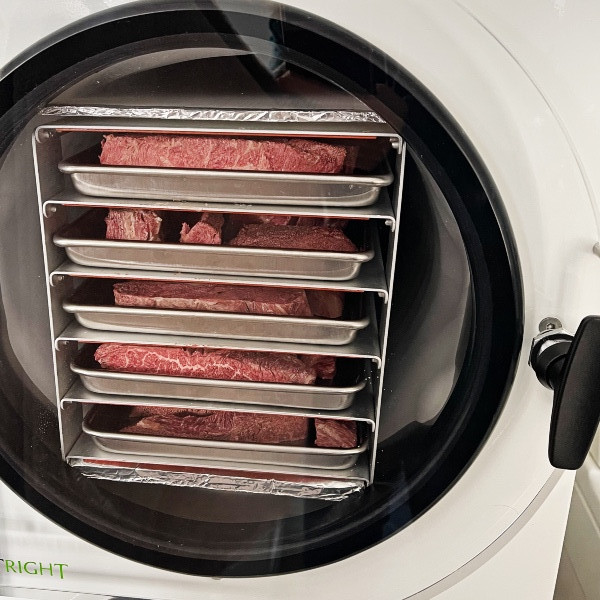
| Cooked meats and poultry | Lean, fully cooked beef, poultry and pork can work very well. Trim visible fat and drain ground meat thoroughly because fat can become rancid during storage. Cook animal foods to their appropriate safe internal temperatures before freeze drying. |
| Cooked seafood | Lean, fully cooked seafood can be freeze dried, although results and storage life vary with fat content. Follow safe seafood handling and cooking practices before processing. |
| Cooked meals | Casseroles, pasta dishes, rice dishes, breakfast dishes and other complete meals can be excellent candidates, particularly when they are not excessively oily. Prepare the meal safely, cool and hold it at safe temperatures, and spread it evenly on the trays. |
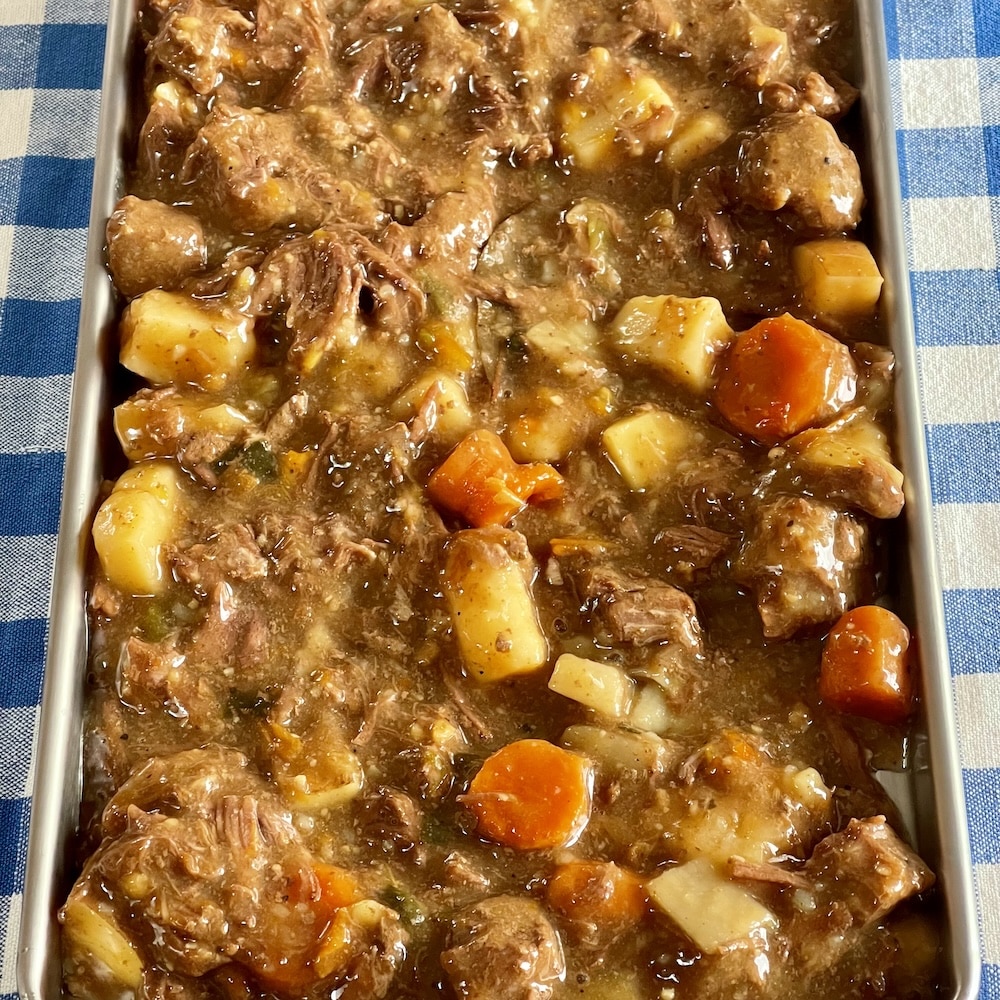
| Soups and stews | Homemade soups and stews can become lightweight meals for household storage, camping or emergency use. Lower-fat recipes generally store better. Freeze them in manageable portions and plan how much water will be needed for rehydration. |
| Sauces and purées | Tomato sauce, salsa, pumpkin purée and other lower-fat sauces and purées can be spread thinly, freeze dried and broken into pieces or powdered. Emulsified and high-fat sauces may separate or dry poorly. |
| Pasteurized dairy products | Pasteurized milk, yogurt, sour cream and selected cheeses can be processed, but fat content affects drying and storage life. Lower-fat dairy products are generally better candidates for longer storage than high-fat cheeses and cream-based foods. |
| Eggs and cooked egg dishes | Use pasteurized liquid eggs or fully cooked eggs and egg dishes. Utah State University Extension currently advises against home freeze drying raw shell eggs because Salmonella can survive the process. |
| Cooked beans and starches | Cooked beans, rice, pasta, potatoes and other starches can freeze dry and rehydrate well. Cooking before drying generally improves their texture and usefulness. Dry grains and beans may be safe to process, but because they already contain little moisture, freeze drying them may not be an efficient use of the machine. |
| Herbs and selected spices | Garden herbs can be freeze dried whole or chopped and later crumbled or powdered. Compare the result and machine cost with conventional drying or freezing before deciding which method is worthwhile. |
| Safely fermented foods | Some fermented foods can be freeze dried after fermentation has been completed safely. Flavor, texture and the activity of living cultures may change during processing and storage. Freeze drying cannot correct an unsafe fermentation. |
| Candy | Many candies expand and become light and crisp, making them popular novelty foods. Results vary significantly by formulation and brand. Chocolate, caramel, very oily fillings and some extremely sugary candies may melt, remain sticky or fail to dry properly. |
| Desserts | Ice cream sandwiches, cheesecake pieces and selected baked or creamy desserts can produce enjoyable treats. These foods should be viewed primarily as short- or moderate-term novelty foods rather than automatically assumed to be suitable for decades of storage. |
Can You Freeze-Dry Raw Meat and Eggs Safely?
Current Extension recommendations for raw animal foods are not completely uniform. University of Minnesota Extension discusses freeze drying meat, poultry and seafood either raw or cooked, while emphasizing that freeze drying has no heat-treatment step capable of killing illness-causing microorganisms. Utah State University Extension’s current food-category guidance recommends fully cooking meat, poultry and seafood before home freeze drying and using pasteurized liquid eggs or fully cooked eggs.
For most home preservers, cooking animal foods before freeze drying is the simplest and most conservative approach.
Any raw animal food that has already been freeze dried must still be treated as raw food. Mark the package prominently:
RAW—MUST BE COOKED BEFORE EATING
Include the type of food, processing date and cooking instructions. After rehydration, refrigerate and handle the food as you would the original raw product and cook it to the appropriate safe internal temperature.
For a complete explanation of the risks, current guidance and safe handling practices, read our Freeze Drying Food Safety guide.

What Foods Should Not Be Freeze Dried?
Not every difficult food belongs on the same “do not freeze dry” list.
Some foods raise food-safety concerns under current home-preservation guidance. Others contain so little removable water that freeze drying is ineffective. Still others can be freeze dried, but their texture, rehydration or storage life may not justify the processing time.
Understanding those differences is more useful than treating every challenging food as completely impossible.
Foods That Generally Do Not Freeze Dry Effectively
Freeze drying removes water. It does not remove fat, and it cannot effectively process foods that remain liquid or syrupy instead of freezing into a structure from which water can escape.
Pure Fats and Oils
Do not attempt to freeze dry:
- butter,
- cooking oil,
- lard,
- shortening,
- or other nearly pure fats.
These foods contain very little water for the freeze dryer to remove. They will remain oily and continue to be vulnerable to oxidation and rancidity.
This does not mean that every food containing butter or oil is unsuitable. A casserole, sauce or dessert containing a moderate amount of fat may still freeze dry. The total formulation and intended storage period matter.
Nut Butters and Other High-Fat Spreads
Peanut butter and other nut or seed butters are primarily fat and solids. They do not become properly dry, porous products in a home freeze dryer.
Small amounts incorporated into another food may be possible, but the fat will remain in the finished product and can shorten its storage life.
Mayonnaise and Oil-Based Dressings
Mayonnaise, aioli and oily salad dressings are poor candidates because of their high fat content and emulsified structure. They may separate, remain greasy or fail to dry completely.
A food containing a modest amount of mayonnaise may behave differently, but mayonnaise itself should not be expected to become a stable dry powder.
Honey, Syrups, Jams and Jellies
Honey, maple syrup, corn syrup, thick dessert syrups, jams and jellies contain concentrated sugars that hold water strongly and resist freezing and drying.
They may remain sticky, expand unpredictably or fail to become completely dry. Small amounts incorporated into another food may process successfully, but a thick layer or topping can remain problematic.
For example, raspberry-swirled cheesecake may freeze dry successfully when a small amount of jam is distributed throughout the filling. A heavy layer of jam on top may stay sticky and prevent satisfactory drying.
Pure Chocolate
Chocolate contains substantial fat and sugar but very little removable water. It generally will not transform into a light, porous freeze-dried food.
Depending on the formulation and machine conditions, it may soften, become oily, develop bloom or remain much as it was. Chocolate incorporated into another food may be successful, but a solid chocolate bar gains little from freeze drying.
Foods Containing Significant Alcohol
Alcohol freezes at a much lower temperature than water and can interfere with normal home freeze-dryer operation. Avoid processing alcoholic beverages or foods containing substantial amounts of alcohol unless the manufacturer of your particular machine specifically approves the product and provides instructions.
Foods That Can Be Freeze Dried but May Be Challenging
The following foods are not necessarily prohibited. They simply require preparation, additional drying time, shorter storage expectations or a different plan for using the finished food.
Fatty Meats
Salami, pepperoni, bacon and other fatty meats contain less removable water and more fat than lean meats. The fat remains after drying and can coat the trays, make grinding difficult and become rancid during storage.
I have freeze dried salami and pepperoni. They processed, but the machine was messy and the results were not useful enough for me to recommend them for long-term storage.
For better results with meat:
- begin with fully cooked meat,
- choose lean cuts,
- trim visible fat,
- drain cooked ground meat thoroughly,
- and plan a shorter storage period for foods containing substantial fat.

Avocado and Guacamole
Avocado contains considerable fat but can still be freeze dried because it also contains water.
I have freeze dried avocado both by itself and as guacamole. It dried successfully, although it took considerable time. Cubed avocado was difficult to rehydrate evenly, so powdering or finely crumbling it may be more useful than storing large pieces.
Because of its fat content, freeze-dried avocado should be considered a shorter-term pantry food rather than an automatic candidate for decades of storage.
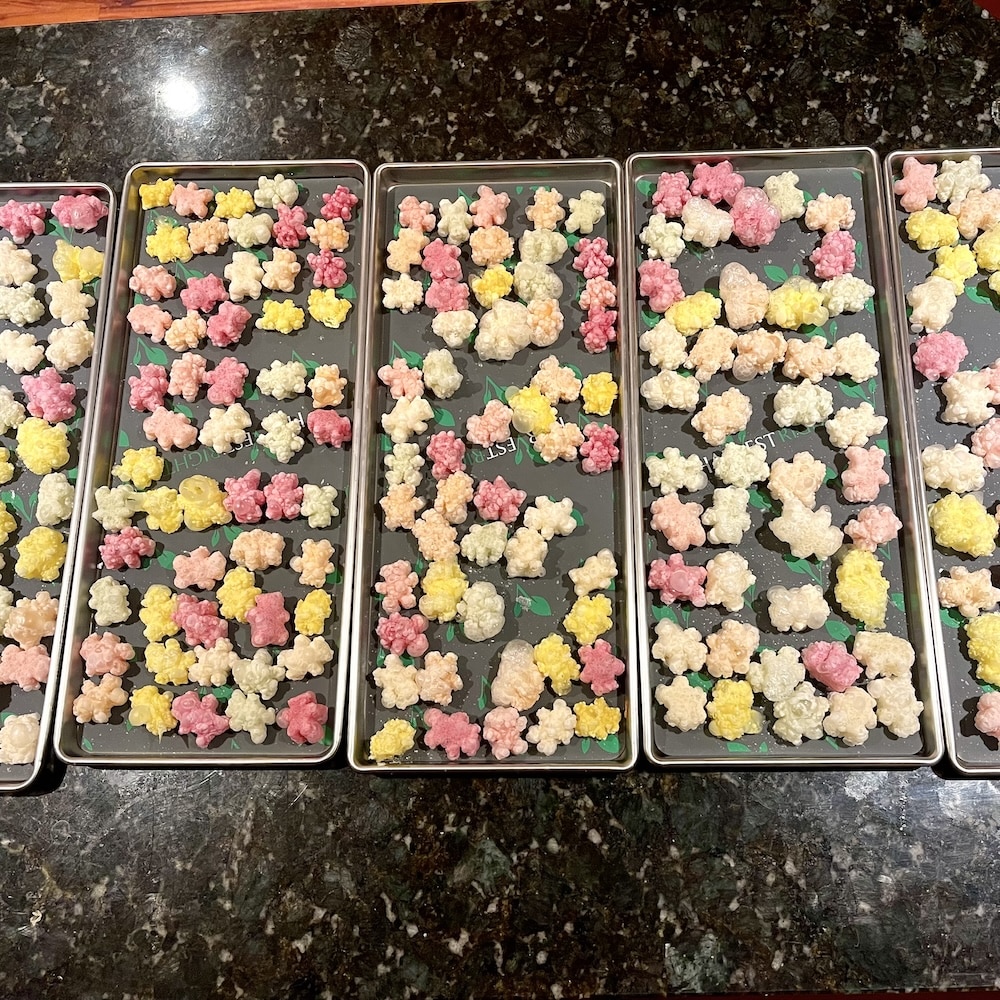
High-Sugar Candy
Freeze-dried candy is popular, but the results vary enormously by candy type, formulation and brand.
Some candies puff and become crisp. Others melt, split, remain sticky or barely change. Caramels, gummies and filled candies may perform very differently even when they appear similar.
Candy is best approached as an experimental novelty food. Begin with a small batch and follow your machine manufacturer’s guidance rather than assuming every candy will behave like examples seen online.
Very Juicy Fruits
Watermelon, pineapple and other juicy fruits can be freeze dried. Their high water content simply means that the machine must remove more water, potentially producing a longer cycle.
Cutting them into reasonably small, even pieces helps. The finished texture and the amount of machine time required will determine whether the result is worthwhile for your household.
Very Sweet Fruits
Some fruits contain enough natural sugar to remain slightly flexible, tacky or chewy rather than becoming brittle.
That does not necessarily mean they are still wet. However, it can make determining dryness more difficult. Check the interior of several pieces carefully and distinguish natural stickiness from residual moisture before packaging.
Leafy Greens
Lettuce, spinach, kale and other greens can become extremely brittle after freeze drying.
That makes them poor candidates for recreating a fresh salad, but potentially excellent candidates for powders, soup ingredients, sauces, seasoning blends and additions to smoothies.
The question is not whether leafy greens can be freeze dried. It is whether their final form suits the way you intend to use them.
Cooked Potatoes and Other Starches
Raw potatoes are not ideal for freeze drying. Blanching or cooking helps control enzyme activity and generally produces a better finished product.
Cooked potato slices, cubes and mashed potatoes can freeze dry well. Mashed potatoes are especially useful because they spread evenly and can be rehydrated as a side dish or used as a thickening ingredient.
Rice, pasta and beans also generally rehydrate better when cooked before freeze drying.
Baked Goods
Bread, rolls, cake, cookies and other baked foods can be freeze dried, but they do not necessarily return to a fresh-baked texture when water is added.
Some are enjoyable as crisp snacks. Others are useful crumbled into toppings or dessert components. If your goal is soft bread or fresh pizza crust, conventional freezing may produce a more satisfactory result.
High-Fat Dairy Foods and Desserts
Cheesecake, ice cream sandwiches and selected creamy desserts can freeze dry successfully and make enjoyable treats. Their fat content, however, makes them less suitable for very long storage than lean fruits, vegetables or low-fat meals.
Cream cheese alone may produce disappointing results, while cream cheese incorporated into cheesecake can work because the complete food has a different balance of water, sugar, fat and solids.
Mixed Meals and Casseroles
Mixed dishes can be excellent freeze-dryer candidates, but their ingredients may not dry at the same rate.
Large meat pieces, dense pasta, thick cheese, oily areas and deep pockets of sauce can remain moist after thinner portions appear finished. Keep pieces reasonably uniform, avoid excessively deep tray loading and check the thickest areas before packaging.
A Challenging Food Is Not Automatically a Bad Choice
A food may still be worthwhile even if it:
- requires a longer cycle,
- rehydrates imperfectly,
- needs to be powdered,
- contains enough fat to shorten storage life,
- or is intended for regular pantry use rather than emergency storage.
What matters is whether the result serves a useful purpose in your household.
A jar of avocado powder used within several months, a package of cheesecake bites for family treats or a meat-sauce powder used throughout the coming year may all be successful projects. They simply should not be treated as equivalent to a low-fat fruit or vegetable packaged for extended storage.
The practical question is not only, “Will the machine dry it?”
Ask:
Will the finished food be safe, completely dry, useful in the form it produces and stored for a realistic length of time?
Choose Foods According to Their Final Use
The best foods to freeze dry are not necessarily the foods that last the longest or produce the crispiest result. They are foods that dry completely, can be handled safely, store appropriately and become something your household will genuinely use.
Before filling a tray, decide what you want the finished food to become. Will it be eaten dry, rehydrated as a meal, powdered for recipes or added directly to soups and sauces? That answer will often tell you whether freeze drying is the best preservation method—or whether freezing, canning or dehydrating would produce a better result.
Start with small batches, record what worked and build your freeze-dried pantry around your household’s real cooking and storage needs.
Continue Learning About Home Freeze Drying
- Freeze Drying Food Safety: How to Preserve Food Safely at Home
- Freeze Dried Food Storage Tips for Short and Long Term Storage
- How Does Freeze Drying Work?
- Freeze Drying vs. Dehydrating
- Essential Home Freeze-Drying Equipment
- Considering A Freeze Dryer for Home Use
- How to Make Freeze Dried Eggs
- The Complete Guide To Oxygen Absorbers
- Silica Gel Packets
- Mylar Bags for food Storage
- How to Freeze-Dried Beef
- Homemade Freeze-Dried MREs
Follow Us:
We enjoy meeting you on our social networks. Follow us on Facebook, Pinterest, Instagram . Tag us with your pictures of our recipes and comment on how it went for you. We would love to see what you do with them.
We often like, comment and share your posts of our recipes on our daily Instagram stories.
Ask questions and rate the recipe in the comments section below. Please share what you did with this recipe. We are always looking for more and better ways to make homemade food. Other cooks love your ideas!
Recent Posts: