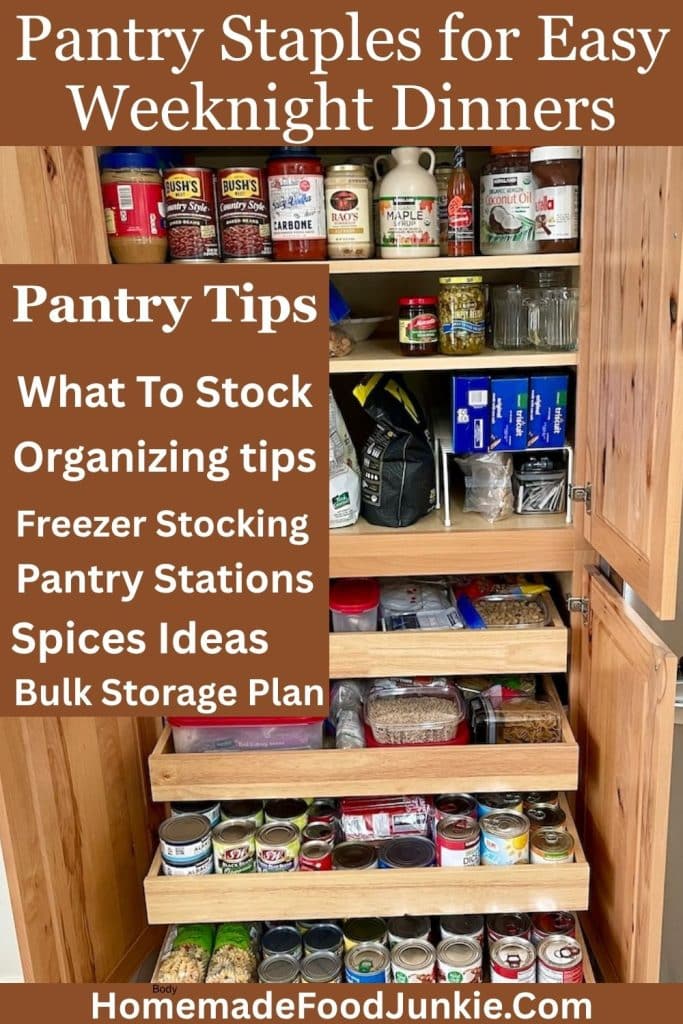
Pantry Staples for Easy Weeknight Dinners
As an Amazon Associate and member of other affiliate programs we earn a small commission from qualifying purchases through our affiliate link. For more information read our Entire Affiliate Disclosure.
Keeping pantry staples for easy weeknight dinners on hand and ready to use saves both time and money for families that cook at home most of the time. When five o’clock arrives, everyone is hungry and you have no dinner plan, a well-planned pantry can save the evening.
This is my world most of the time. I rarely plan more than one or two dinners in advance each week. The rest of our meals come from leftovers, a new dinner restructured from the first one, or whatever I can build from the cupboards, refrigerator and freezer. This is when a well-stocked pantry becomes one of the most useful tools in my kitchen.
A practical pantry does not need to contain every ingredient you might possibly use. In fact, shelves crowded with foods your family does not enjoy are not especially helpful. Every cook knows the sting of buying a special ingredient for an interesting recipe, using it once and then watching it sit untouched. Over time, these one-use ingredients clutter the shelves, become expired and forgotten, and hide the foods you actually rely on.
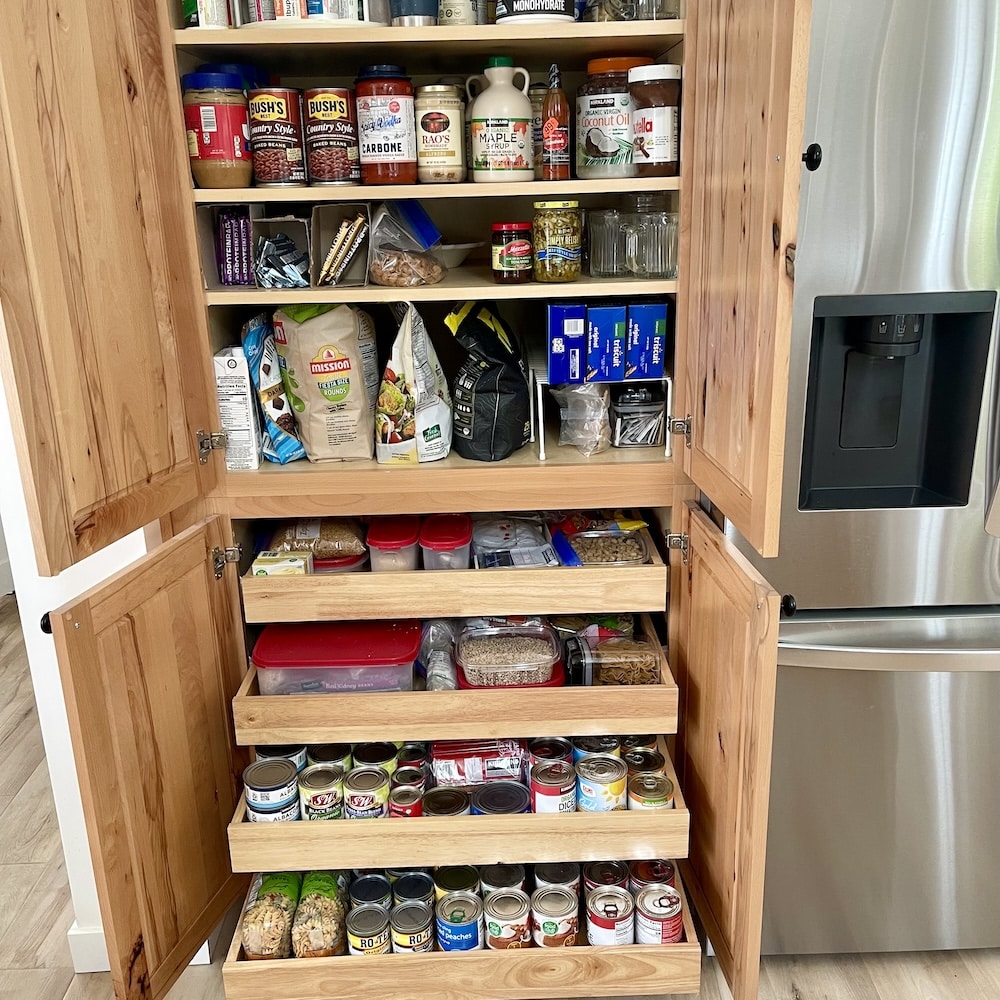
A useful pantry is not measured by how much it contains, but by how well its contents are organized, visible to you the cook and how it works together. The purpose of a working pantry is to keep familiar, versatile ingredients ready so you can combine them into meals without making a special trip to the grocery store.
Pasta, rice, beans, canned tomatoes and broth may not look like dinner while they are sitting on a shelf. Add a protein, some vegetables and the right seasonings, however, and they become a skillet dinner, soup, casserole or one-pot meal.
Our Weeknight Dinners collection is filled with recipes that use these dependable ingredients. This guide will help you stock and organize your pantry so those dinners are easier to make whenever you need them.
What Is a Weeknight Dinner Pantry?
A weeknight dinner pantry is a collection of ingredients chosen around the meals you actually cook. It includes the shelf-stable foods in your cupboards, along with a few dependable ingredients in your refrigerator and freezer.
This is different from buying random food simply because it is on sale. Every ingredient in a useful pantry should have a purpose. Ideally, it should work in more than one meal.
For example, canned tomatoes might become pasta sauce one night, chili later in the week and the beginning of a soup after that. Rice can accompany a stir-fry, cook directly in a one-pan chicken dinner or stretch a bowl of soup. A few cans of beans can add inexpensive substance to tacos, casseroles, salads and chili.
The goal is not to cook the same meal repeatedly. It is to keep a dependable collection of ingredients that can move in several different flavor directions.
Stock Your Pantry Staples For Easy Weeknight Dinners Around the Way You Cook
There is no universal pantry list that works for every household. If your family never eats lentils, buying six bags because they are economical does not save money. If you cook with rice several times a week, however, buying a larger quantity may be practical.
The best rule is simple: Store what you use and use what you store. Utah State University Extension offers the same practical advice. Start with your family’s regular meals, then stock the ingredients that make those meals possible.
Before adding an ingredient to your pantry, ask:
- Does my family enjoy it?
- Do I already know how to use it?
- Can it work in at least two or three different meals?
- Will we use it while the quality is still good?
- Do I have a sensible place to store it?
Those questions will produce a much more useful pantry than someone else’s enormous checklist.
Organize Your Pantry in Practical Storage Zones
A pantry does not have to be one large walk-in closet. It can be divided among several cupboards, drawers, shelves or storage areas. What matters is that the ingredients are easy to find and arranged according to how often you use them. For me, breaking up the pantry into stations around my kitchen worked best.
In my kitchen, pantry storage is divided into four working areas. In addition to the cupboards and bulk-storage closet, I consider my freezer part of the pantry. Shelf-stable ingredients often provide the foundation of dinner, but the freezer holds many of the proteins, vegetables and prepared foods that complete it.
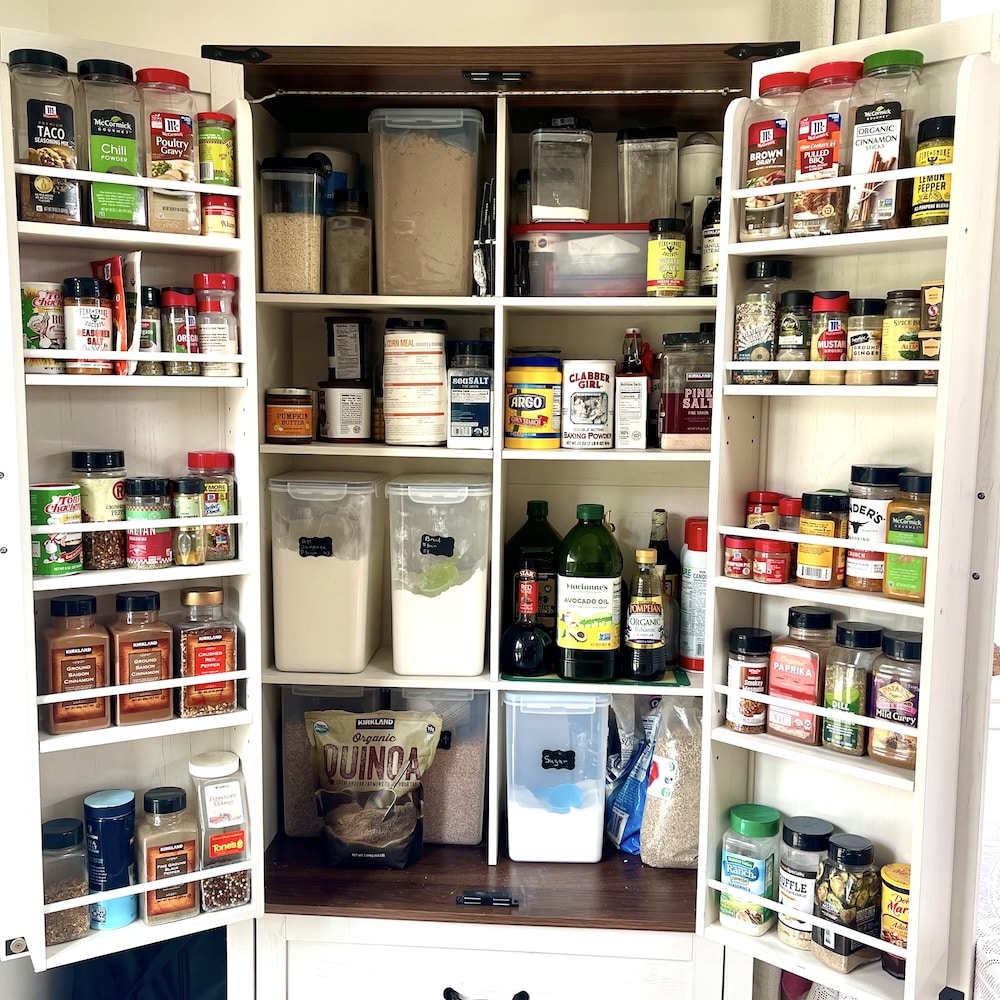
The Spice, Oil and Baking Cupboard
I keep cooking oils, vinegars, spices and seasonings together. This cupboard also serves as my baking center, so it contains flour and the other basic ingredients I use for baking from scratch.
Not every baking ingredient is needed for weeknight dinner, but flour is surprisingly useful. It thickens gravies, roux, pan sauces and creamy soups; coats meat before browning; and can become biscuits, dumplings or other simple additions to a meal. The remaining baking staples support the rest of our home cooking, so it makes sense for me to keep them together.
The oils, vinegars, herbs and spices stored here allow the same basic foods to become completely different dinners. Rice, chicken and vegetables can take on an Italian, Mexican, Asian-inspired or homestyle flavor profile depending on the oil, sauce and seasonings you add. Keeping these flavor builders together makes it easier to see my options while I cook.
Oils and dried seasonings hold their quality best in a cool, dry cupboard away from direct light and the heat of the stove. Buy them in quantities you can reasonably use, especially oils, nuts and other foods containing fats that can eventually develop stale or rancid flavors.
The Everyday Working Pantry
Most of my cans, bottles and boxes are stored on a series of pull-out shelves. Larger stationary shelves above them hold bigger or less frequently used items.
Pull-out shelves make it much easier to see what is hiding in the back. This matters because a pantry cannot save time or money when you forget what is in it. Grouping similar ingredients together also allows you to notice quickly when you are running low on canned tomatoes, broth, beans or pasta.
The Freezer Pantry
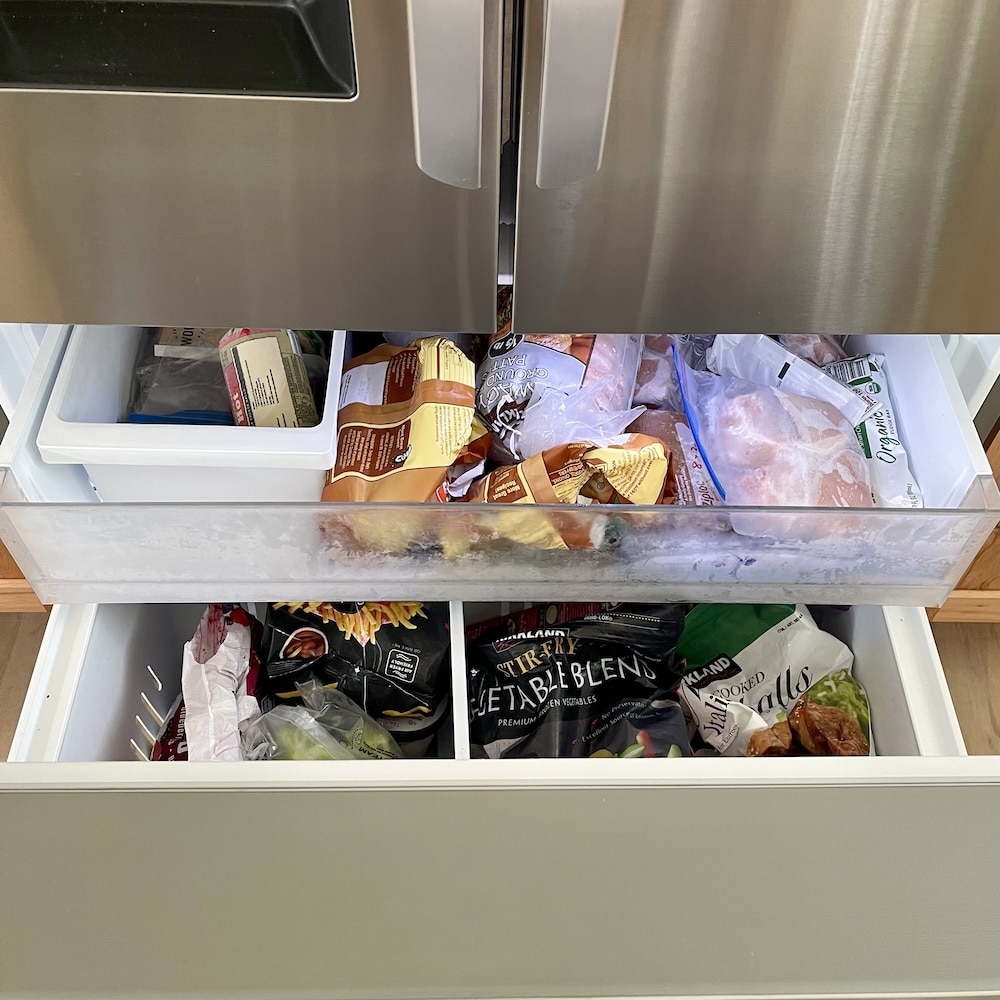
My freezer is another essential part of my pantry system. It allows me to keep perishable ingredients available much longer and connect them with the rice, pasta, beans, broth and sauces stored in my cupboards.
Meat and poultry can be divided into meal-sized packages before freezing. Frozen vegetables can go directly into many soups, casseroles and skillet dinners. Bread, tortillas, homemade broth, cooked beans and meal components such as shredded meat or cheeses can also be frozen and repacked into ziplock freezer bags in useful portions.
The freezer is especially valuable when dinner plans change. Instead of needing every ingredient to be fresh that day, I can combine a freezer protein or vegetable with dependable shelf-stable foods and still make a homemade meal.
Like a cupboard, however, a freezer works best when you know what is inside it. Group similar foods together, label and date packages, and keep a simple inventory if the contents are difficult to see. Rotate older foods forward and plan occasional meals specifically to use them.
The Bulk or Reserve Pantry
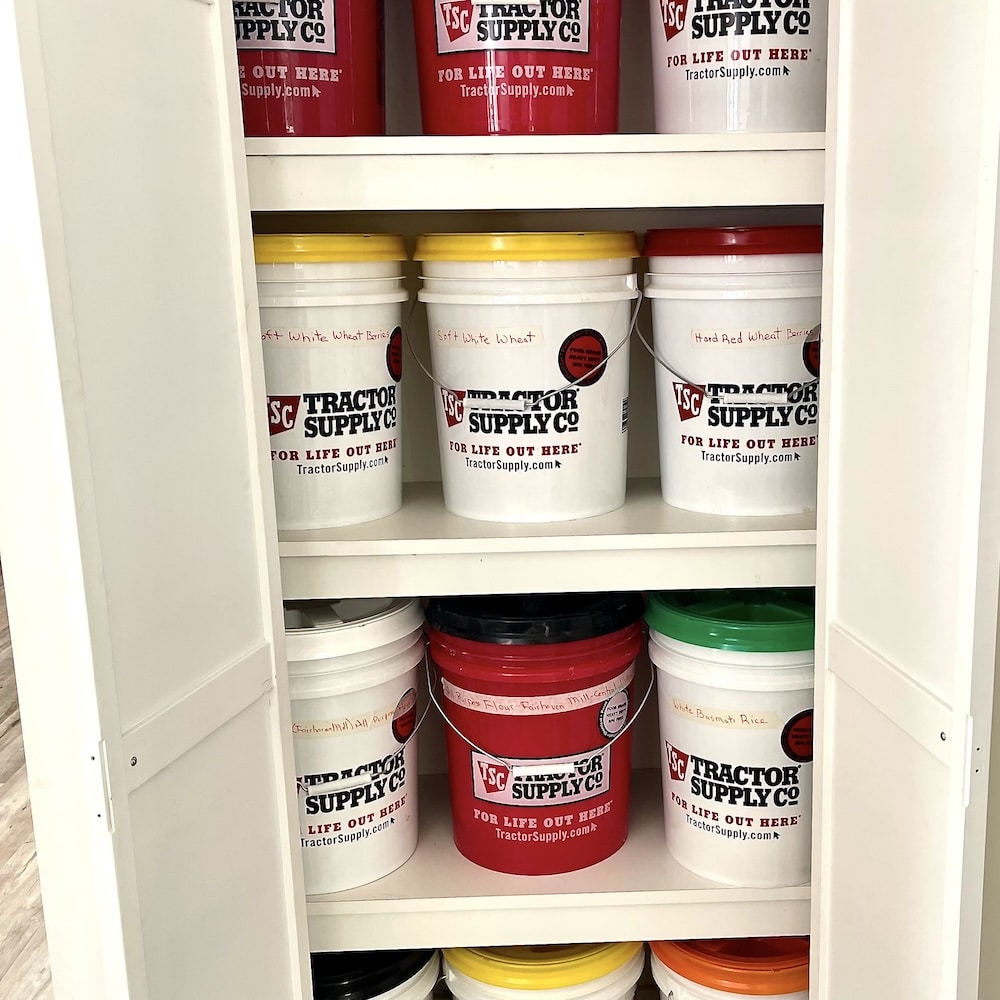
I also have a separate closet for foods we use in larger quantities. Rice, oatmeal, flour and whole-grain berries (I’m a busy sourdough bread baker) are stored in food-grade five-gallon buckets purchased from Tractor Supply. The buckets have gasketed screw-top lids that seal securely but are still easy to open when I need to refill a smaller working container.
I have used this system for about five years, and it has worked very well for us. Bulk storage is not necessary for every household, but it can be practical for foods you use frequently and have room to store properly.
Use containers specifically intended for food, keep them in a dry storage area, and clearly label both the contents and purchase or packaging date. Food-grade buckets, glass jars and other tightly sealed food-storage containers help protect dry ingredients from moisture and pantry pests. Utah State University Extension provides additional guidance on packaging foods for storage.
The bulk pantry should replenish the working pantry. It should not become a place where forgotten food sits indefinitely.
Pantry Staples That Form the Base of Dinner
The base gives a meal substance and helps stretch vegetables and more expensive proteins into enough servings for the family.
Useful dinner bases include:
- Pasta and noodles in several useful shapes
- White or brown rice
- Barley, quinoa, couscous or other grains your family enjoys
- Tortillas and wraps
- Dried beans and lentils
- Flour and cornmeal for biscuits, dumplings, breads and simple coatings
You do not need every item on this list. Choose the ones that already appear regularly in your cooking.
If pasta is one of your dependable dinner bases, our guide to building quick pasta dinners explains how to combine the right pasta shape with proteins, vegetables, sauces and flavor builders.
Shelf-Stable Proteins
Meat does not have to carry the entire meal. Shelf-stable proteins can make a dinner more filling, stretch a smaller amount of meat or replace it entirely.
Depending on your family’s preferences, consider keeping some of these on hand:
- Canned black, kidney, pinto, white or garbanzo beans
- Dried beans and lentils
- Canned tuna, salmon, beef or chicken
- Peanut butter or another nut or seed butter for sauces, and meatless meals
Canned beans are especially useful because they are already cooked. Drain and rinse them when the recipe calls for it, then add them to soup, chili, rice, salads or casseroles.
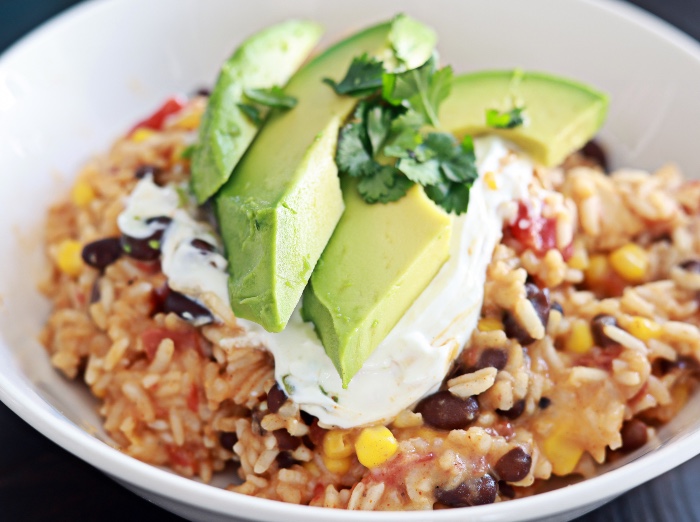
Our Mexican Rice and Chicken combines rice, black beans, canned tomatoes, broth and frozen corn with fresh or frozen chicken. It is a good example of pantry and freezer ingredients becoming a complete one-pan family dinner.
Canned Foods, Sauces and Meal Starters
These are the ingredients that connect the protein, vegetables and starch. Keep the ones that suit your family’s preferred styles of cooking.
Some of the most versatile choices include:
- Diced, crushed or stewed tomatoes. I like to stock different flavored diced tomatoes so I can easily change up the flavor profile of our meals. for example: fire roasted tomatoes, Ro-Tel tomatoes and plain diced tomatoes.
- Tomato sauce and tomato paste
- Jarred pasta sauce
- Chicken, beef or vegetable broth
- Coconut milk
- Salsa and canned green chiles
- Canned corn and other vegetables
- Canned mushrooms
- Olives, capers and roasted peppers
- Enchilada sauce
One can often does more than one job. Tomatoes add liquid, acidity, color and flavor. Broth cooks rice or noodles while building a sauce. Salsa can season chicken, rice, beans, tacos or soup without requiring several separate ingredients.
This is also where carefully chosen convenience ingredients earn their shelf space. You do not have to make every sauce from scratch on a busy night. The best shortcut is one that tastes good to your family and helps you serve a homemade meal.
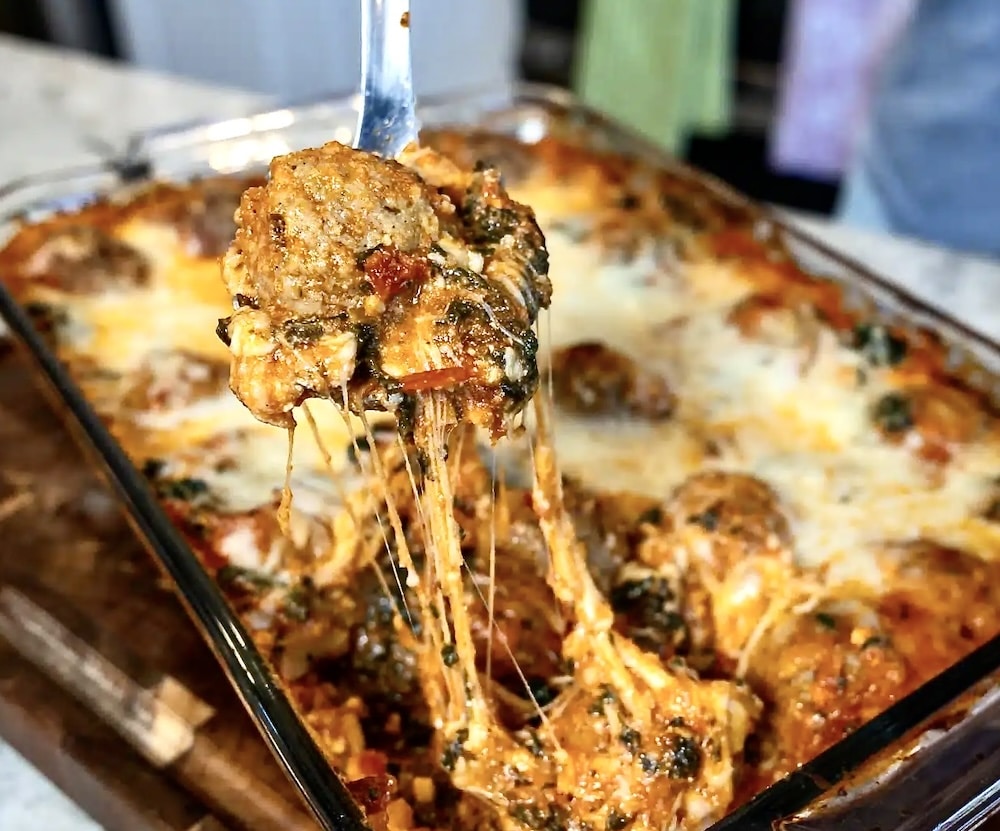
Kayti’s Dump and Bake Lasagna Dinner is a timely example. Pasta, sauce and other familiar ingredients are assembled with very little preparation and allowed to cook together in the baking dish.
Oils, Spices and Other Flavor Builders
Staples provide the body of dinner, but flavor builders keep those ingredients from becoming monotonous.
A useful selection might include:
- Olive oil and a neutral cooking oil
- Vinegars your family enjoys
- Salt and pepper
- Garlic and onion powder
- Italian seasoning
- Chili powder, cumin and smoked paprika
- Curry powder or a preferred curry blend
- Soy sauce or tamari
- Worcestershire sauce
- Mustard
- Hot sauce
- Taco seasoning
- Dried herbs
Build this collection slowly around recipes you already make. There is no benefit in owning forty spices if you regularly cook with only ten of them.
Flavor builders are also how you prevent meal fatigue. Ground beef, rice and vegetables seasoned with cumin, chili powder and salsa create a very different dinner from the same basic foods seasoned with garlic, Italian herbs and tomato sauce.
Refrigerator and Freezer Pantry Staples
The most useful weeknight pantry does not stop at the cupboard door. The freezer is one of its main storage zones, and a few reliable refrigerator ingredients complete the system. Together, they turn shelf-stable foods into satisfying dinners.
Helpful refrigerator staples may include:
- Eggs
- Butter
- Parmesan, cheddar or another frequently used cheese
- Sour cream, cream cheese or plain yogurt
- Mustard and other condiments
- Garlic and onions
- Carrots, cabbage or other vegetables that store well
Depending on the meals you cook, helpful freezer staples may include:
- Ground beef, turkey or sausage
- Chicken in meal-sized packages
- Cooked shredded meat
- Frozen corn, peas, spinach, broccoli or mixed vegetables
- Bread and tortillas
- Homemade broth
- Portioned leftovers
Frozen vegetables are especially useful on busy nights because they are already washed and prepared. Add them directly to soups, casseroles and many skillet meals, following the recipe’s timing so they do not overcook.
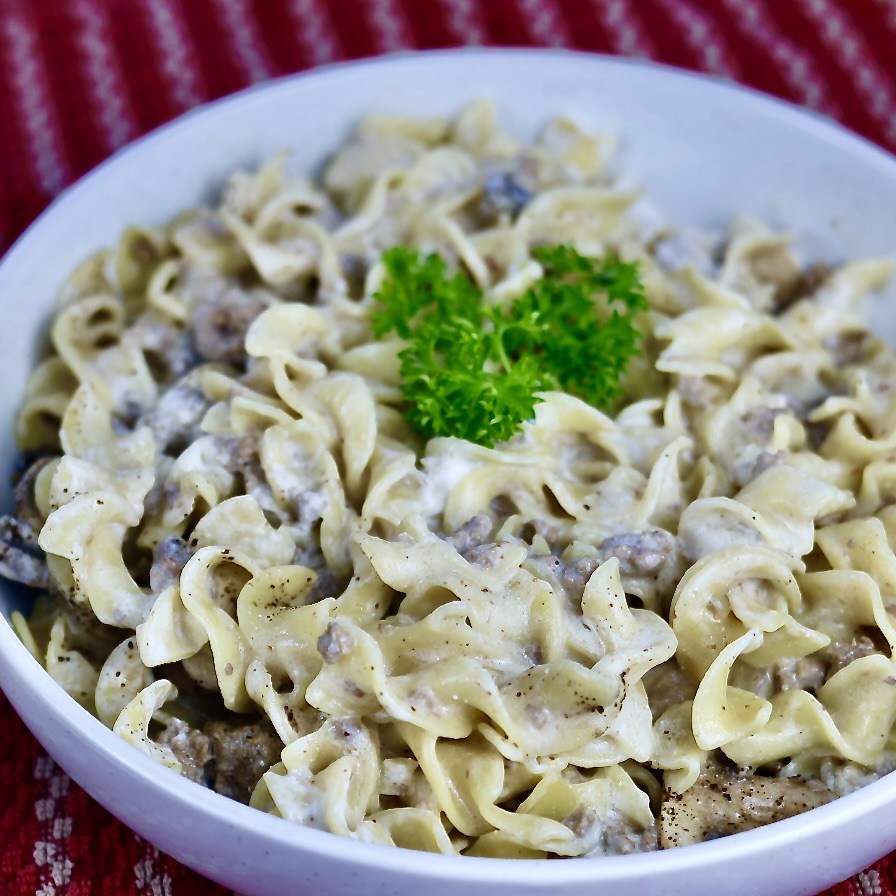
The Easy One-Pot Ground Beef Stroganoff uses ground beef from the freezer with noodles, broth, Worcestershire sauce, mustard and a refrigerated dairy finish. That combination is exactly why the pantry, refrigerator and freezer work best as one system.
Shop for Several Meals, Not Just One Recipe
Before grocery shopping, look through your pantry, refrigerator and freezer and choose several meals that share ingredients. This helps prevent waste and allows one purchase to support more than one dinner.
Think of the possibilities this way:
| Ingredient | First dinner | Another use |
|---|---|---|
| Rice | Mexican chicken and rice | Soup, stir-fry or a grain bowl |
| Canned tomatoes | Pasta sauce | Chili or vegetable soup |
| Black or kidney beans | Taco soup | Rice skillet, salad or chili mac |
| Ground beef | Ground beef stroganoff | Taco chili mac or hamburger soup |
| Chicken | Chicken and rice | Enchilada casserole or creamy pasta |
| Broth | Soup | Cook rice, noodles or a skillet sauce |
This is the beginning of what I think of as meal architecture: buying and preparing ingredients with their next use in mind. It does not mean serving the same dinner three nights in a row. It means allowing one ingredient or one cooking session to create several genuinely different meals.
For example, a roast can be served traditionally the first night, turned into Shepherd’s pie later and used for French dip sandwiches after that. We will explore that style of cooking more deeply in a separate guide.
Five Easy Dinner Paths from Pantry Staples
When you do not know what to cook, look for one ingredient from each column and build from there.
| Dinner path | Base | Protein | Vegetables | Sauce and flavor |
| Pasta dinner | Pasta or noodles | Sausage, chicken, beef or beans | Spinach, peas, broccoli or mushrooms | Tomato sauce, pesto, cream sauce or oil and garlic |
| Rice skillet | Rice | Chicken, ground meat or beans | Corn, peppers, peas or mixed vegetables | Broth, tomatoes, salsa and seasonings |
| Soup or chili | Broth and tomatoes | Beans, lentils or cooked meat | Canned, fresh or frozen vegetables | Herbs, chili spices, curry or garlic |
| Tortilla dinner | Tortillas | Beans, chicken or ground meat | Corn, peppers or greens | Salsa, enchilada sauce and cheese |
| One-pot noodles | Pasta or egg noodles | Ground meat, sausage or chicken | Mushrooms, peas or spinach | Broth with tomato, cheese or a creamy finish |
These are not rigid recipes. They are decision paths that help you recognize dinner among the ingredients you already own.
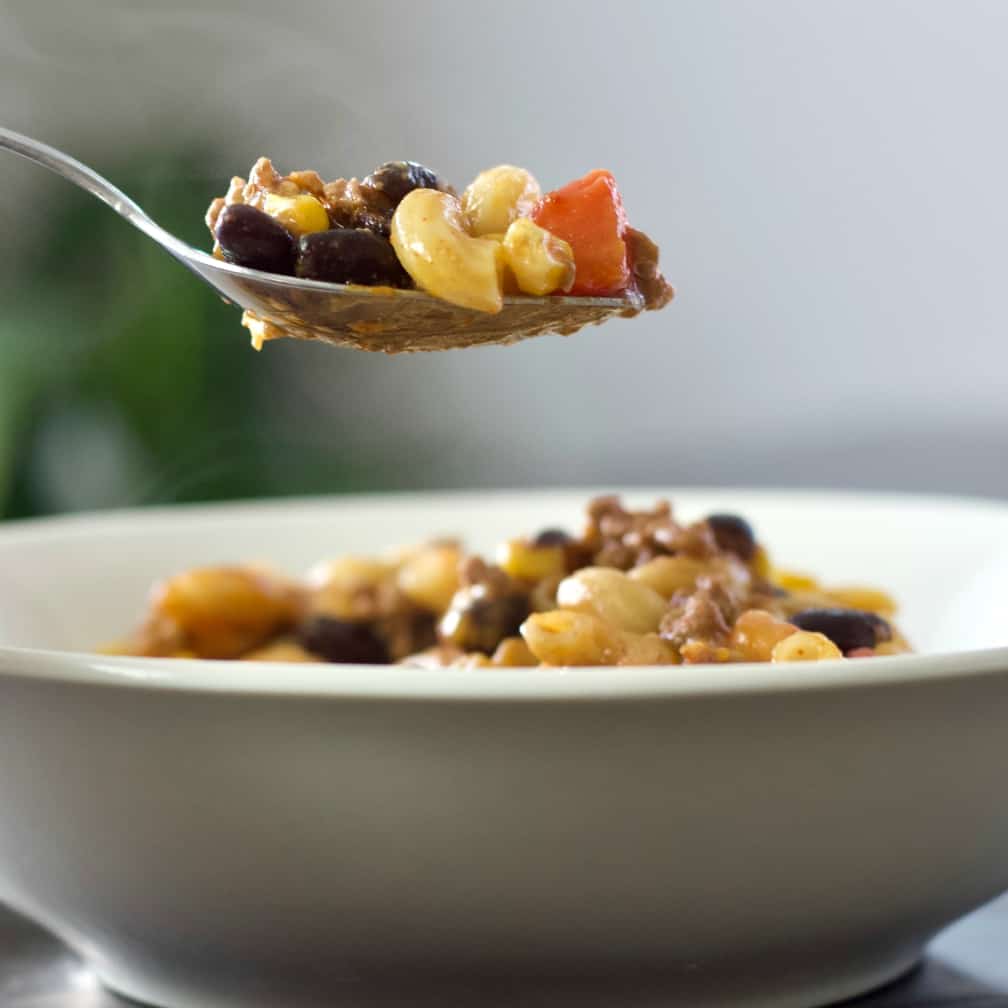
For more examples, try our Taco Chili Mac and Cheese, Crock Pot Hamburger Soup or Chicken Enchilada Casserole.
For more on Building dinners from your pantry read our guide on Cook With What you Have.
Keep the Pantry Visible, Labeled and in Rotation
A stocked pantry saves money only when you use the food.
Follow the first-in, first-out method: place new purchases behind older ones and use the older food first. Label bulk containers and foods removed from their original packages. Utah State University Extension recommends this same rotation system.
A few simple habits help:
- Group similar foods together.
- Keep frequently used ingredients within easy reach.
- Write unfamiliar contents and purchase dates on containers.
- Add an item to the shopping list when you open the last backup.
- Check the pantry before shopping so you do not buy unnecessary duplicates.
- Occasionally wipe shelves and inspect dry goods for pantry pests.
- Discard leaking, bulging, badly rusted or severely damaged cans without tasting the contents.
You do not need a complicated inventory system. Some cooks use an app or spreadsheet, while others keep a small list inside the pantry door. Choose the simplest method you will actually maintain.
How to Begin Stocking a Pantry for Easy Meals
Do not try to build the perfect pantry in one shopping trip. Begin with one ordinary week.
- Write down five dinners your family regularly enjoys.
- Circle the shelf-stable ingredients used in more than one meal.
- Check which spices, oils and sauces give those dinners their flavor.
- Add a few compatible proteins and vegetables to the refrigerator or freezer.
- Buy modest quantities and observe what you actually use.
- Gradually add backups of the most dependable ingredients.
Over time, your pantry will begin to reflect the way your family cooks. That is much more valuable than a picture-perfect collection copied from someone else’s kitchen.
Frequently Asked Questions About Pantry Staples
What pantry staples should everyone have?
There is no single list for everyone. Most households benefit from having a few meal bases, proteins, canned vegetables or tomatoes, broth, cooking oil and familiar seasonings. Choose specific ingredients according to the meals your household actually eats.
What shelf-stable foods are best for quick dinners?
Pasta, rice, canned beans, tomatoes, broth, tuna, sauces and quick-cooking grains are especially versatile. Combine them with freezer proteins, frozen vegetables, eggs or cheese to create a larger variety of meals.
How much pantry food should I keep?
Keep enough to support your usual cooking without buying more than you can store, see and rotate. Begin with one backup of frequently used ingredients. Buy larger quantities only after you know your household will use them.
Is buying pantry food in bulk always cheaper?
No. Bulk buying saves money only when the unit price is lower, you can store the food appropriately and your household uses it before its quality declines. A smaller package of food you finish is a better purchase than a large package you eventually discard.
How do I keep pantry ingredients from going to waste?
Organize similar foods together, label containers, place newer purchases behind older ones and check what you already own before shopping. Most importantly, plan meals around pantry foods rather than saving them for an undefined future use.
A Useful Pantry Makes Homemade Dinner Easier
A well-stocked pantry will not plan dinner for you, but it gives you good choices when time and energy are short.
When your shelves contain meal bases, dependable proteins, canned vegetables, sauces and flavor builders your family enjoys, you can stop thinking of dinner as one missing recipe. Instead, you can look at the ingredients you have and recognize several possible meals.
That is the real purpose of pantry building: not collecting food, but making everyday homemade cooking easier, more economical and far less stressful.
More Ideas On Stocking and Using Your Pantry for Easy Weeknight Dinners:
- Weeknight Dinners hub
- How to Build Quick Pasta Dinners
- Cook with What you Have
- Mexican Rice and Chicken One Pot Dinner
- Dump and Bake Lasagna Dinner
- Easy One-Pot Ground Beef Stroganoff
- Taco Chili Mac and Cheese
- Crock Pot Hamburger Soup
- Chicken Enchilada Casserole