As an Amazon Associate and member of other affiliate programs we earn a small commission from qualifying purchases through our affiliate link. For more information read our Entire Affiliate Disclosure.
Learn how to cook with what you have. Construct weeknight dinners from the food available to you, whether you plan those ingredients ahead or work spontaneously from a well stocked kitchen. Save time, save money and feed your family well.
This post comes from 40 plus years of cooking for my family. We rarely eat out. My pantry ingredients drive most of my dinners. Some nights I begin dinner with a recipe. More often, I begin with an ingredient.
I may have chicken thawed, a roast in the freezer, ground beef that needs to be used, or vegetables waiting in the refrigerator. From there, I look through the pantry and decide what those ingredients can become. I have my favorite meals, of course, but after more than 40 years of cooking this way, I’ve become a master at substituting missing ingredients and reinventing favorite recipes to make tasty meals on the fly.
This is one reason a well-stocked pantry is so useful. It does more than provide emergency food. Or canned chili and baked beans for my orphan husband when I’m away.
A practical pantry gives you enough compatible ingredients to make decisions at dinnertime without requiring a grocery trip for every recipe.
I think of this way of cooking as meal architecture: understanding the roles ingredients can play and how they fit together to make a complete meal.
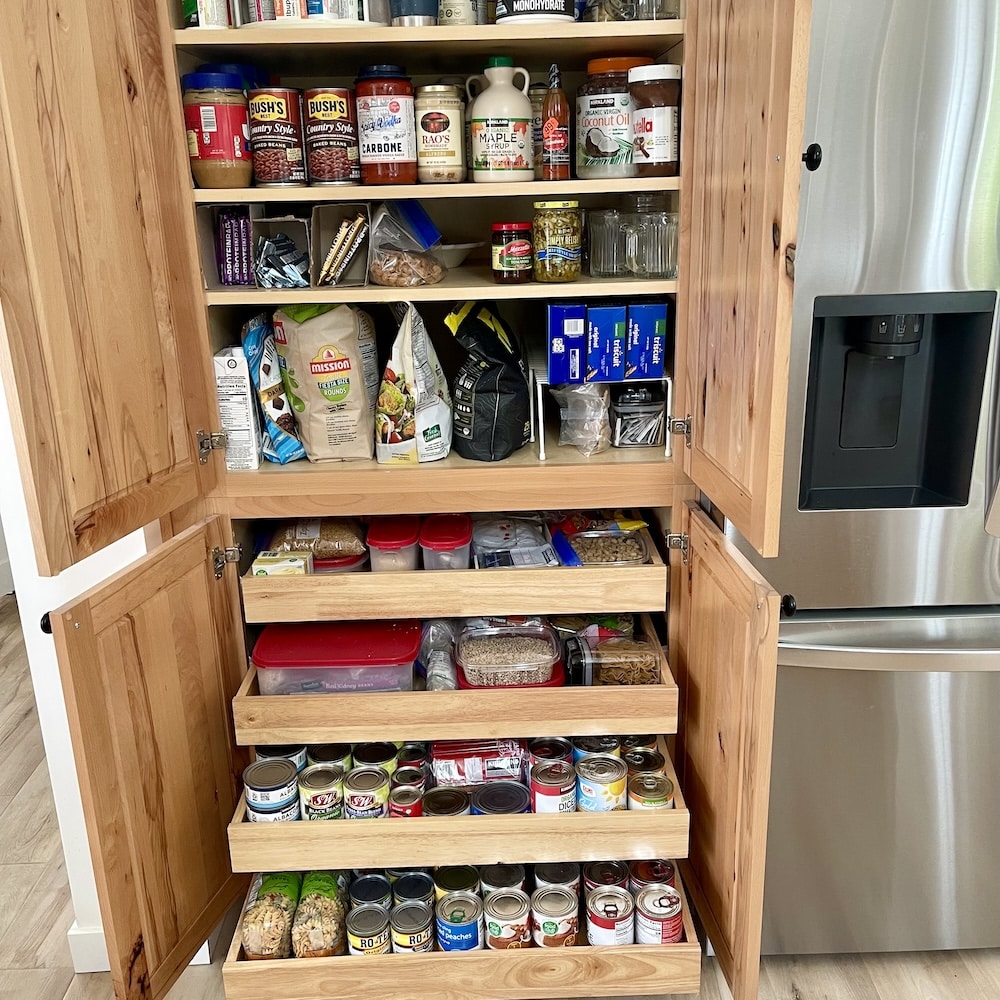
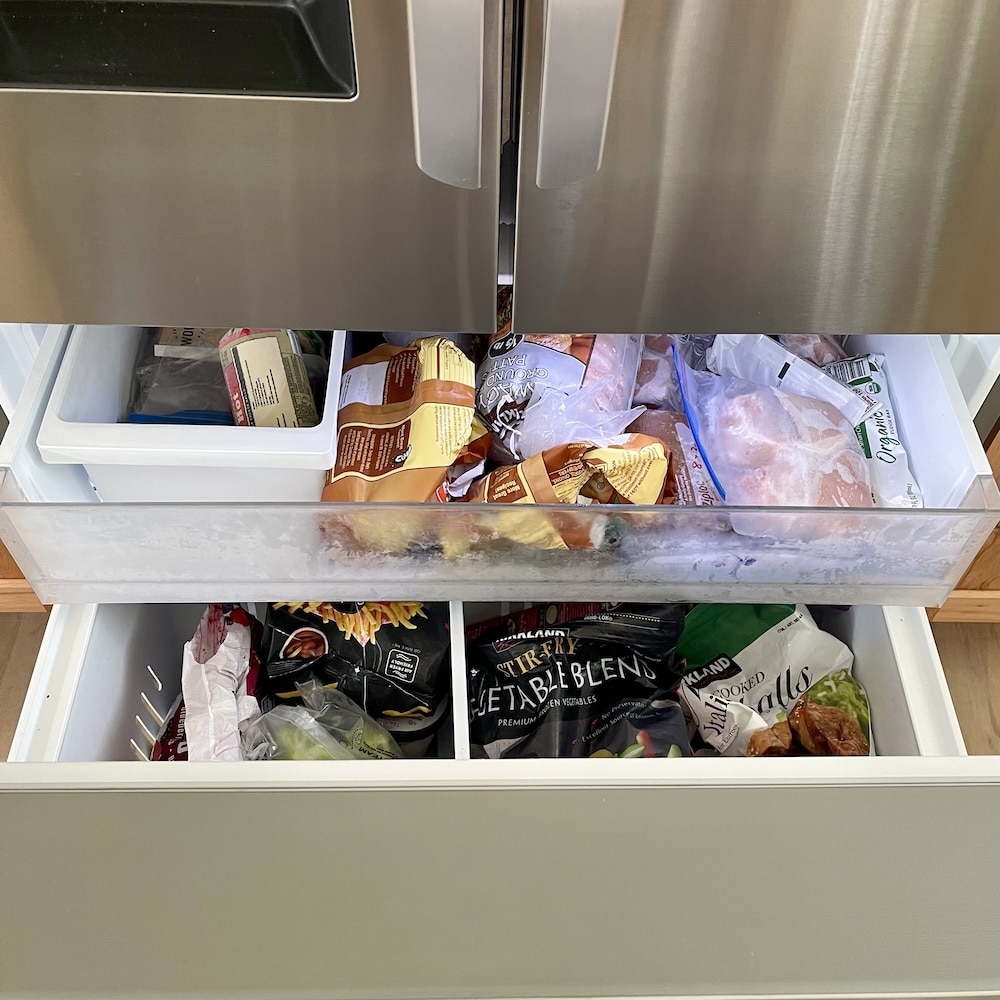
These are the ingredients I’m using straight out of the pantry and freezer. Hamburger Soup Recipe
Meal Architecture Is Not the Same as Meal Planning
Meal planning and meal architecture overlap, but they are not the same thing.
A meal planner often works forward. The cook chooses recipes for the week, builds a grocery list around those recipes, shops for the required ingredients and then follows the plan.
A pantry-first cook often works in the opposite direction. The food is already in the house. The question is: What can I make from it tonight?
Both approaches can use the same underlying skill. If you understand how proteins, starches, vegetables, sauces, seasonings and prepared foods work together, you can plan those combinations before you shop or discover them spontaneously when you open the refrigerator.
Many households will naturally do some of both. A weekly plan may cover the busiest evenings while another night is left open for leftovers, pantry cooking or whatever sounds good.
Start With the Ingredient That Is Driving Dinner
There is no rule that says a meal has to begin with a starch, a protein or even a recipe. Start with whatever is driving the decision.
For me, that is often the protein. If chicken is thawed, I immediately have several directions available. Chicken with rice, peppers and Mexican-style seasonings can become a skillet, bowl or burrito filling. Chicken with pasta, broccoli and Parmesan points toward an entirely different dinner. Chicken with potatoes, carrots and herbs can become a sheet-pan or roasted meal.
But your anchor might be, as mine often is, a bag of potatoes that needs using, leftover rice, garden vegetables, a package of tortillas or half a box of pasta. The process still works. You simply enter the meal from a different starting point.
Look for the Building Blocks Around Your Anchor
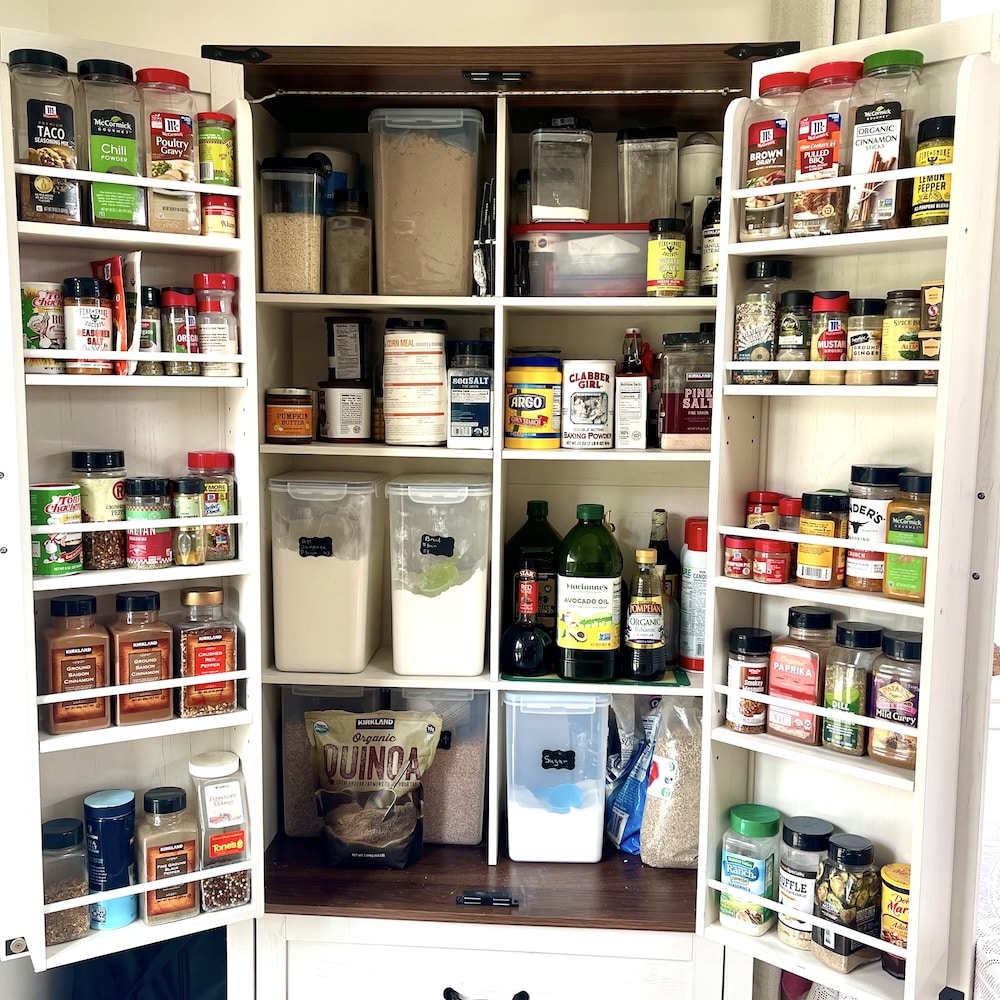
Once you know what is driving dinner, look at the rest of the kitchen in terms of what each ingredient can contribute. As I mentioned in my post on Pantry Staples for Easy Weeknight Dinners, my pantry is organized into different physical stations around my kitchen.
When I’m flummoxed over what to cook, I open each station and let the ingredients speak to me. I look at what I have, what works together and what sounds good. Eventually, a dinner starts to form in my head—often a skillet dinner, but certainly not always.
That’s really meal architecture in action. I’m not necessarily looking for a recipe. I’m looking at the ingredients as building blocks and deciding what each one can contribute to the meal.
You do not need every category at every meal, and this is not intended to turn dinner into a rigid formula. These are simply useful building blocks to consider.
Protein: Chicken, beef, pork, fish, eggs, beans, lentils, cheese or another substantial ingredient.
Backbone or starch: Pasta, rice, potatoes, bread, tortillas or another grain can give the meal body and help stretch more expensive ingredients.
Vegetables: Fresh, frozen, canned, roasted or leftover vegetables add flavor, texture and variety.
Flavor builders: Onions, garlic, herbs, spices, sauces, broth, canned tomatoes, vinegars, oils and condiments determine the direction of the meal.
Finishing elements: Cheese, fresh herbs, citrus, toasted nuts, breadcrumbs, sour cream, a sauce or another small addition can make a simple dinner feel complete.
This is where pantry cooking becomes creative. A chicken breast does not tell you what dinner has to be. The supporting ingredients determine whether that chicken becomes pasta, soup, tacos, a rice bowl, a casserole, sandwiches or something else entirely.
Choose a Flavor Direction
A pantry becomes far more useful when it contains flavor builders, not just basic calories.
Rice, chicken and vegetables can taste completely different depending on what you add to them. Soy sauce, ginger and sesame oil move the meal in one direction. Tomatoes, oregano and Parmesan move it somewhere else. Cumin, chiles, lime and tortillas create another set of possibilities.
When you are staring at ingredients and cannot see dinner yet, choosing the flavor direction can be the decision that brings the meal together.
You do not need an enormous spice collection, or dozens of specialty sauces. Stock the trusted flavors your household actually enjoys and learn which staples work together. Over time, those combinations become familiar enough that you can cook without needing a recipe for every meal.
But don’t let a trusted pantry become a boring one. Occasionally introduce a new spice, sauce, flavored oil, or other flavor combination into a family meal and see how it goes. It’s fun to try something new, and when you find a winner, you’ve added another flavor direction—and another set of dinner possibilities—to your pantry.
Creamy Cajun Sausage Skillet Dinner ingredients are easy to pull from a well stocked pantry and fridge.
Choose the Form of the Meal
The same group of ingredients can often become several different dinners simply by changing the form.
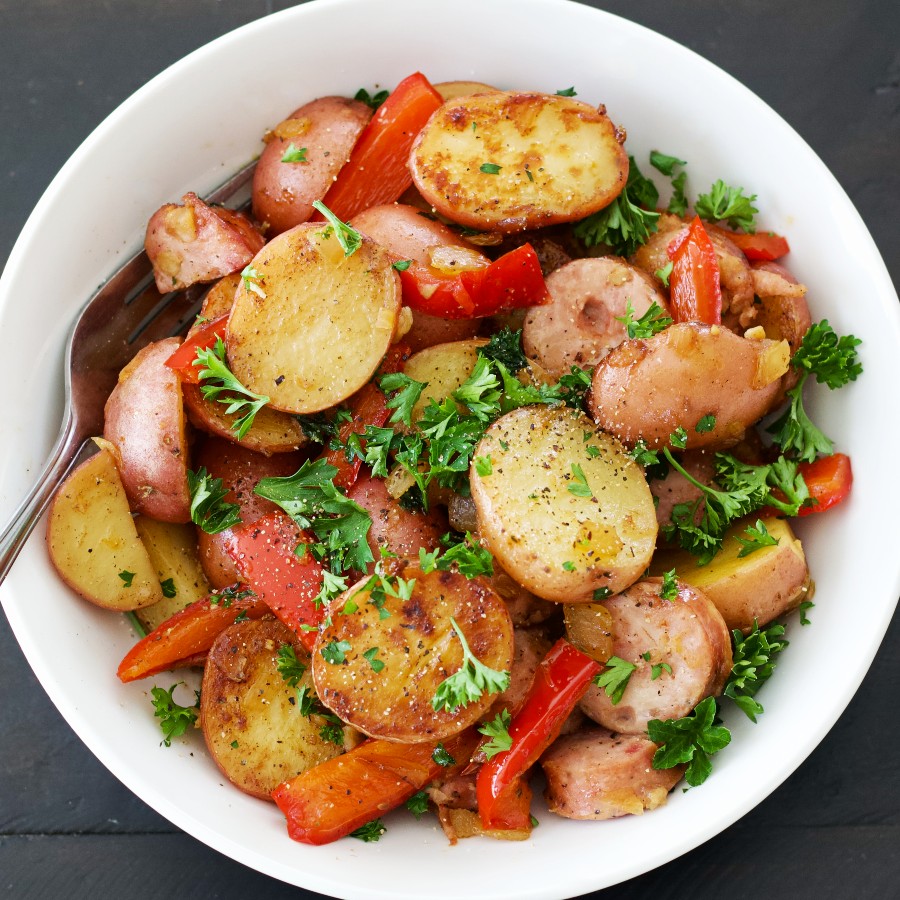
Chicken, rice and vegetables could become a skillet dinner, soup, casserole, grain bowl or stuffed tortilla. Ground beef, or sausage and potatoes might become a skillet like our Potato Sausage Stir Fry , cottage-style pie, soup or baked-potato topping. Pasta can carry a sauce, stretch a small amount of meat, hold roasted vegetables or turn odds and ends from the refrigerator into a quick dinner.
On busy nights, the cooking method may make the decision for you. A sheet-pan dinner, one-pot meal, pressure-cooker recipe or quick skillet may fit the evening better than a meal with several separately prepared components.
This is another reason to think in building blocks rather than finished recipes. The ingredients give you possibilities; your time and appetite help you choose among them.
Sausage and Potatoes Stir Fry is a wonderful way to use up produce with a quick flavorful meal.
Pasta, Rice and Potatoes Are Powerful Weeknight Backbones
Pasta, rice and potatoes deserve special attention because all three can support an enormous range of inexpensive, family-friendly dinners.
Pasta is fast, stores well and can carry everything from a light oil-based sauce to a hearty meat sauce. Different shapes also work better with different sauces and ingredients, which is why our Pasta for Weeknight Dinners guide goes more deeply into using pasta as a flexible dinner staple.
Rice is equally adaptable. It can sit under a saucy entrée, stretch meat and vegetables, become a bowl or skillet dinner, and turn into fried rice after it has been cooked and chilled. Read our guide on How to cook rice and Build Easy Weeknight Dinners for more ideas and recipes built on rice.
Potatoes can be baked, mashed, roasted, boiled or fried and paired with nearly any protein. Cooked potatoes can also become tomorrow’s hash, soup, skillet dinner, potato cakes or topping for another dish.
These foods are not mandatory components of dinner. They are useful backbones: affordable ingredients that can help turn smaller amounts of protein, vegetables and flavorful extras into a satisfying meal.
Beef Noodle Dinner
Cook Once, Then Turn the Extra Into Something New
One of the most useful meal-architecture habits is looking beyond tonight’s dinner.
This does not have to mean eating the same plate of leftovers for three nights. Instead, think of extra cooked food as a prepared ingredient.
If you roast more meat than you need, the extra meat is already cooked for another dinner. Extra rice can become fried rice. Roasted vegetables can move into soup, pasta, a frittata or a grain bowl. Cooked chicken can become tacos, sandwiches, casseroles or soup.
Extension educators like the Mayo Clinic Press — Cook Once, Eat Twice. often call this approach “Cook Once, Eat Twice.” The important idea is that the second meal can be genuinely different from the first.
Our own recipes provide a good example of how this works.
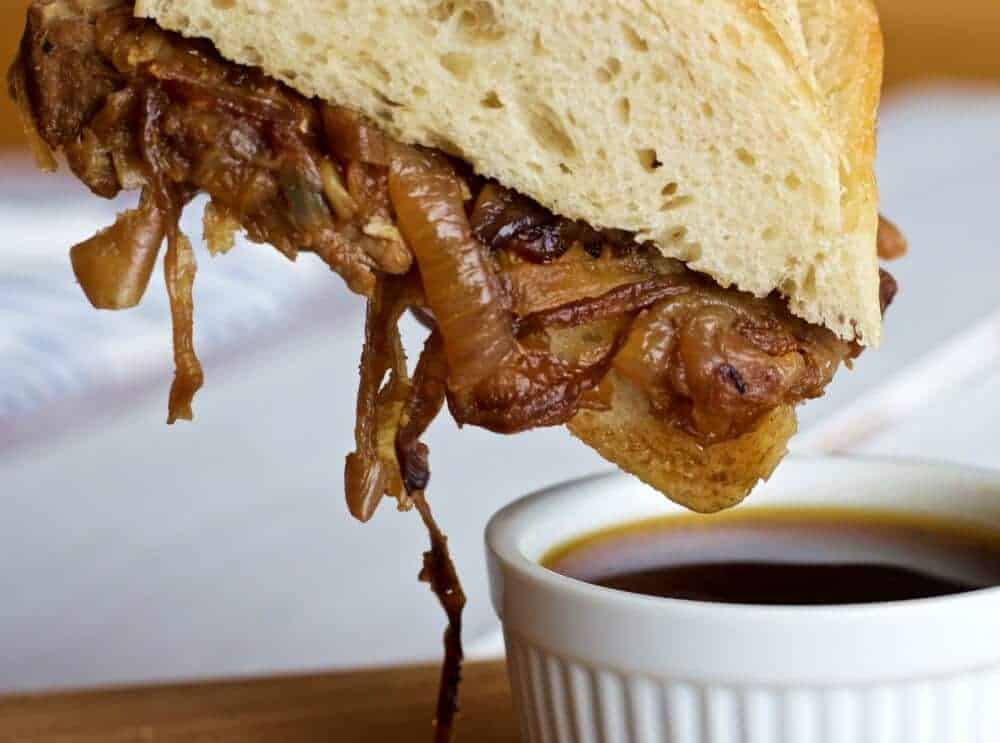
A roast beef dinner can be served traditionally with potatoes and vegetables. The remaining beef can later become Sesame Beef Thai Noodle Dinner, where it takes on an entirely different role. Another portion can become French Dip sandwiches.
The French Dip route even gives the cook choices at the beginning: make a traditional Instant Pot roast or start with a more unusual Cajun-style roast beef and carry those flavors into the sandwiches.
A meal planner can intentionally schedule those dinners and buy enough beef for all of them. A spontaneous pantry cook can make the roast, see what remains and decide on the next meal later.
The architecture is the same. Only the timing of the decisions changes.
Planned Reinvention and Spontaneous Reinvention Both Work
For cooks who enjoy a weekly schedule, meal architecture can make meal planning more efficient. Instead of planning seven completely unrelated recipes, look for ingredients that can do more than one job.
Roast extra chicken because you know tacos are coming later in the week. Cook additional rice for a planned fried-rice night. Buy enough vegetables to roast once and use in two different meals.
For more spontaneous cooks, the same skill works in reverse. You look at the cooked chicken, rice or vegetables already waiting in the refrigerator and ask what they could become.
This is where a well-stocked pantry makes an enormous difference. The more useful supporting ingredients you keep available, the easier it is to turn yesterday’s prepared food into something that feels like a new dinner rather than a repeat.
Build a Pantry That Gives You Choices
Pantry cooking works best when you stock ingredients because they are useful to the way your household actually eats.
That does not mean buying every food that appears on a generic pantry checklist. It means keeping a dependable selection of ingredients that connect with one another.
If your freezer contains chicken and ground beef, for example, your pantry might contain pasta, rice, potatoes, tortillas, canned tomatoes, beans, broth and the seasonings you regularly use with those proteins. Your refrigerator may supply cheese, eggs, vegetables and condiments.
Now a protein coming out of the freezer is not an isolated ingredient. It is connected to several possible meals.
If you prefer recipe-based meal planning, your pantry may be smaller and function more as backup: staples, spices, pasta, canned goods and ingredients that fill gaps between planned shopping trips. That works too. The important thing is to build a kitchen that supports the way you actually cook.
A Simple Dinner Decision Process
When dinner is not already planned, I find it more useful to ask a short series of questions than to scroll through hundreds of recipes.
What ingredient needs to drive dinner tonight?
What protein, starch or other backbone do I have to support it?
What vegetables can I add?
What flavor direction sounds good with these ingredients?
What cooking method fits the amount of time and energy I have?
Can I cook anything extra that will make another meal easier?
You may answer those questions in a different order every night. That is the point. This is a framework for making decisions, not another set of rules.
A well-stocked pantry isn’t built only at the grocery store. Some of the most useful ingredients in my kitchen come from food I’ve already cooked.
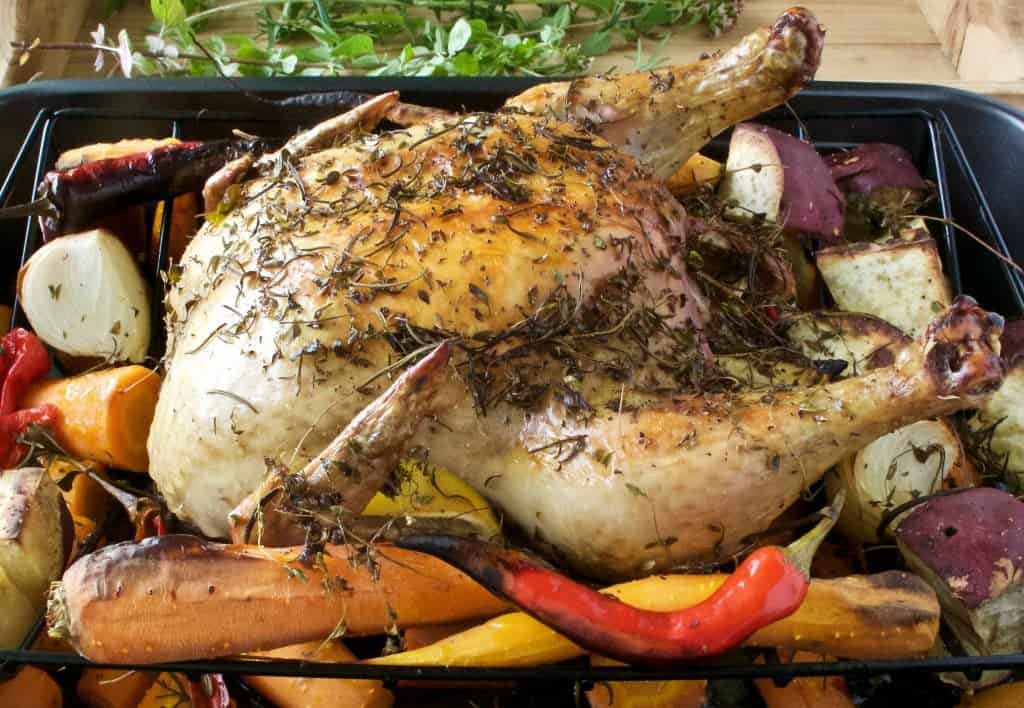
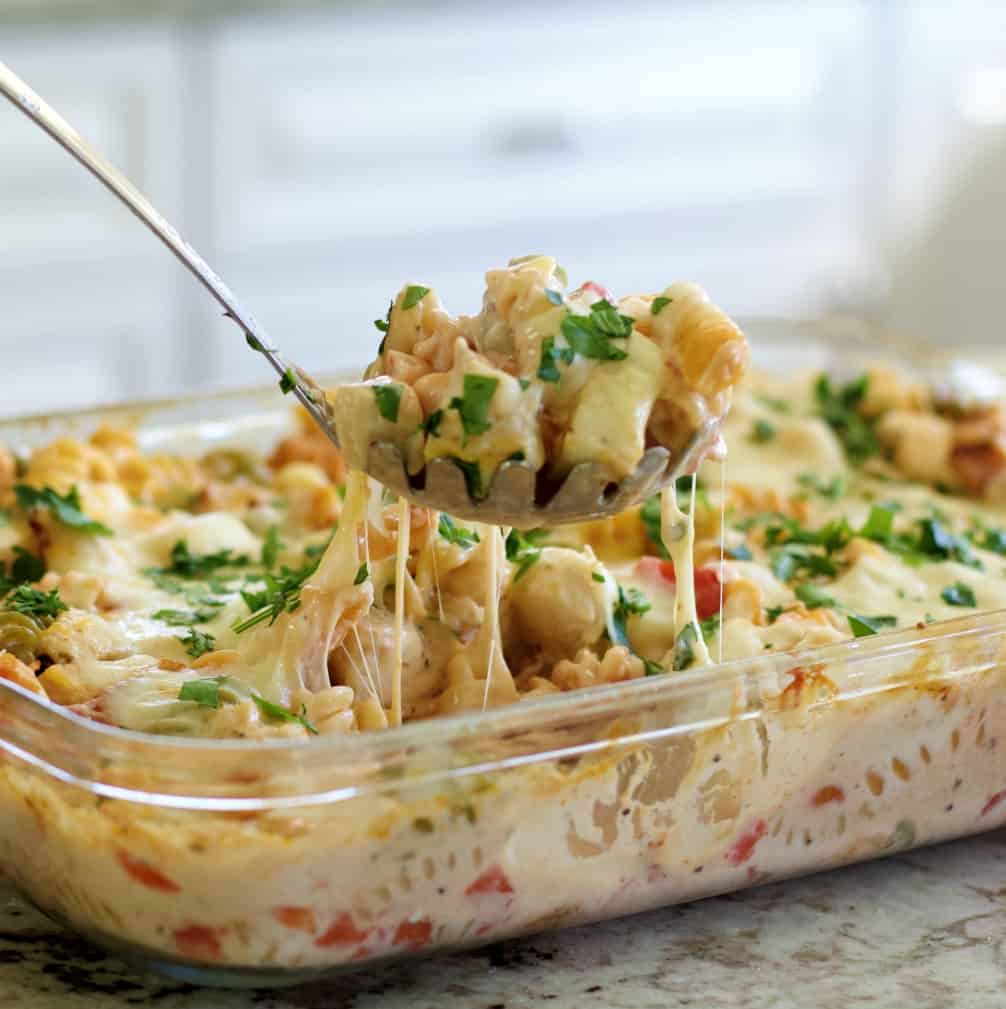
A whole chicken is a perfect example. Roast it for dinner, then pull the remaining meat from the bones. That cooked chicken can become another meal—a chicken noodle casserole, soup, sandwiches, tacos or whatever works with the other ingredients you have on hand. And yes, you can also do this with a Costco Deli Chicken for 5$ a bird. Hard to beat that.
And don’t throw away that chicken carcass. The bones and scraps can be simmered into stock or bone broth and frozen or preserved for future meals. One chicken has now provided a roast dinner, cooked meat for another meal and a useful ingredient for soups, sauces, gravies, rice and casseroles.
Older generations of home cooks, like me, routinely work this way because stretching the food budget matters and we never waste anything if we can help it. It still matters. Learning to use the whole food you paid for is one of the simplest ways to get more value from your grocery budget—and it also makes future dinners easier. It’s all in the rhythm of kitchen life. If it works for you, do it!
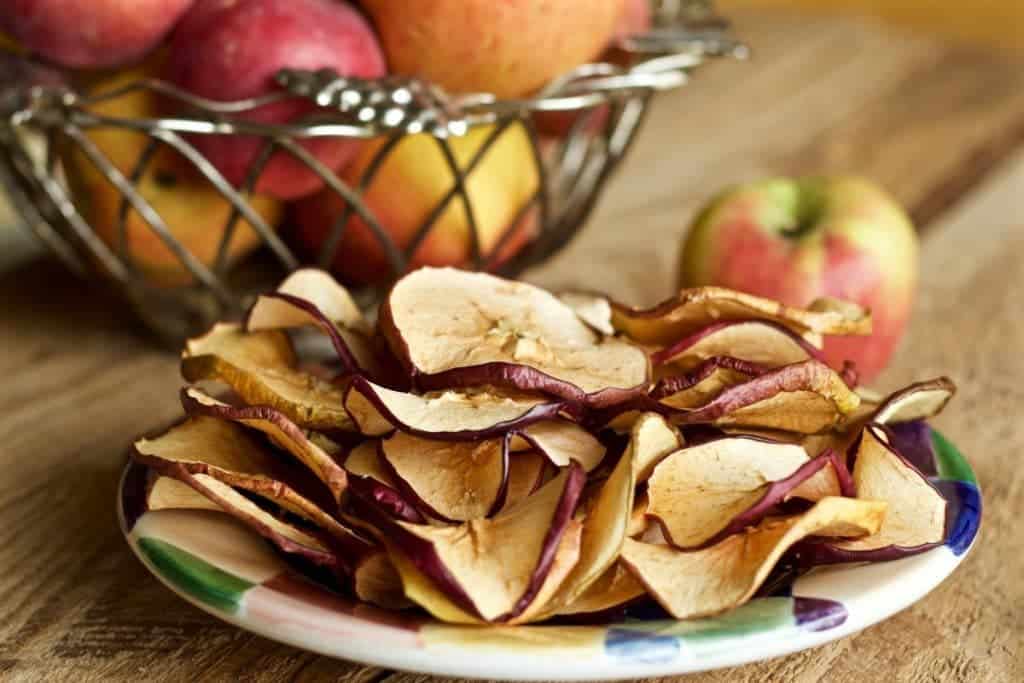
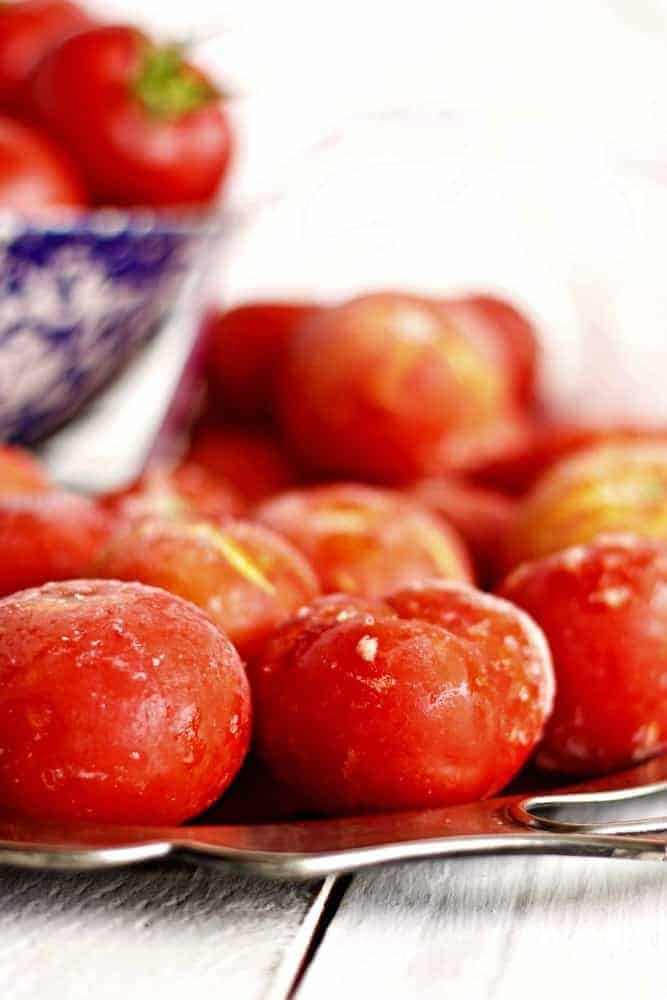
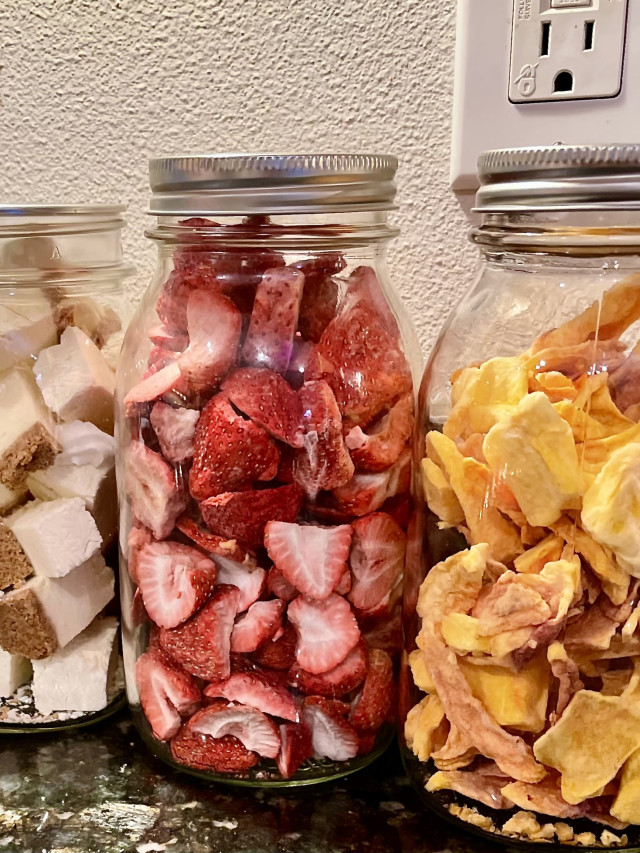
Home Dried Apple ChipsFreezing whole tomatoesFreeze Dried Snacks
Home food preservation is another form of pantry building. Some examples include Freezing Tomatoes Whole, dehydrating Apples slices,Home Freeze dried foods , canning juices and other preservation methods allow you to save seasonal foods, garden produce, bulk purchases and meal components for later use. Instead of beginning every dinner with ingredients purchased specifically for that meal, you’re gradually creating your own inventory of useful foods.
You don’t have to do all of these things to cook well. Start with the methods that make sense for your household. But learning to look at surplus food and ask How can I use or preserve this for another meal? is an important part of becoming a resourceful home cook.
Recipes Become More Useful When You See the Structure Behind Them
Recipes are valuable. They teach techniques, introduce flavor combinations, provide reliable proportions and give us new ideas.
But once you begin noticing the structure behind recipes, your recipe collection becomes more flexible. You may realize that the chicken in one recipe can be replaced with leftover pork, that roasted vegetables can move from a side dish into pasta, or that a sauce you love can work with several different proteins. By transforming the flavor profile you can make an old stand by dinner into something new.
That is when cooking from what you have becomes much easier. You are no longer waiting to discover the one recipe that exactly matches the contents of your refrigerator. You are using recipes as tools and inspiration while understanding how to build the meal yourself.
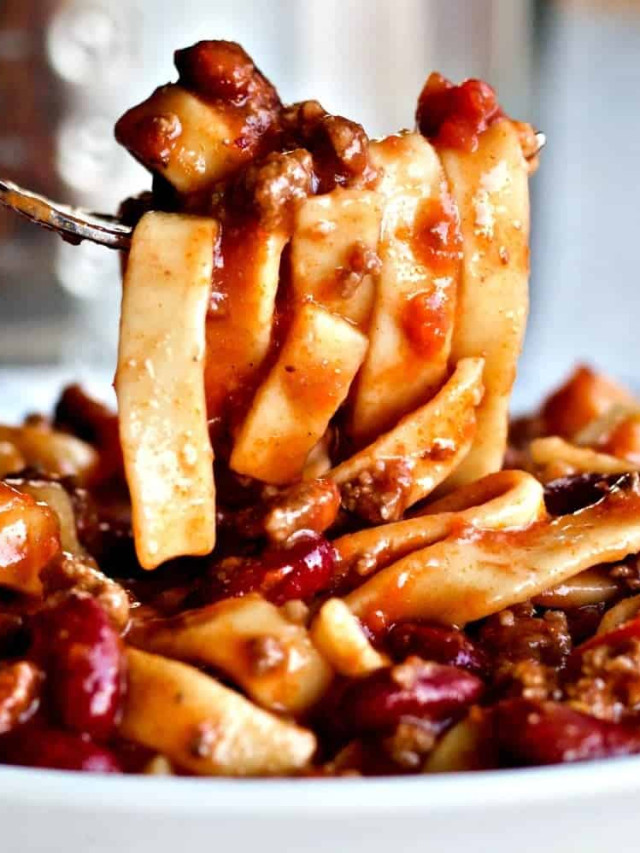
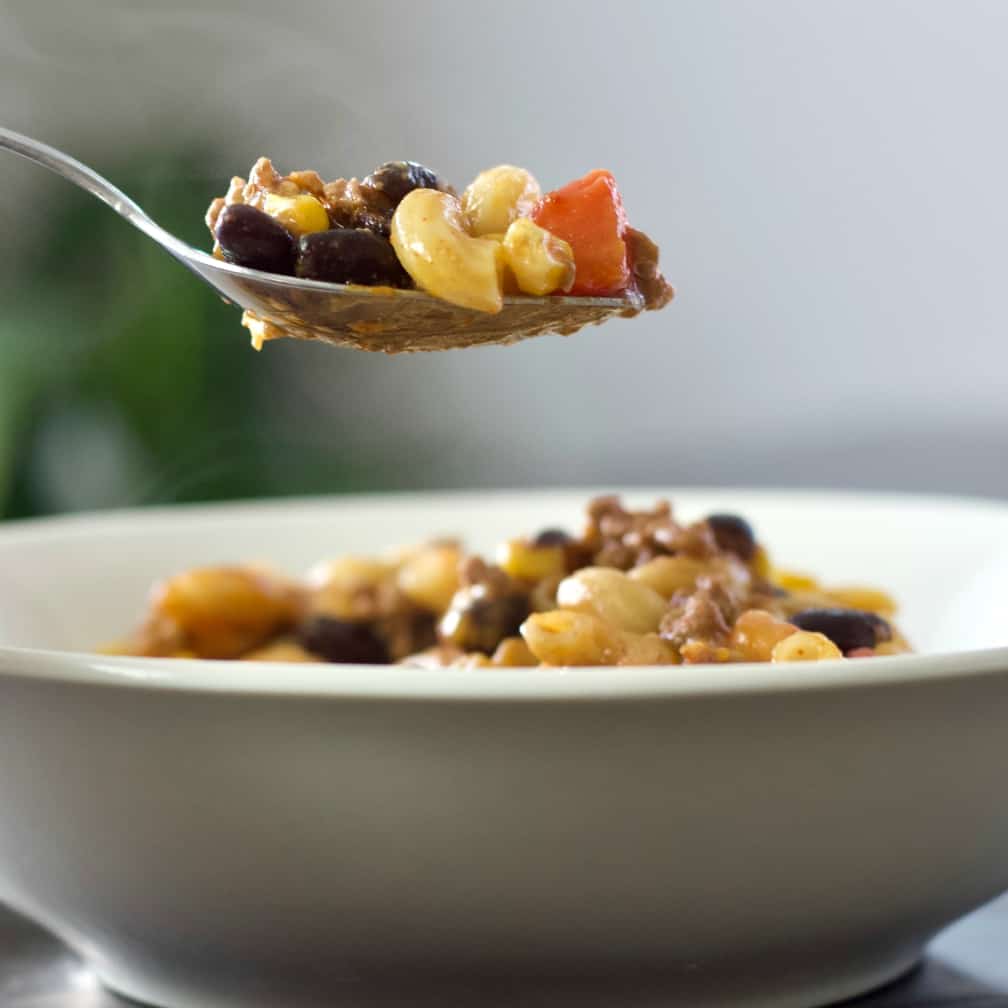
Taco Chili Mac and Cheese is easy to make from pantry ingredients in about 30 minutes.
There is no single correct way to organize weeknight cooking.
Some cooks are happiest with seven dinners planned before the grocery trip. Others prefer a stocked pantry and freezer that let them decide at five o’clock what sounds good. Many of us move between those approaches depending on the season of life, work schedules and how much time we have.
What matters is learning to see the food in your kitchen as connected possibilities.
Start with what you have. Find the anchor. Look for compatible building blocks. Choose a flavor direction and a practical cooking method. And when it makes sense, cook enough of one useful component to give yourself a head start on another meal.
That is meal architecture in a working home kitchen: not making dinner more complicated, but understanding your ingredients well enough to make dinner easier.
FAQs For Pantry Cooking:
What does it mean to cook with what you have?
It means starting with ingredients already in your pantry, refrigerator or freezer and building a meal around them rather than choosing a recipe first and shopping for every ingredient.
Is cooking from the pantry the same as meal planning?
Not necessarily. Meal planning usually chooses meals before shopping. Pantry-first cooking often starts with food already on hand. Both approaches can use the same meal-building principles.
What are the best staples for easy weeknight dinners?
The best staples are foods your household actually eats and that work in several meals. Pasta, rice, potatoes, beans, canned tomatoes, broth, tortillas, sauces, herbs and spices are common examples.
How can I make leftovers feel like a new meal?
Treat the leftover food as a prepared ingredient. Cooked meat can become tacos, sandwiches, soup or casseroles; rice can become fried rice; roasted vegetables can move into pasta, eggs, soup or grain bowls.
Visit our Weeknight Dinners Hub For Even More Ideas on Pantry Building and Easy Weeknight Recipes:
Diane Williams is co-founder of Homemade Food Junkie and the primary editor and publisher of the site. She develops from-scratch recipes, sourdough baking tutorials, and garden-to-kitchen content designed to help home cooks succeed.