How to Cook Rice and Build Easy Rice Dinners
As an Amazon Associate and member of other affiliate programs we earn a small commission from qualifying purchases through our affiliate link. For more information read our Entire Affiliate Disclosure.
Rice is a versatile pantry staple that can quickly become a side dish, skillet, casserole, stew, grain bowl or complete one-pan meal. Learn how rice type, liquid, cooking method and flavor-building techniques work together so you can make easy rice dinners your family will love.
Rice is one of the most useful ingredients in a working pantry. It is inexpensive, easy to store and mild enough to work with almost any combination of meat, vegetables, broth and seasonings. A pot of rice can become a simple side dish, but it can also provide the backbone for many easy rice dinners.
That flexibility is what makes rice so valuable on a busy weeknight. You do not always need a specific rice recipe or a long shopping list. Begin with the rice you have, look through the refrigerator, freezer and pantry, and build the meal from there.
The type of rice, the cooking liquid and the way you handle the grains all affect the finished meal. Toasting rice creates deeper flavor and a more distinct texture. Cooking it in broth rather than water builds seasoning into every grain. Combining it with quinoa or another grain can make the base heartier and more interesting.
Once you understand those choices and tweaks, rice stops being an afterthought and becomes one of the tools you can use to get dinner on the table.
Why Rice Works So Well for Weeknight Dinners
Rice can support almost any flavor direction. It works with chicken, beef, pork, seafood, beans and eggs. It can stretch a smaller amount of meat across more servings, absorb a flavorful sauce and tie together odds and ends of vegetables into a complete meal.
Depending on what is available, cooked rice can become:
- A chicken, beef or vegetable rice skillet
- A base for stir-fry
- A taco, burrito or grain bowl
- A casserole or one-pot dinner
- Fried rice made with planned leftovers
- A hearty addition to soup or a Stew like this Crockpot Beef and Rice Stew
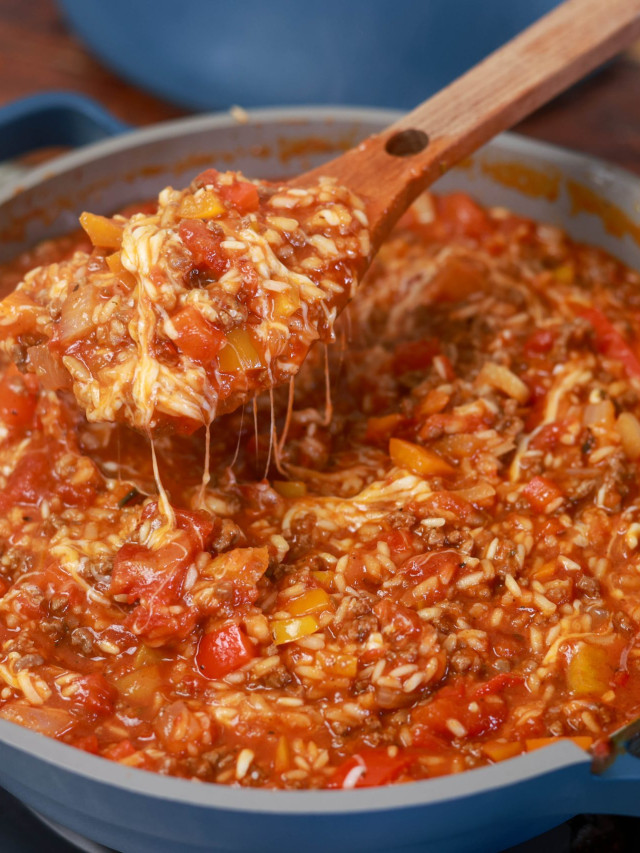
- A filling for peppers, or make our Quick and Easy Unstuffed peppers dinner
- A side for saucy meat, beans or vegetables
Rice is especially useful when you cook the way many experienced home cooks do: begin with the protein or main ingredient you need to use, then build the rest of dinner around it.
Which Rice Should You Keep in the Pantry?
A useful pantry does not need every variety of rice. It needs ingredients you understand, enjoy and can turn into several different meals.
For most households, two everyday rice choices and one optional specialty variety provide plenty of flexibility.
Long-Grain White Rice: The Everyday Workhorse
Long-grain white rice is the rice I use most often. It cooks relatively quickly, has a mild flavor and works with nearly every style of weeknight dinner.
Use it for rice skillets, chicken and rice dinners, Mexican-inspired rice, stir-fries, bowls, soups, casseroles, fried rice and simple side dishes. Its cooked grains remain relatively light and separate, allowing it to carry a sauce without making the meal feel excessively heavy.
White rice also keeps well in a tightly closed container in a cool, dry pantry, so it is a practical ingredient to buy in a quantity your household will use. Utah State University Extension offers additional guidance on storing white rice for the pantry or longer-term food storage.
Brown Rice: A Heartier Whole-Grain Choice
Brown rice retains its bran and germ. It brings a nuttier flavor, firmer texture and more substantial character to dinner. I have considerable experience with short-grain brown rice, which cooks into a chewy base with more natural cohesion than long-grain white rice.
Brown rice works especially well in rice and quinoa blends, grain bowls, warm salads, stuffed vegetables, mushroom dishes, casseroles and meals with roasted vegetables.
Its longer cooking time makes it less convenient when dinner needs to be ready immediately. Cooking it ahead and refrigerating or freezing it in meal-size portions solves that problem.
The natural oils in the bran and germ also mean brown rice does not keep as long as white rice. Buy an amount you can rotate regularly, or refrigerate or freeze the uncooked rice if it will be stored for an extended period. The Whole Grains Council explains why intact whole grains require more careful storage than refined grains.
Choose One Specialty Rice for the Meals You Make
The third rice in your pantry should reflect how your household actually eats. There is little benefit in storing a specialty rice that only works in meals you rarely prepare.
Possibilities include:
- Jasmine rice for stir-fries, curries and Southeast Asian-inspired meals
- Basmati rice for Indian, Middle Eastern and aromatic pilafs
- Wild rice or a wild-rice blend for soups, mushrooms, poultry and hearty autumn dinners
- Arborio rice for risotto and other creamy rice dishes
- Parboiled rice when firm, separate grains and dependable cooking are priorities
- Instant rice when getting dinner ready very quickly is more important than creating a particular rice texture
Jasmine and basmati are both long-grain rices. If ordinary long-grain white rice already meets your needs, you do not necessarily need either one. Add a specialty rice when its distinctive flavor or texture contributes something important to meals you cook regularly.
A Sensible Rice Pantry
An adaptable weeknight pantry can begin with:
- Long-grain white rice for quick, versatile everyday cooking.
- Brown rice for whole-grain texture and more substantial meals.
- One specialty rice suited to dinners your family enjoys.
- Quinoa or another rice partner for blends, bowls and pantry-based meals.
This is enough variety to make skillets, bowls, casseroles, stir-fries, soups, pilafs and side dishes. The goal is not to collect rice. It is to keep a small selection that reliably helps turn the other food in the kitchen into dinner.
Rice is only one part of a useful working pantry. Our guide to Pantry Staples for Easy Weeknight Dinners explains how to keep flexible ingredients in the pantry, refrigerator and freezer that can be combined into many different meals. Once those ingredients are in place, How to Cook With What You Have shows how to turn them into dinner by choosing a protein, a dependable backbone such as rice, vegetables, a flavor direction and the cooking method that brings everything together.
Choose the Rice for the Result You Want
Not every rice should be cooked or used in exactly the same way. The variety determines whether the finished grains will be separate, aromatic, chewy, creamy or naturally inclined to cling together.
| Rice type | Best general approach | Stirring guidance | Desired result |
|---|---|---|---|
| Long-grain white | The hot-start absorption method works well | Stir once, then leave covered | Fluffy, separate grains |
| Basmati | Often rinsed or soaked; follow the recipe or package | Minimal stirring | Long, aromatic, separate grains |
| Jasmine | Absorption method, often with less liquid | Stir once at most | Soft, aromatic but distinct grains |
| Medium-grain white | Absorption method | Minimal stirring | Tender grains with some cling |
| Short-grain white | Often rinsed and soaked before cooking | Follow the specific recipe | Moist, cohesive grains |
| Brown rice | Hot or cold start with a longer cooking time | Minimal stirring | Chewy, tender grains |
| Arborio or risotto rice | Liquid is usually added gradually | Stir regularly | Creamy rice with a firm center |
| Parboiled rice | Absorption method | Minimal stirring | Firm, separate grains |
| Wild rice | Simmer in ample liquid or use a tested absorption ratio | Occasional stirring is acceptable | Split, chewy grains |
Long-grain rice contains more amylose and is naturally inclined to cook into separate grains. Medium- and short-grain rice contain more amylopectin, the starch associated with a softer, more cohesive texture. Short-grain rice is not failing when it clings together; that is often the intended result.
Arborio and other risotto rices are a clear exception to ordinary no-stir guidance. Risotto is stirred because the cook deliberately encourages starch release to create a creamy sauce around the grains.
Wild rice is another special case. It is an aquatic grass seed rather than true rice and can be simmered in plenty of water and drained when tender, much like pasta.
Toast Rice to Build Flavor and Texture
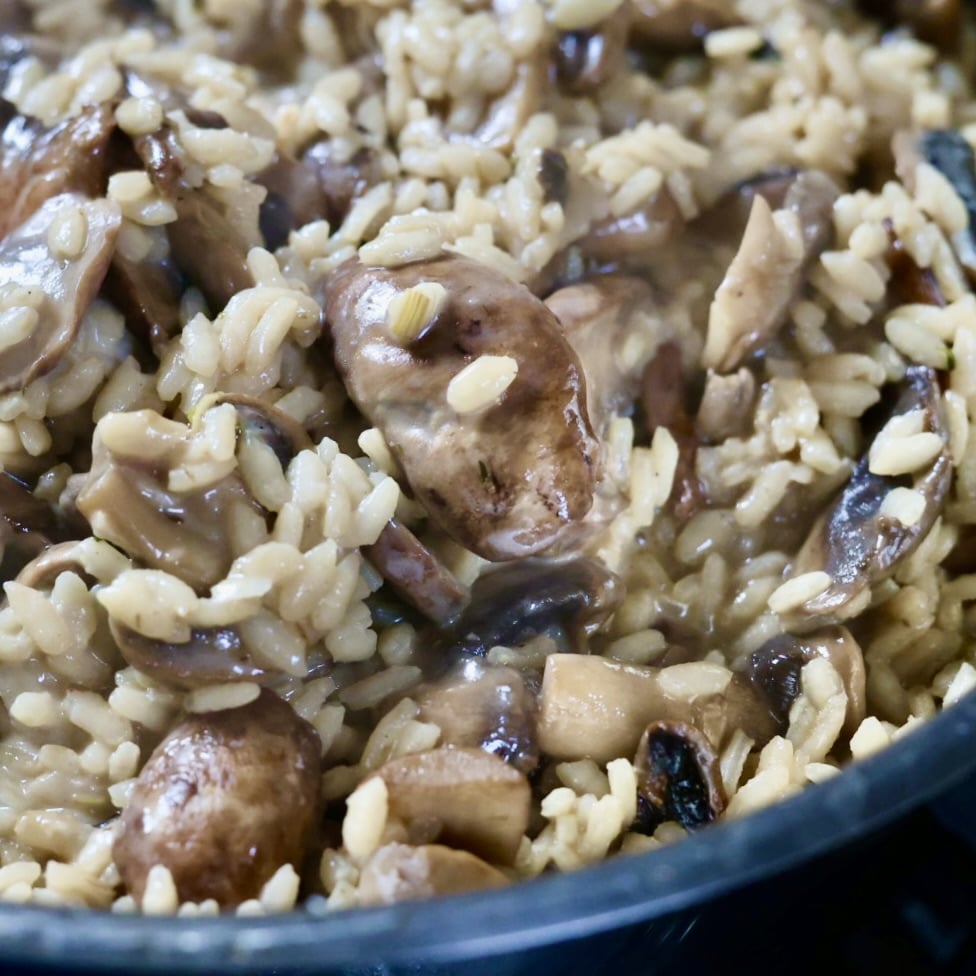
Toasting rice means cooking the uncooked grains briefly in butter or oil before adding the liquid. This simple step changes the role rice plays in the finished recipe.
The heat creates a lightly roasted, nutty flavor. Toasted rice also tends to remain firmer and more distinct after cooking, which is helpful in pilafs and skillets where you want the grains to hold their shape.
Toasting does not seal the rice or stop it from absorbing liquid. The grains will still hydrate normally. It simply adds flavor and can encourage the looser texture desired in many savory rice dishes.
How to Toast Rice
Heat a small amount of butter, olive oil or another cooking fat in a saucepan or skillet. Add the uncooked rice and stir it frequently over medium heat.
At first, the grains will look glossy as they become coated in fat. Continue cooking until they smell lightly nutty and begin to look opaque, pearly or faintly golden. This generally takes several minutes.
Watch the pan carefully. Once rice begins to brown, it can move from toasted to scorched quickly.
If you rinse the rice first, drain it very thoroughly before adding it to hot fat. Water clinging to the grains can cause the oil to spit, and the moisture will steam the rice until it evaporates.
Direct the Flavor From the Beginning
The fat used for toasting becomes part of the flavor profile. Butter creates a rich, comforting side dish. Olive oil suits Mediterranean-style meals. A neutral or avocado oil works with Mexican-inspired rice. A small amount of sesame oil combined with a neutral oil can complement an Asian-inspired dinner. Rendered bacon fat adds a smoky note to rice served with beans, greens or meat.
Onion, garlic, celery or peppers can be sautéed in the same pan. Spices may also be warmed briefly in the fat before the liquid is added.
Cumin, chili powder and oregano move the rice toward a Mexican-inspired meal. Turmeric, cumin, coriander or curry powder can begin a warmly spiced bowl. Garlic, thyme and chicken stock create a familiar savory base for chicken, vegetables or a casserole.
At this stage, the cook is doing more than preparing rice. The cook is establishing the flavor direction for dinner.
Treat the Cooking Liquid as an Ingredient
Rice absorbs its cooking liquid, so that liquid becomes part of the flavor of every grain. Replacing plain water with broth or another seasoned liquid is one of the easiest ways to make rice contribute more to dinner.
Chicken, beef and vegetable broth all work well, but the liquid should suit the rest of the meal. Chicken stock makes a versatile base for a brown rice and quinoa blend. Beef broth supports mushrooms, ground beef or slow-cooked meat. Vegetable broth works well in grain bowls, meatless skillets and rice served with roasted vegetables.
Flavorful possibilities include:
- Broth or stock
- Water seasoned with bouillon
- Coconut milk diluted with water or broth
- Tomato juice, tomato sauce or salsa diluted with water
- Cooking liquid seasoned with garlic, ginger, herbs or spices
- A mixture of broth and water when full-strength broth would be too salty or strong
Rice concentrates the flavor of its liquid as it absorbs it. Strongly salted broth, bouillon, soy sauce and other salty ingredients can overpower the finished rice. Taste the liquid and adjust any additional salt accordingly.
Thick ingredients such as coconut milk, tomato sauce and salsa should not ordinarily replace all the water. Dilute them so the rice has sufficient free moisture to hydrate and the bottom of the pan is less likely to scorch.
How Much Liquid Does Rice Need?
The traditional rule of thumb is two parts liquid to one part uncooked rice by volume. It remains a useful starting point, particularly for ordinary long-grain white rice cooked on the stovetop.
It is not a universal formula. The rice variety, pot, strength of the simmer, tightness of the lid, rinsing and quantity being cooked can all affect the amount required.
| Rice | Approximate liquid for 1 cup rice | Approximate cooking time |
| Long-grain white rice | 1 1/2 to 2 cups | 15 to 20 minutes |
| Medium-grain white rice | About 1 1/2 cups | 15 to 20 minutes |
| Short-grain white rice | About 1 1/4 to 1 1/2 cups | 15 to 20 minutes |
| Long- or medium-grain brown rice | 1 3/4 to 2 1/4 cups | 40 to 45 minutes |
| Wild rice | About 3 cups | 40 to 50 minutes |
These are starting points rather than guarantees. Check the package directions because the producer knows how that particular rice was milled and processed. USA Rice gives two parts liquid to one part rice as a general rule while noting that different rice types may need more or less. Lundberg Family Farms commonly recommends about 1 1/2 cups water for its long-grain white rice and about 1 3/4 cups for some brown rice varieties.
The variation also matters when rice is cooked with quinoa or another grain. A tested blended-grain recipe is more reliable than simply combining the separate package ratios because both ingredients share the same liquid and cooking space.
Should Rice Go Into Cold or Boiling Liquid?
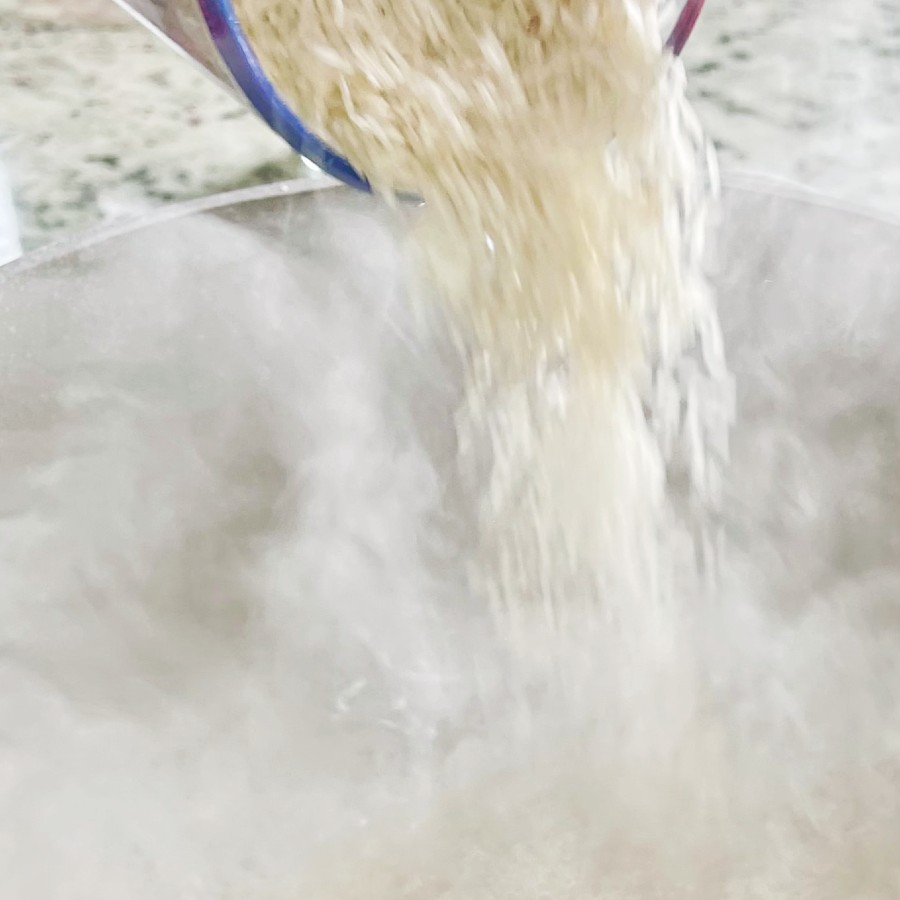
Rice can be cooked successfully by combining it with cold liquid and bringing the pot to a boil, but I prefer to bring the liquid to a boil before adding long-grain white rice.
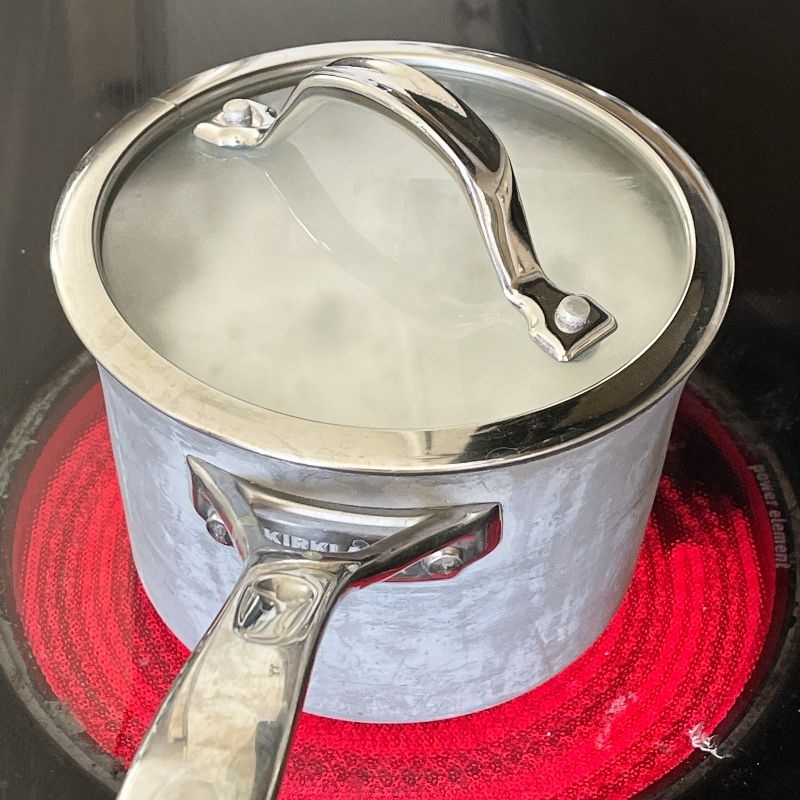
In my kitchen, rice started in cold water is more likely to settle together and cook into clumps. Adding it to boiling liquid helps disperse the grains immediately. I stir it once, reduce the heat to a low simmer, cover the pot and cook it for about 20 minutes without stirring again.
There is a physical reason the two methods can produce somewhat different results. Rice absorbs water as it sits and heats. As the temperature rises, its starches swell, gelatinize and release some starch into the surrounding liquid. A slow warm-up gives the grains more time to hydrate and remain in contact before the water actively simmers. Depending on the rice, its surface starch and the speed at which the pot heats, this can encourage clumping.
Adding rice to boiling liquid moves it more quickly into active cooking. The moving liquid initially helps distribute the grains, and one brief stir separates them before the pot is covered.
That does not make a cold start wrong. Rice cookers commonly begin with cold water and produce excellent results because their heat cycles are designed for that method. Rinsing, water quantity and rice variety may affect stickiness more than the starting temperature. Short-grain rice is also meant to be more cohesive than long-grain rice.
For the long-grain white rice I use most often:
- Bring the measured cooking liquid to a boil.
- Add the rice and stir once to distribute the grains.
- Let the liquid return to a gentle simmer.
- Reduce the heat, cover the pot and set the timer for about 20 minutes.
- Do not stir or repeatedly lift the lid.
- Remove the pot from the heat and let it rest, covered, for five to ten minutes.
- Fluff the finished rice gently with a fork.
When rice has first been toasted, add the measured liquid to the toasted grains, bring it to a boil, then cover the pot and reduce the heat to a low simmer.
Should You Stir Rice While It Cooks?
The useful rule is not that rice must never be stirred. It is: Stir enough to distribute the grains, then leave them alone while they cook.
Repeated stirring rubs and agitates the grains, releasing more starch into the liquid. The rice can become softer and stickier instead of remaining fluffy and distinct. Removing the lid repeatedly also releases the steam required for even cooking. USA Rice similarly advises cooks not to stir during the covered cooking period when separate grains are desired.
There are intentional exceptions. Risotto is stirred because the cook wants the rice to release starch and form a creamy sauce. Rice pudding also benefits from a softer, starchier texture. The decision depends on the result the recipe is designed to create.
Once ordinary rice has cooked, remove it from the heat but leave it covered for five to ten minutes. This resting period allows the remaining moisture to distribute and the grains to finish steaming gently. Fluff with a fork rather than stirring vigorously with a spoon.
Blend Rice With Other Grains
Rice does not always have to stand alone. Blending it with another grain can change its flavor, texture and nutritional contribution while giving the cook more ways to use the pantry and build nutritional variety into easy rice dinners.
Some grains have compatible cooking times and can share a pot. Others should be added later or cooked separately and combined after cooking.
| Blend | What it adds | Best weeknight use |
| Brown rice and quinoa | Protein, texture and nuttiness | Bowls, sides, skillets and stuffed vegetables |
| Rice and couscous or orzo | Contrasting texture and quick variety | Pilafs and family-friendly side dishes |
| Rice and lentils | Protein, fiber and staying power | Budget dinners, bowls, soups and meatless meals |
Brown Rice and Quinoa
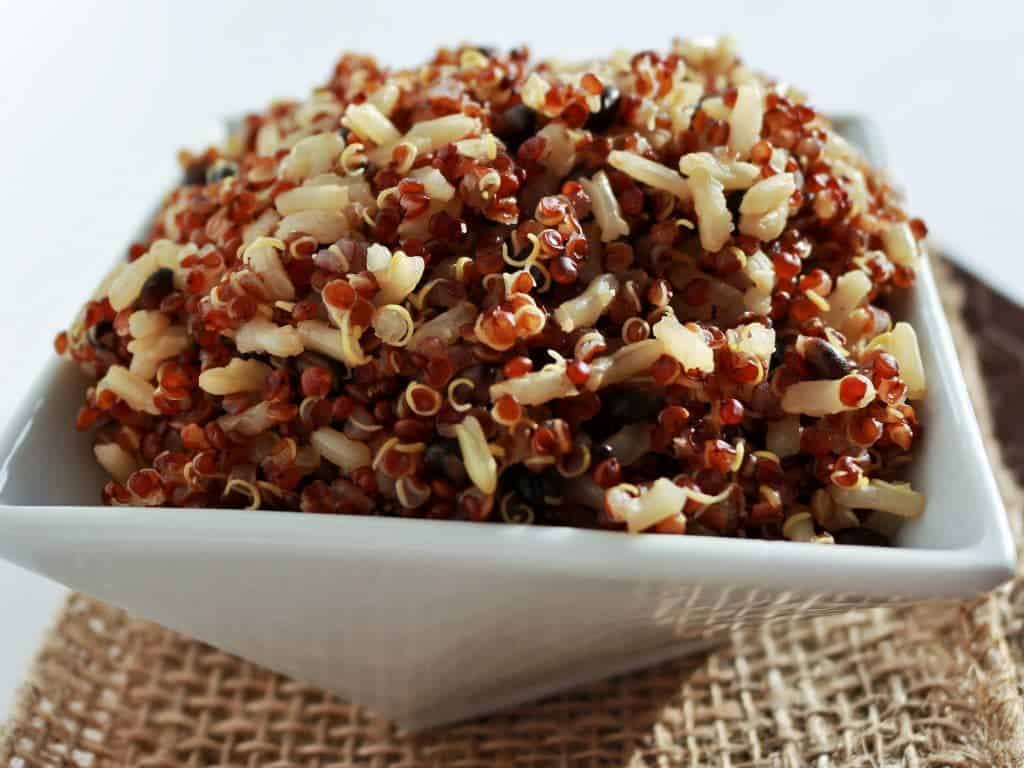
Brown rice and quinoa make an especially useful blend. Quinoa contributes protein, a slight nuttiness and a looser texture, while brown rice gives the mixture substance and chew.
My [Brown Rice and Quinoa Blend] is cooked in chicken stock, making it flavorful enough to serve as a side but versatile enough to become the base of another meal. Serve it with chicken and roasted vegetables, use it in grain bowls, tuck it into stuffed peppers or add leftover meat and vegetables for a quick skillet dinner. This rice blend is also very useful as a leftover side or dinner add in. The combination of these two grains adds flavor, texture and nutrition to rice dishes.
This demonstrates an important pantry principle: make a flexible base flavorful once, then take it in several different directions.
White rice or even wild rice and quinoa can also be cooked together when their cooking times are compatible. Rinse quinoa well and use a tested recipe because the two ingredients do not necessarily absorb liquid at the same rate. You may have to adjust how you cook your rice blends if they don’t complete cooking simultaneously.
Rice and Couscous
Couscous is technically a small pasta rather than a whole grain, but cooks use it in many of the same ways. Regular couscous cooks far more quickly than rice, so it should not be simmered with most rice from the beginning.
Cook it separately and combine it with the rice, or add it near the end with the amount of liquid it needs. Pearl couscous is larger and sturdier but still cooks differently from rice. Toasting it before combining it with cooked rice creates a pilaf-like base with contrasting textures.
Rice and Orzo or Vermicelli
Rice mixed with toasted orzo or broken vermicelli is another familiar pilaf approach. Brown the pasta in butter or oil before adding the rice and liquid. This combination does not provide the same nutritional boost as quinoa or a whole grain, but it shows that blending can be used to create flavor and texture as well as nutrition.
Brown Rice and Wild Rice
Brown rice and wild rice create a substantial, chewy blend that works with chicken, mushrooms, winter squash, toasted nuts, dried cranberries, soups and casseroles.
Wild-rice cooking times vary, so a packaged blend or tested recipe is more reliable than combining arbitrary quantities. This is a useful choice for hearty autumn and winter dinners, although it requires more cooking time than white rice.
Rice and Other Grains
Barley, millet and bulgur can all be paired with rice, but their cooking times and liquid requirements differ.
Barley makes a chewy, savory base for mushroom dishes, soups and casseroles. Millet is mild and can become soft or creamy when cooked with more liquid. Bulgur cooks quickly and is usually added near the end or prepared separately before being combined with rice for Mediterranean-style bowls, stuffed vegetables and grain salads.
The lesson is simple: a grain blend does not always have to begin in one pot. Cook each component correctly and combine them when that produces the better texture.
Rice and Lentils
Lentils are legumes rather than grains, but they deserve a place in this discussion because they fit pantry cooking and budget dinners so well.
Rice and lentils together create a filling base with additional protein and fiber. Depending on the lentil, they can be cooked together or combined after cooking. Use the mixture for lentil and rice bowls, curried dinners, tomato-based skillets, soup or a mujadara-inspired meal with deeply browned onions.
How to Use Rice in One-Pan Dinners
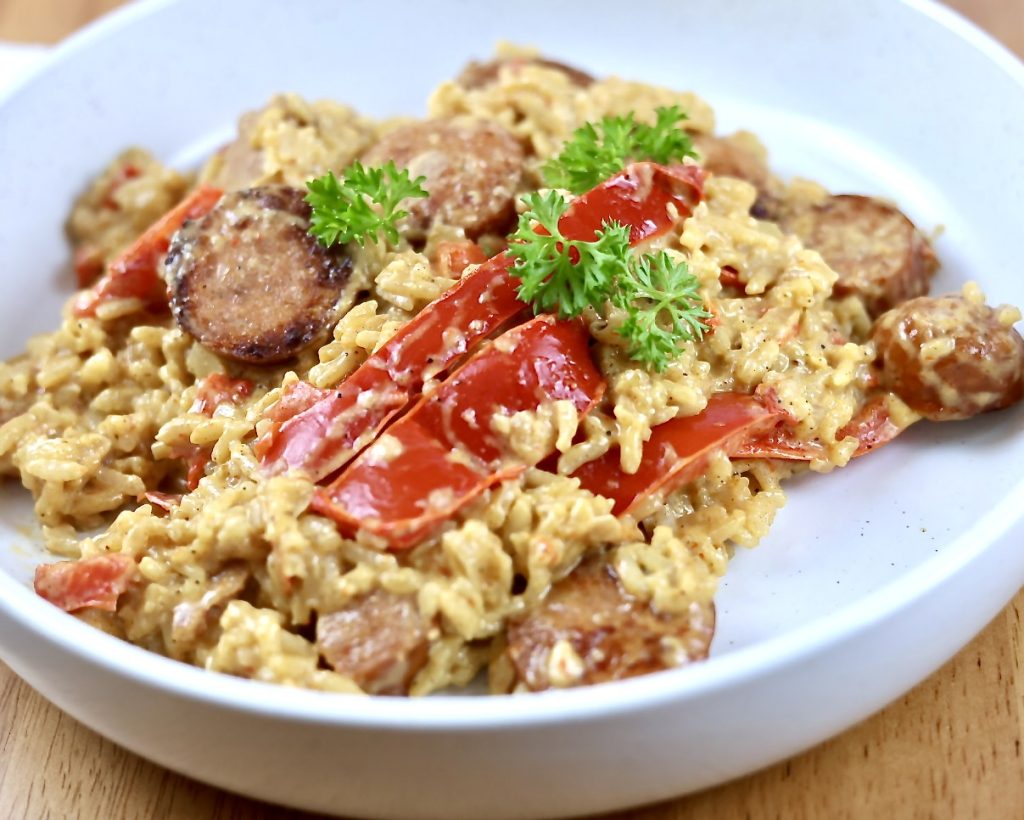
Easy rice dinners often start by cooking the rice separately and serving it beneath a finished dish. But it can also cook directly with meat, vegetables, broth and seasonings. When rice cooks in the same pan, it absorbs flavors released by all the other ingredients, and saves you dishes.
The secret to a successful one-pan rice dinner is knowing whether the recipe begins with raw rice or cooked rice. The two are not interchangeable. Raw rice needs measured liquid, covered cooking and enough time to hydrate. Cooked rice needs only enough liquid and time to heat through and absorb some flavor.
Cooking Raw Rice in a Skillet
A basic rice skillet can be built in layers:
- Brown the meat and remove it temporarily if it could overcook.
- Sauté onions, garlic, peppers or other aromatics.
- Add the raw rice and toast it briefly in the cooking fat.
- Stir in the seasonings.
- Add the measured broth or other cooking liquid.
- Return the meat to the pan when appropriate.
- Bring everything to a simmer.
- Cover the pan tightly and reduce the heat.
- Cook without stirring until the rice is tender.
- Rest the covered skillet for several minutes before fluffing and serving.
This sequence develops flavor before the rice begins absorbing liquid. Browning creates savory flavor in the pan, while toasting the rice gives it a nuttier taste and can help the grains remain more distinct.
A wide skillet may lose more moisture than a small saucepan, especially if its lid does not fit tightly. A familiar stovetop rice ratio may therefore need adjustment in a skillet recipe. Follow a tested recipe the first time. Once you understand how your rice, pan and stove work together, you can make more confident substitutions.
Match the Protein to the Rice Cooking Time
The meat and rice need to finish cooking at approximately the same time.
Ground beef, bulk sausage or small pieces of pork can be browned before the rice and liquid are added. Bone-in chicken thighs tolerate a longer simmer and work well in one-pan rice dishes. Small pieces of chicken breast and quickly cooking seafood can become dry if they remain in the pan for the entire rice-cooking period.
Faster-cooking proteins can be browned, removed and returned near the end. Shrimp and fully cooked leftover meat should generally be added during the final portion of cooking so they heat through without becoming tough. Confirm that raw meat and poultry reach a safe final temperature rather than relying only on the rice timer.
Consider the Vegetables
Vegetables release different amounts of moisture and require different cooking times.
Firm vegetables such as carrots, celery and peppers can be sautéed before the liquid is added. Mushrooms benefit from browning so they release some moisture and develop flavor. Frozen peas, corn and small mixed vegetables can be added near the end. Tender spinach can be folded into the finished rice and allowed to wilt in the remaining heat.
Watery vegetables, canned tomatoes, salsa and frozen ingredients contribute liquid to the pan. They may change how much additional broth the rice needs. Thick tomato sauce and salsa should be diluted because rice requires enough free-flowing liquid to hydrate evenly.
Once raw rice and liquid are simmering, cover the pan and resist the temptation to stir. If vegetables or cheese need to be added near the end, work quickly and replace the lid so the pan does not lose too much steam.
Using Cooked Rice in a Skillet
Cooked rice is easier to add by instinct because it has already absorbed the water needed to soften the grains. It works great for quick and easy rice dinners like blackstone chicken fried rice or any other stir fry dinner that needs a bit of bulking up.
Brown the protein and vegetables, add the sauce or seasonings, and fold in the cooked rice near the end. Add only enough broth, sauce or other liquid to flavor and moisten the meal. Too much liquid can make cooked rice swollen and mushy.
Cooked rice works especially well in fried rice, ground-meat skillets, taco bowls, stuffed-pepper fillings and quick combinations of leftover meat, vegetables and gravy.
Cold cooked rice may need to be broken apart before it is added. Sprinkle a small amount of water or broth around the pan, cover it briefly and let the steam loosen the grains.
Baking Rice in a Casserole
Rice can also cook by absorption in a covered casserole. The oven provides steady surrounding heat, making this method useful for chicken-and-rice dinners and other assembled meals.
The casserole needs the correct amount of hot liquid, a tightly covered baking dish, ingredients with compatible cooking times and enough resting time for the rice to finish absorbing moisture. Cold broth, a loose foil cover or an excessively large dish can slow cooking and allow too much moisture to escape.
A tested recipe matters here. Adding raw rice to an existing casserole without adjusting its liquid and cooking time is unlikely to work well.
When to Cook the Rice Separately
Cooking rice separately is often the better choice when the sauce is extremely thick, the protein cooks much faster than the rice, you want very fluffy grains, or the original recipe was not designed to cook raw rice.
A one-pan dinner is convenient only when all its components cook well together. Sometimes a separate pot of rice provides more control and produces the better meal.
Cooking Rice in a Slow Cooker
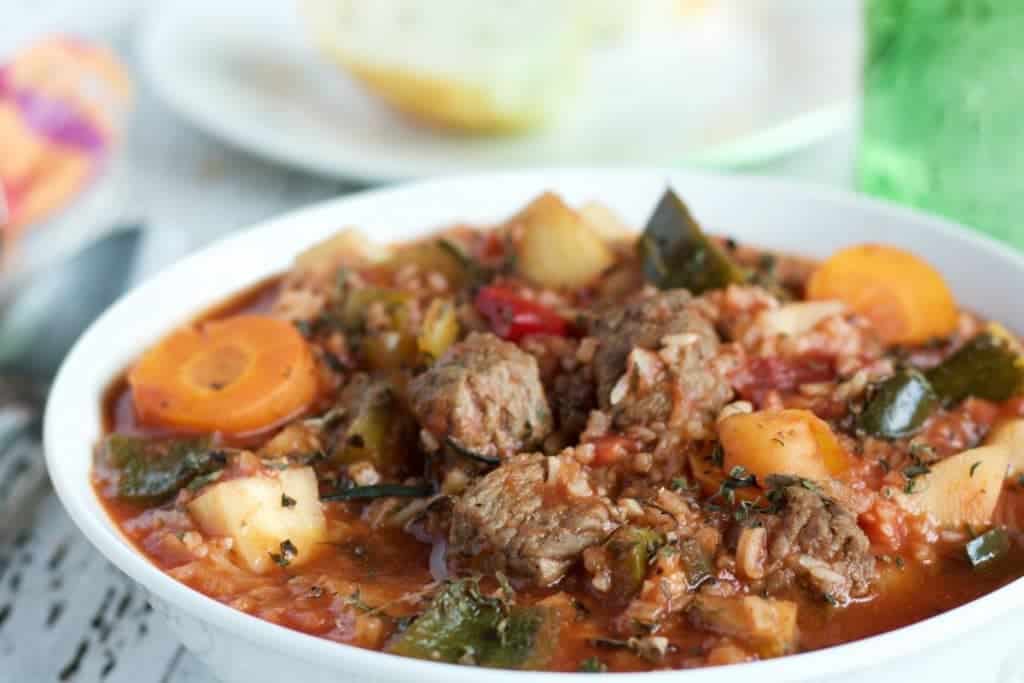
Uncooked rice can be added directly to a slow-cooker meal when the recipe contains enough liquid and the cooking time is designed for it. In our Slow Cooker Beef and Rice Stew, we intentionally use raw rice rather than precooked rice. As the raw rice hydrates, it absorbs the seasoned broth and releases some starch back into the stew. This naturally thickens the broth and adds to the hearty character of the finished meal. Precooked rice does not contribute in quite the same way and can become overly soft if it remains in the slow cooker too long, spoiling the texture of the stew. If you have precooked rice and add it to this stew recipe, you will need to add it at the end of cooking and stir it in well.
The uncooked rice is therefore doing more than replacing a separately cooked starch. It becomes part of the stew’s structure, flavor and texture. However, raw rice also changes the liquid balance of the entire recipe. The slow cooker must contain enough free liquid to cook the rice while retaining the desired amount of broth.
Rice Needs Free Liquid to Soften
Rice cooks by absorbing water. If there is not enough available liquid, the outside of the grain may soften while its center remains crunchy or chewy.
A slow-cooker meal may look moist but still lack enough free liquid for rice. Thick tomato sauce, condensed soup, melted cheese and other dense ingredients contribute moisture, but they do not hydrate rice as efficiently as water or broth. Meat, beans and vegetables may also absorb liquid while the rice is cooking.
If the rice remains firm but most of the broth has disappeared, add a small amount of hot water or hot broth. Stir gently, cover and continue cooking until the grains are tender. Add the liquid gradually so the stew does not become diluted and fully cooked rice does not become overly soft.
Rice will continue absorbing broth after the slow cooker is turned off. A stew that looks properly brothy when the rice becomes tender may grow considerably thicker as it rests. Add a little more broth before serving or when reheating leftovers if necessary.
Use the amount and timing established in the recipe. If you add more raw rice to stretch the meal, increase the liquid appropriately. A recipe developed for long-grain white rice may also require adjustments if brown, short-grain, instant or wild rice is substituted.
What About Rice Cookers and Pressure Cookers?
Rice cookers and electric pressure cookers provide convenient alternatives to stovetop cooking, especially when rice will be prepared independently while the rest of dinner cooks.
A rice cooker controls its heating cycle and usually begins with rice and cold liquid. This is one reason a cold start that sometimes gives me clumpier rice in a saucepan can work very well in a rice cooker.
Pressure cookers reduce cooking time, particularly for brown rice and other whole grains. Their liquid ratios are not identical to stovetop ratios because very little water escapes during cooking. Follow the instructions for the appliance and rice variety rather than transferring a stovetop ratio directly.
Both appliances are useful for batch cooking. The finished rice can be served immediately, incorporated into a skillet or bowl, or cooled promptly and stored for another meal.
Rice Traditions Teach Us to Cook for the Intended Texture
Rice is used across the world, but traditional dishes are built around different grains and cooking techniques. The method that produces fluffy American-style long-grain rice will not create creamy Italian risotto or cohesive Japanese onigiri.
| Dish or tradition | What it teaches the home cook |
| Louisiana red beans and rice | Beans and rice are commonly cooked separately so the beans retain their creamy gravy |
| Japanese onigiri | Japanese short-grain rice naturally holds together; ordinary long-grain rice will not shape reliably |
| Chinese-style fried rice | Cooked, chilled rice is firmer and drier, helping the grains separate over high heat |
| Indian basmati dishes | Rinsing and often soaking encourage long, aromatic, separate grains |
| Italian risotto | Risotto rice is stirred deliberately to release starch and create creaminess |
| Spanish paella | Rice is generally left unstirred after the liquid is added and may form a browned bottom |
| Latin American tomato rice | Raw rice is often toasted before seasoned tomato liquid is added |
| Caribbean rice and peas | Rice cooks with beans or peas, coconut milk and seasoning, so the liquid must account for every ingredient |
Red Beans and Rice
In Louisiana-style red beans and rice, the beans and rice are commonly cooked separately. The beans simmer with aromatics, seasoning and often sausage until they soften and create a creamy gravy. They are then served over long-grain white rice.
If raw rice were added directly to the beans, it would absorb much of that flavorful gravy and release additional starch. The result would become a rice-and-bean stew rather than saucy red beans served over distinct rice.
Other cultures have excellent one-pot rice-and-bean dishes. The difference is the intended texture. Sometimes rice should absorb the cooking liquid; sometimes it should remain a separate base that carries the finished sauce.
Japanese Rice Balls
The familiar Japanese rice ball is called onigiri. It is generally made with Japanese short-grain rice, sometimes labeled sushi rice. The cooked grains contain enough amylopectin to cling together when gently pressed while still warm.
Onigiri is not ordinarily made from the glutinous rice used for mochi, even though it is sometimes casually described in English as a sticky rice ball. Japanese short-grain table rice is cohesive, but it is not the same as glutinous or sweet rice.
Long-grain white rice will not reliably hold an onigiri shape. Adding extra water does not turn it into the correct rice; it produces overcooked long-grain rice. Sushi rice may use a similar grain, but it is seasoned with a vinegar mixture, whereas onigiri may be plain, lightly salted, filled or wrapped with nori.
Before changing the rice or method in a dish from another cooking tradition, ask:
- Should the grains remain separate or cling together?
- Should the rice absorb the sauce or carry it?
- Is released starch desirable or undesirable?
- Does the rice cook separately or with the other ingredients?
- Does the dish depend on a particular rice variety?
These are not conflicting rice rules. Each method creates the texture intended for a particular dish. Understanding that intention helps cooks make unfamiliar rice recipes successfully while respecting what makes the original dish work.
Build Easy Rice Dinners From Five Parts
Once the rice is chosen, dinner can be assembled from five flexible parts:
- Rice or a rice blend: Use freshly cooked rice, a brown rice and quinoa blend or properly stored leftover rice.
- Protein: Add chicken, ground beef, bulk sausage, pork, seafood, eggs, beans or lentils. A small amount of sausage or bacon can also add flavor and juiciness to leaner meat.
- Vegetables: Use fresh vegetables or convenient frozen choices such as corn, peas, peppers, broccoli or mixed vegetables.
- Flavor direction: Choose broth, tomatoes, salsa, soy sauce, coconut milk, herbs, spices, cheese or another sauce that makes the ingredients belong together.
- Cooking method: Turn the combination into a skillet, bowl, stir-fry, soup, casserole, stuffed vegetable or one-pot meal.
For example, long-grain rice, chicken, corn, peppers and salsa can become a Mexican-inspired skillet. Rice, ground meat, mushrooms, peas and beef broth can move in a homestyle direction. Leftover rice, eggs, frozen vegetables and a savory sauce become fried rice.
The framework remains the same even when the ingredients change.
Cook Extra Rice With a Purpose
Cooking extra rice can make more easy rice dinners even easier, but it works best when you decide how the rice will be used.
One cup of dry rice generally produces about three cups cooked, although the exact yield varies by variety. Consider whether you need rice only for tonight or also want enough for fried rice, another skillet dinner, soup or frozen meal-size portions.
Extra white rice can become fried rice the following evening. A brown rice and quinoa blend can accompany chicken one night and form the base of a grain bowl or stuffed pepper later. Individual portions can also be frozen for nights when waiting for brown rice to cook is not practical.
Treat leftover rice as a prepared ingredient rather than an accidental leftover. Label it, store it promptly and give it a job in the meal plan.
Cooked rice is perishable. Divide a large batch into shallow containers and refrigerate it within two hours rather than leaving it on the counter to cool completely. Use refrigerated leftovers within three to four days or freeze them for later. These recommendations follow USDA guidance for safely handling leftovers.
Rice added directly to soup will continue absorbing broth after cooking. This can be desirable in a hearty stew, where the starch and softened grains add body. If you want a brothy soup to remain brothy, cook and store the rice separately and add it to individual bowls. Expect to add a little broth or water when reheating a rice-based stew.
Troubleshooting Cooked Rice
| Rice problem | Likely cause | How to correct it |
| Rice is crunchy and the pan is dry | Too little liquid or escaped steam | Add a little hot liquid, cover and continue cooking |
| Rice is chewy in the center | It has not fully hydrated | Add hot liquid and allow more covered cooking time |
| Rice is wet but still firm | Cooking was interrupted or uneven | Cover tightly and continue at a gentle simmer |
| Rice is gummy | Too much liquid, stirring or an unsuitable variety | Reduce liquid or agitation next time |
| Rice is scorched underneath | Heat was too high or the pan was too thin | Lower the heat and use a heavier pan |
| A rice skillet is dry | Rice and other ingredients competed for liquid | Add hot broth gradually and continue cooking |
| A stew has become too thick | Rice continued absorbing broth | Stir in additional broth when reheating |
| Precooked rice is mushy | It was added too early and cooked again | Add cooked rice only near the end |
Put the Rice Framework Into Practice
The next time dinner is undecided, begin by looking at what is already available.
- Which rice or cooked grain base do you have?
- Which protein needs to be used?
- Which fresh, frozen or leftover vegetables can join it?
- What broth, sauce, herbs or spices will establish the flavor direction?
- Would those ingredients work best as a skillet, bowl, soup, casserole or stir-fry?
There is no need for every rice dinner to begin with a special recipe. Once you understand the rice, the cooking liquid and the flavor-building techniques, you can use the pantry more confidently and adapt dinner to the ingredients your household already has.
For more ideas, visit our Easy Weeknight Dinners collection and these rice recipes:
- Mexican Rice and Chicken
- Brown Rice and Quinoa Blend
- Creamy Cajun Sausage Rice Dinner
- Easy Cheesy Chicken And Rice
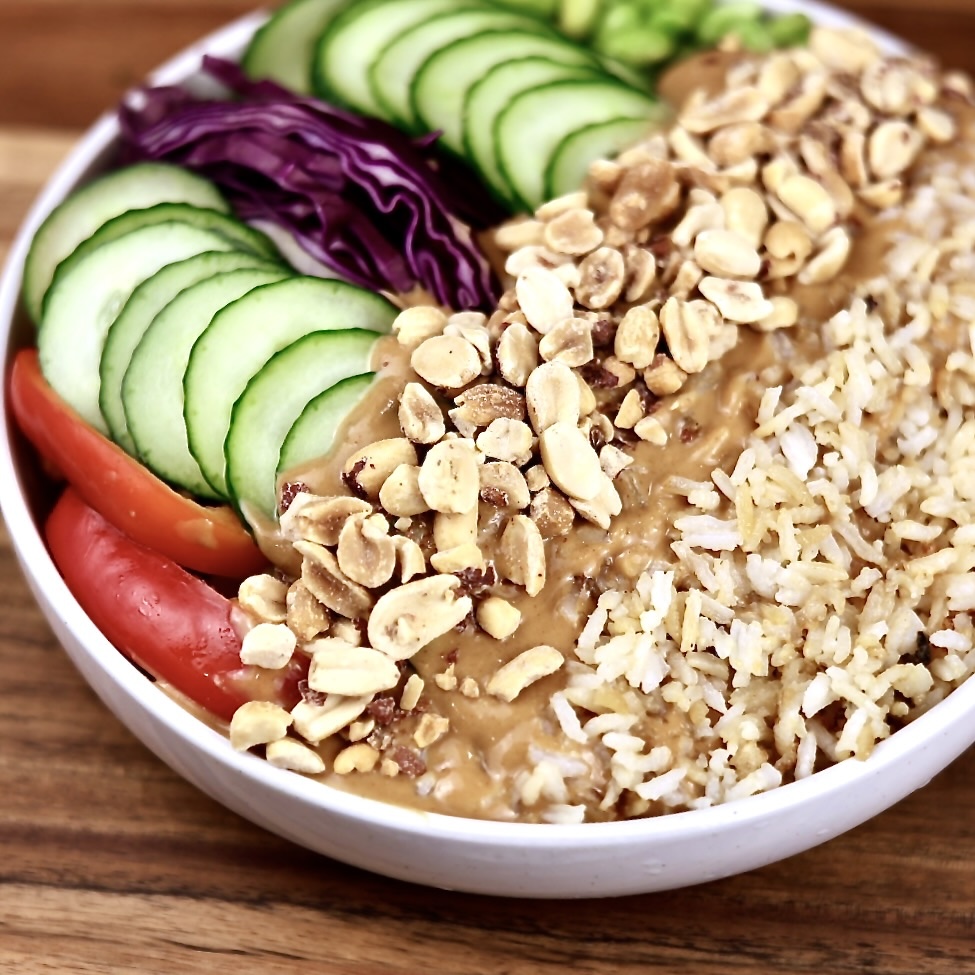
- Crispy Rice Bowl with Peanut Sauce
- Blackstone Chicken Fried Rice
Frequently Asked Questions About Cooking Rice
Should rice be rinsed before cooking?
Rinsing removes loose surface starch and can help long-grain rice cook into cleaner, more separate grains. Place the rice in a fine-mesh strainer or bowl and rinse it under cool water until the water becomes noticeably clearer. Some enriched white rice packages advise against rinsing because washing may remove nutrients added to the surface, so check the package directions. Risotto rice is generally not rinsed because its available starch helps create the creamy sauce.
What is the basic ratio of liquid to rice?
The traditional rule of thumb is two parts liquid to one part dry rice by volume, but it is not correct for every rice. Long-grain white rice may use between 1 1/2 and 2 cups liquid per cup of rice, while brown and wild rice generally require more liquid and more time. Use the package instructions as the starting point, then make notes if your usual pan and stove produce better results with a small adjustment.
Should rice be added to cold or boiling water?
Both methods can work. For long-grain white rice, I prefer to bring the liquid to a boil before adding the rice. In my experience, the moving hot liquid distributes the grains and makes them less likely to settle into clumps. Rice cookers and many short-grain methods begin with cold water because their cooking cycles are designed for it. Choose the method that suits the rice and repeat it consistently.
Should rice be stirred while it cooks?
For fluffy long-grain rice, stir once after adding it to the liquid and then leave it alone. Repeated stirring encourages starch release and can create softer, stickier rice. Risotto is an intentional exception: it is stirred to develop the creamy texture the recipe requires.
Why should rice rest after cooking?
A five- to ten-minute covered rest allows the remaining moisture and steam to distribute through the pot. This helps firm the surface of the grains and evens out their texture. Fluff the rested rice gently with a fork to release excess steam and separate the grains.
Does toasting rice change how it cooks?
Toasting dry rice in butter, drippings or oil before adding liquid develops a lightly roasted, nutty flavor and can encourage firmer, more distinct grains. It does not seal the rice or prevent water absorption. Toast rice for several minutes, stirring frequently, and add the measured cooking liquid once the grains smell nutty and look pearly or faintly golden.
Can rice and quinoa be cooked in the same pot?
Yes, when the particular rice and quinoa have compatible cooking times and the recipe supplies enough liquid for both. Brown rice and quinoa make a hearty, flavorful blend, but do not simply combine the separate package ratios. Use a tested recipe, such as our Brown Rice and Quinoa Blend, because the grains share the same liquid and cooking environment.
Can rice and couscous be cooked together?
Regular couscous cooks much faster than rice and should not ordinarily be added at the beginning. Cook it separately and combine it with cooked rice, or add it near the end with the amount of liquid it requires. Pearl couscous is sturdier but still has a different cooking time. It can be toasted separately and folded into rice for a pilaf-style base.
How long can cooked rice be kept in the refrigerator?
Refrigerate cooked rice in shallow containers within two hours of cooking and use it within three to four days. Freeze it if it will not be eaten within that period. Do not leave a large pot of rice at room temperature to cool for an extended time.
What is the best rice for fried rice?
Cooked long-grain rice that has been promptly refrigerated works particularly well because its grains become firmer and drier as they chill. That helps them remain separate when reheated in a hot skillet. Fried rice is an excellent planned use for extra rice, but the cooked rice still needs to be cooled and stored safely.
How many kinds of rice should a practical pantry contain?
Most households can do very well with long-grain white rice, one brown rice and one optional specialty rice suited to the meals they actually cook. Quinoa, lentils, couscous or orzo can expand those choices without requiring a cupboard full of rice varieties