Sourdough baking uses a variety of techniques to develop dough with different handling characteristics, flavors, and crumb structures. This post compares autolyse, fermentolyse, and saltolyse—three dough resting techniques that influence dough development in different ways.
Many sourdough recipes include one of these methods before or during the initial mix. Some call for an autolyse, while others use a fermentolyse or saltolyse depending on the baker’s goals and the type of bread being made.
Although all three methods help develop the dough, they do so differently. Each influences hydration, gluten development, extensibility, fermentation, and ultimately the character of the finished loaf. Understanding what each method changes helps you choose the approach that best fits the bread you want to bake.
Keep in mind that although these techniques are often discussed as mixing methods because they occur before or during the initial mix, they are more accurately described as dough resting techniques. The resting period—not the mixing itself—is what makes each method unique.
In this guide, we’ll compare autolyse, fermentolyse, and saltolyse, explain how each affects dough development, and help you decide which method best fits your baking goals.
Understanding these mixing methods gives you greater control over the sourdough process and allows you to create the breads you want to bake and eat. Whether your goal is a stronger dough, improved handling, or a more open crumb, choosing the right method can influence the outcome.
These methods affect:
- How ingredients hydrate
- When fermentation begins
- How gluten develops
- Dough strength
- Extensibility
For a broader overview of dough development techniques, see our Sourdough Mixing Methods guide.
In this article, we’ll focus on these three specific methods and what they can do for you as a baker to get your best bake. To begin, let’s look at why these three mixing, or dough resting, methods came into being.
Autolyse
Autolyse was developed in the 1970s by French professor and bread scientist Raymond Calvel. Calvel created the technique to improve dough quality while reducing mixing time and oxidation, which can diminish wheat flavor and color.
By allowing flour and water to rest before adding salt and yeast, bakers can improve hydration, extensibility, and gluten development with less mechanical mixing. Today, autolyse is one of the most widely used dough preparation methods in artisan bread baking.
Fermentolyse
Fermentolyse is a more modern adaptation of autolyse that became popular among artisan and home sourdough bakers. Rather than withholding the starter, bakers mix flour, water, and sourdough starter together and delay adding the salt.
The method simplifies the workflow while still providing many of the hydration benefits associated with autolyse. Fermentolyse is now common in home sourdough baking because it reduces steps and fits well with long fermentation schedules. Most of our Homemade Food Junkie Sourdough Bread Recipes use fermentolyse as the mixing method.
Saltolyse
Saltolyse is a variation in which flour, water, and salt are mixed together before fermentation begins. The technique gained popularity among bakers working with high-hydration and whole-grain doughs, where early dough strength and improved handling are often desirable.
Because salt slows enzyme activity and tightens gluten structure, saltolyse can produce a stronger, less sticky dough from the start. While less common than autolyse, it has become increasingly popular among experienced sourdough bakers seeking greater dough control.
What’s The Difference? Autolyse vs Fermentolyse vs Saltolyse
Here’s a quick chart to help you see the differences between these three mixing methods.
| Method | Ingredients Mixed Initially | Fermentation Starts? | Primary Benefit |
|---|---|---|---|
| Autolyse | Flour + Water | No | Extensibility and hydration |
| Fermentolyse | Flour + Water + Starter | Yes | Simplicity and fermentation efficiency |
| Saltolyse | Flour + Water + Salt | No | Dough strength and fermentation control |
As the chart shows, each mixing method serves a different purpose in sourdough baking. Understanding how and when to use these techniques helps you develop stronger dough, improve handling, and achieve the crumb structure you’re aiming for.
Sourdough baking is full of variables, and every decision influences the final loaf. Your choice of mixing method is one of the earliest—and most important—decisions you’ll make.
Whether your goal is a strong sandwich loaf, an open artisan crumb, or easier dough handling, understanding these methods will help you build the dough structure you need for success.
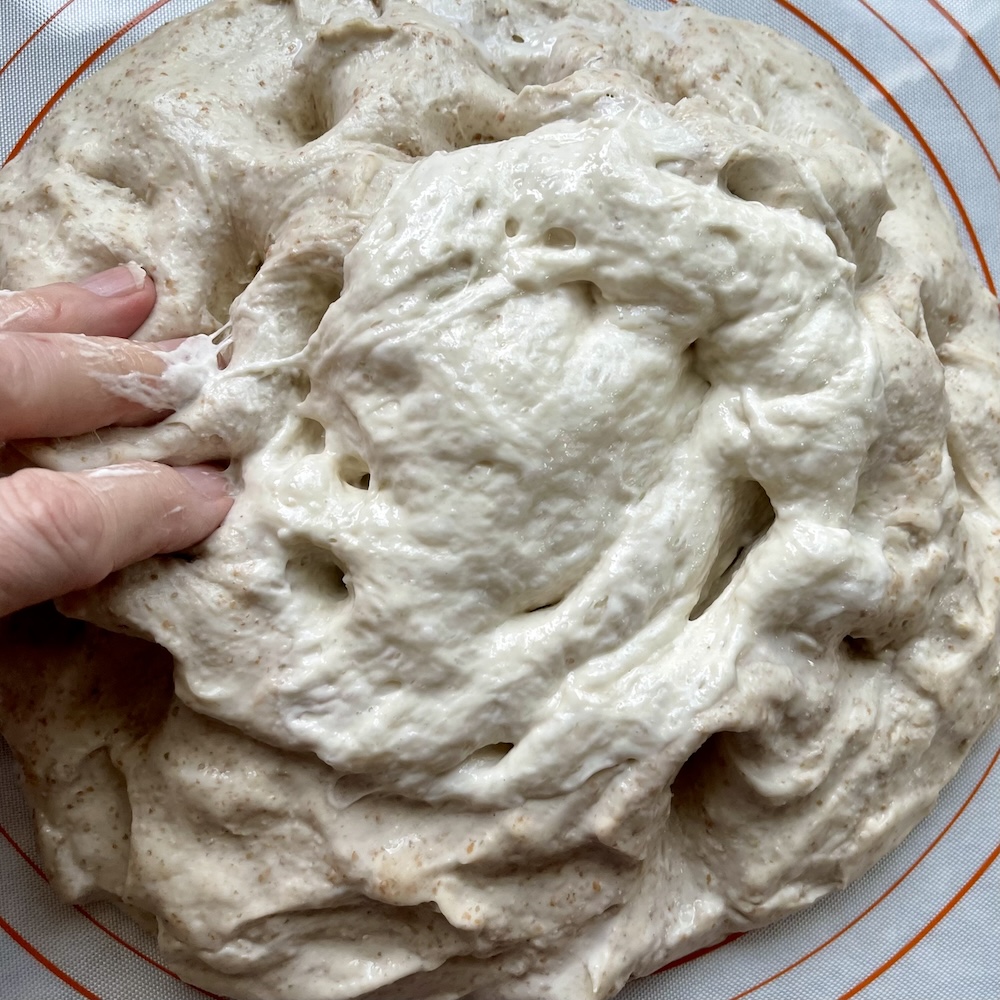
What Is An Autolyse?
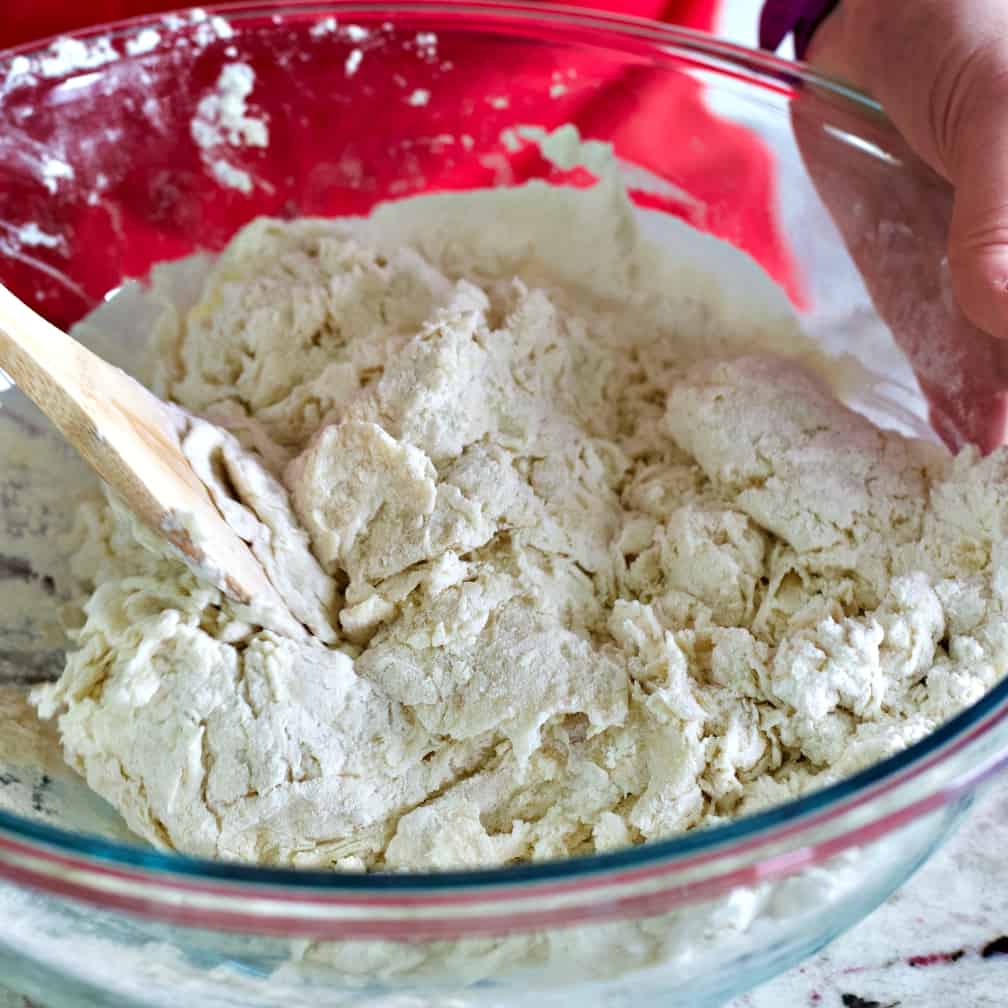
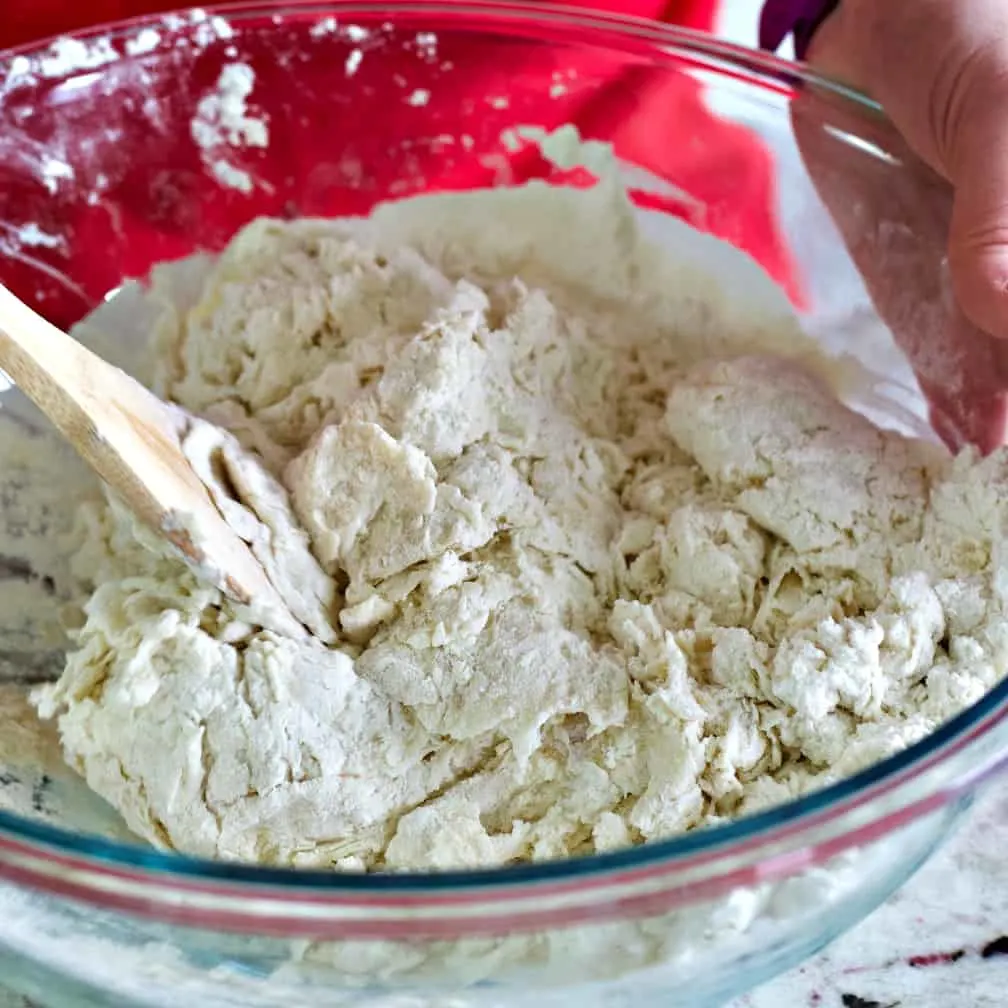
Autolyse begins with blending the flour and water together until it create a rough dough. Add water in small amounts if necessary. Once mixed, allow the dough to set. This hydrates the flour without fermentation. Starter and salt are dimpled in after autolyse completes to for gluten formation and fermentation.
How It Works
Flour and water only.
Why Bakers Use It
- hydrate flour
- improve extensibility
- easier mixing
- improved gluten formation
Best Uses
- white flour breads
- high hydration doughs
- open crumb styles
Potential Drawbacks
- extra step
- very long autolyses can weaken dough
What Is A Fermentolyse?
Fementolyse allows hydration and fermentation to occur at the same time. Fermentation begins immediately since starter is added in with the flour and water.
Salt is withheld during fermentolyse, which typically lasts 20 to 60 minutes. During that time, the flour absorbs water, gluten begins developing naturally, and fermentation gets underway before the dough is fully mixed.
Salt is added later because it strengthens gluten structure and helps regulate fermentation. By delaying the salt, bakers allow hydration and early fermentation to progress more freely before the dough gains the tightening and controlling effects that salt provides. (For a deeper look at how salt affects dough development and fermentation, see our guide to Salt in Sourdough Bread.)
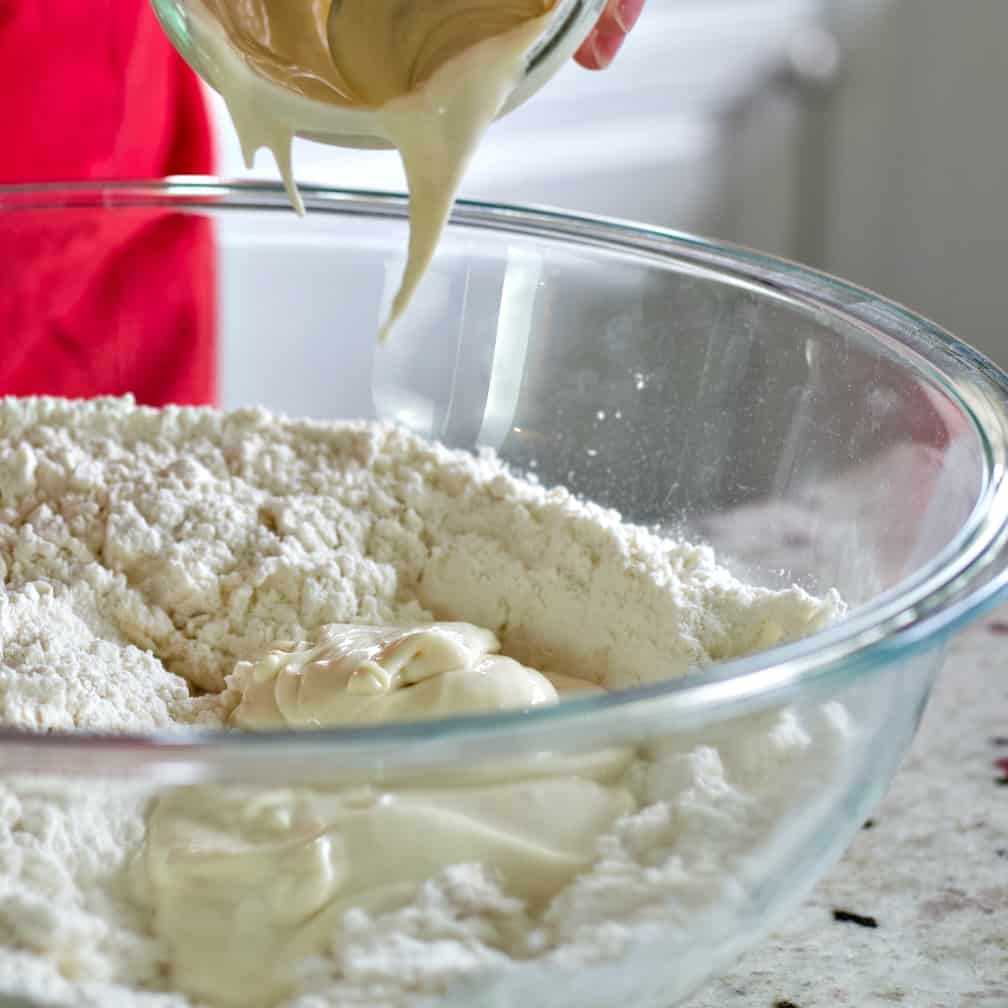
How It Works
Flour, water, and starter mixed together.
Salt added later, after a rest period of 30 to 60 minutes.
Why Bakers Use It
- fewer steps
- fermentation begins immediately
- popular among home bakers
Best Uses
- everyday sourdough loaves
- long cold bulk schedules work well with fermentolyse
- simplified workflows with fewer steps.
Potential Drawbacks
- less extensibility than traditional autolyse
- less time for enzymes to work before fermentation begins
What Is A Saltolyse?
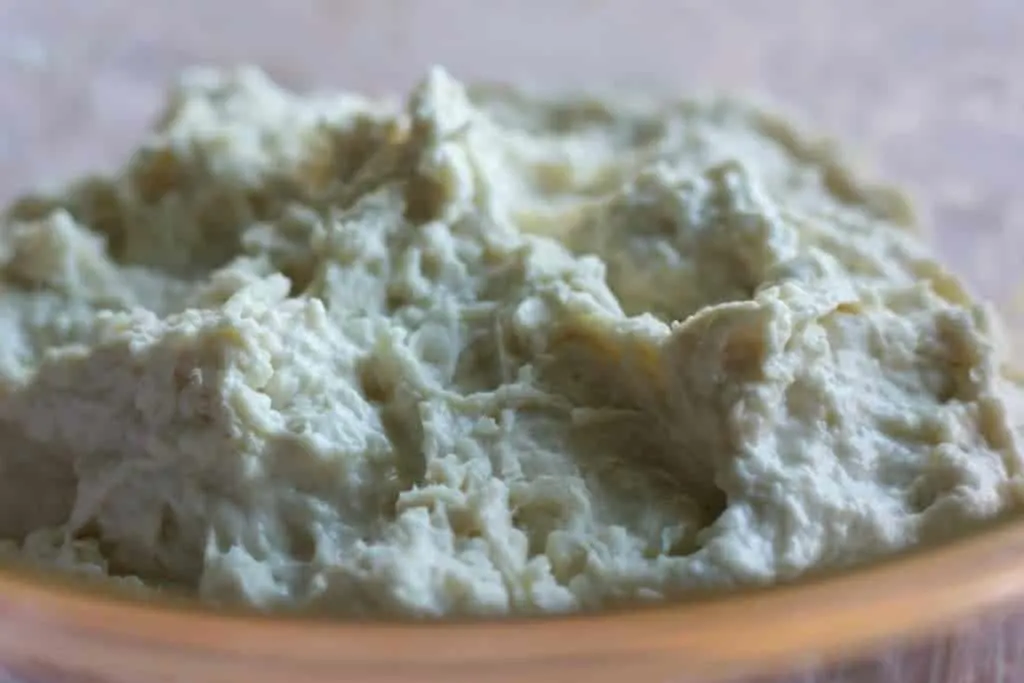
Saltolyse is a variation of autolyse in which the flour, water, and salt are mixed together before the resting period, while the sourdough starter is withheld until later. Unlike autolyse, which emphasizes extensibility and hydration, saltolyse prioritizes dough strength and control from the beginning of the mixing process.
By adding salt immediately, the dough develops a tighter gluten structure and experiences slower enzymatic and fermentation activity during the rest period. This can make sticky or high-hydration doughs easier to handle while helping bakers maintain stronger dough structure throughout fermentation. Saltolyse is particularly useful when working with whole grain flours, warm kitchen temperatures, or doughs that tend to become overly slack during bulk fermentation.
While less common than autolyse, saltolyse has gained popularity among artisan bakers seeking additional dough strength and control, particularly when working with higher hydration doughs and whole grain flour blends.
Trevor Wilson’s Champlain Bread Recipe introduced me to the saltolyse mixing method. It really helped me see how the salt works in building dough structure when mixed in like this.
How It Works
Flour, water, and salt mixed together.
Starter withheld.
Why Bakers Use It
- slows enzymatic activity
- strengthens dough early
- improves handling of weaker doughs
Best Uses
- whole grain doughs
- warm kitchens
- sticky doughs
- high hydration formulas needing control
Potential Drawbacks
- may reduce extensibility slightly
- not ideal for every open-crumb goal
Saltolyse can be particularly useful when baking with whole grain flours that tend to weaken dough structure or create sticky dough. Grains such as rye and spelt, (used together in the Champlain bread), absorb water differently than bread flour and can produce dough that becomes slack during fermentation.
By incorporating the salt from the beginning, bakers often find these doughs easier to handle while maintaining better structure throughout bulk fermentation.
Saltolyse is not limited to whole grain breads, however. It can also be useful in high-hydration doughs or any formula where additional dough strength and control are desired.
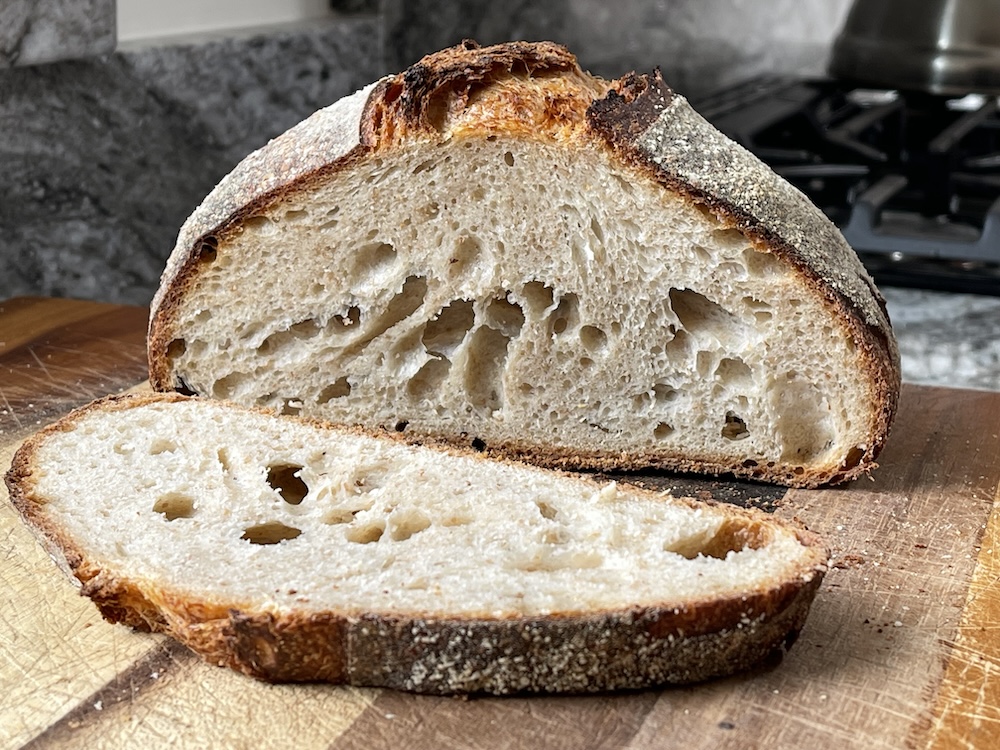
Which Mixing Method Should You Choose?
Here is a Decision Guide to help you decide which mixing method addresses your needs best:
Choose Autolyse If:
- you want extensibility
- you enjoy higher hydration doughs
- you are pursuing a more open crumb
Choose Fermentolyse If:
- you want a simple workflow
- you bake frequently
- you prefer fewer mixing steps
Choose Saltolyse If:
- dough strength is your goal
- you use whole grains
- your dough becomes sticky or difficult to handle
While less common than autolyse, saltolyse has gained popularity among artisan bakers seeking additional dough strength and control, particularly when working with higher hydration doughs and whole grain flour blends.
How Each Method Affects Dough Structure
As discussed in our Dough Structure guide, successful sourdough depends on balancing dough strength and extensibility. Strength allows the dough to hold shape and trap gas during fermentation, while extensibility allows it to stretch and expand without tearing. When compared, Autolyse vs fermentolyse vs saltolyse, we see all influence this balance differently.
Extensibility
Extensibility refers to the dough’s ability to stretch without tearing.
Autolyse produces the greatest extensibility. The flour has time to fully hydrate before salt or starter are added, allowing gluten to begin forming naturally. Dough made with an autolyse often feels supple, stretchy, and easy to shape.
Fermentolyse produces moderate extensibility. Because fermentation begins immediately, the dough still gains many of the hydration benefits of autolyse but may feel slightly less relaxed.
Saltolyse produces the least extensibility. The early addition of salt tightens the gluten network and creates a stronger, more controlled dough that stretches less freely.
Dough Strength
Strength is the dough’s ability to hold its shape and support gas retention throughout fermentation.
Saltolyse generally creates the strongest dough structure. The salt reinforces gluten development from the beginning and helps prevent the dough from becoming overly slack during bulk fermentation.
Fermentolyse falls in the middle. The dough develops strength through both hydration and fermentation, producing a balance between strength and flexibility.
Autolyse produces the least initial strength. While strength develops later through folding and fermentation, the dough often feels softer and more extensible during early handling.
Fermentation Timing
These methods also influence when fermentation begins.
Fermentolyse begins fermentation immediately because the starter is present during the rest period. This can slightly shorten the overall process and is one reason many home bakers prefer it.
Autolyse and saltolyse delay fermentation because the starter is withheld until after the rest period. The delay is usually short, but it gives hydration and gluten development a head start before fermentation begins.
Dough Handling
The differences become most noticeable when the dough is handled during folds, shaping, and bulk fermentation.
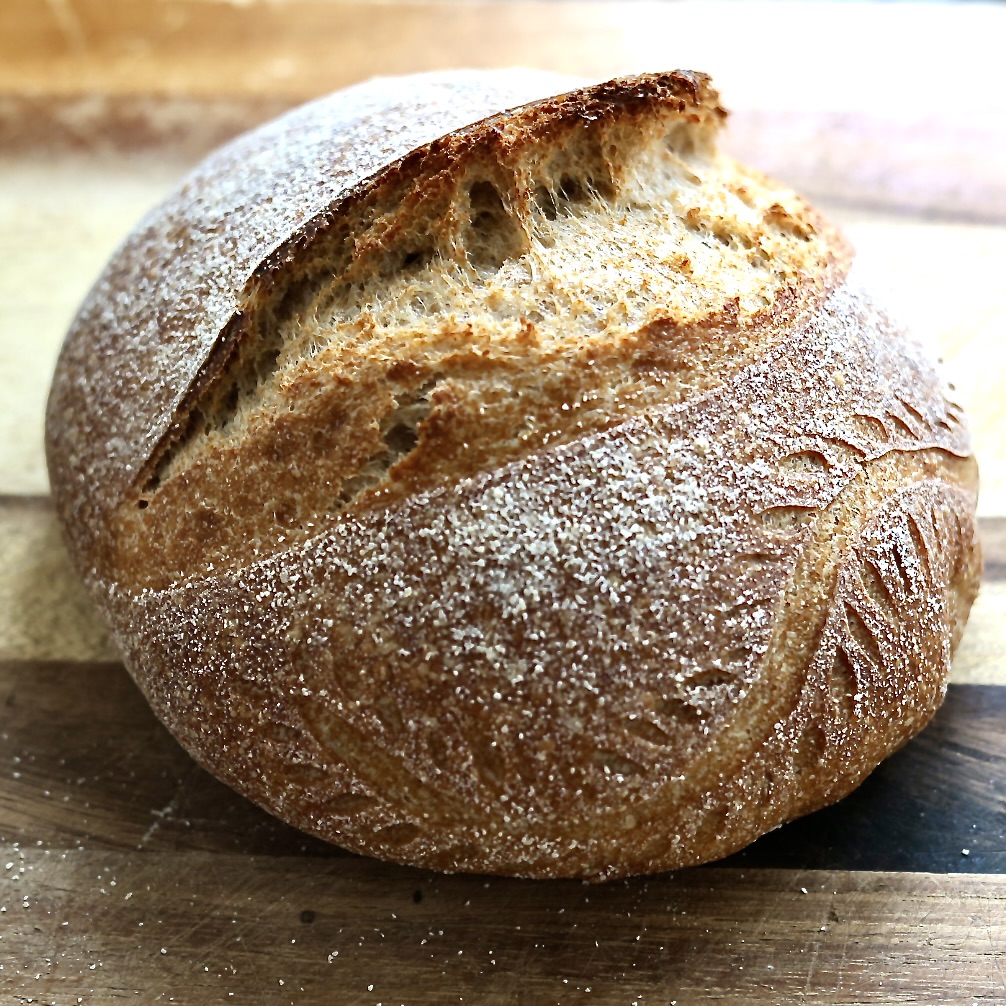
An autolysed dough often feels soft, stretchy, and highly extensible. This can be advantageous when pursuing a more open crumb, but it may require additional folds to build strength.
A fermentolysed dough typically strikes a balance between strength and flexibility. Many bakers find it easy to handle because it develops well without adding extra steps to the workflow.
A saltolysed dough usually feels firmer and more controlled throughout fermentation. In my own baking, I’ve found this particularly helpful when working with rye and spelt blends, which can sometimes become sticky or loosely structured during bulk fermentation.
When using the saltolyse method, the dough often feels stronger during folds and easier to shape into a tight loaf.
Which Method Do I Use Most?
The mixing method I use most often is fermentolyse. Over years of sourdough baking, I’ve found it to be simple, reliable, and flexible enough for the majority of breads I bake. It combines hydration and fermentation into a single step, reducing complexity without sacrificing dough development.
Most of the artisan sourdough recipes on Homemade Food Junkie that are based on our Beginner Sourdough Artisan Recipe, use the fermentolyse method. I appreciate the streamlined workflow, and I find it produces consistently strong dough with fewer steps and less opportunity for confusion. For home bakers looking for a dependable process that fits easily into everyday baking, fermentolyse is often an excellent choice.
While fermentolyse remains my default approach, I’ve increasingly experimented with autolyse and saltolyse when working with specific goals such as improving dough extensibility or strengthening doughs that contain rye and spelt. Each method has advantages, but fermentolyse continues to be my go-to choice for everyday sourdough baking.
Throughout my sourdough journey, I’ve learned that autolyse, fermentolyse, and saltolyse are not competing methods. They are tools that help bakers solve different problems. Understanding how each method affects hydration, gluten development, fermentation, and dough handling allows you to choose the approach that best fits your flour, recipe, and baking goals. The more comfortable you become using these techniques, the easier it is to adapt recipes and create the style of bread you enjoy most.
Final Thoughts
Autolyse, fermentolyse, and saltolyse each influence dough development in different ways. Autolyse promotes extensibility, fermentolyse simplifies the workflow while encouraging strong fermentation, and saltolyse provides additional dough strength and control. None of these methods is universally better than the others. The best choice depends on the flour you’re using, the type of bread you’re making, and the results you’re trying to achieve.
By understanding when and why to use each method, you’ll gain greater control over your dough and more confidence in your sourdough baking.
Frequently Asked Questions
Is fermentolyse better than autolyse?
Neither method is inherently better. Fermentolyse combines hydration and fermentation into a single step by adding the sourdough starter at the beginning, making it a simpler workflow for many home bakers. Autolyse delays fermentation by mixing only flour and water, which can improve extensibility and hydration. The best choice depends on your baking goals, schedule, and dough characteristics.
Does salt prevent gluten development?
No. Salt does not prevent gluten development. In fact, salt strengthens the gluten network and improves dough structure. However, it slows enzyme activity and fermentation, which is why some bakers delay adding it during an autolyse or fermentolyse. Salt helps dough hold its shape and improves gas retention throughout fermentation.
Can I autolyse overnight?
Yes, but caution is needed. A short autolyse of 20 to 60 minutes works well for most sourdough recipes. Longer autolyses may benefit some doughs, especially whole grain breads, but can eventually weaken gluten structure if left too long. If attempting an overnight autolyse, refrigeration is often recommended to slow enzymatic activity and prevent dough degradation.
Do professional bakers use saltolyse?
Yes. Many artisan bakers use saltolyse when they want greater dough strength and control. Saltolyse can be particularly helpful in high-hydration doughs, whole grain formulas, and warm environments where dough may become overly slack during fermentation. While autolyse remains more widely known, saltolyse is gaining popularity among experienced bakers.
Which method is best for whole wheat sourdough?
There is no single best method for every whole wheat sourdough recipe. Autolyse can improve hydration and extensibility in whole wheat doughs, while saltolyse may provide additional strength and handling benefits. Many bakers find saltolyse especially useful when working with whole grain blends that contain rye or spelt, which can produce softer, stickier dough.
Which method is best for open crumb bread?
Autolyse is often preferred for open crumb sourdough because it promotes dough extensibility and allows the dough to expand more easily during fermentation and baking. However, crumb structure is influenced by many factors including hydration, flour type, fermentation, shaping, and dough handling. An autolyse can support an open crumb, but it is only one part of the process.
Why do bakers add salt after autolyse?
Bakers often add salt after an autolyse because salt strengthens gluten and slows enzymatic activity. By delaying the salt, flour can fully hydrate and gluten can begin developing naturally before the dough gains the tightening effects of salt. This often results in a more extensible dough that is easier to stretch and shape
Where to Go Next:
I’ve written a series of guides to help the sourdough baker. Visit our sourdough hub for a complete list of our guides. We also have a Sourdough Troubleshooting Guide to get you started.
Read More About Sourdough Dough Building:
- Dough Structure
- Mixing Methods
- Hydration Guide
- Sourdough Flour Types
- Crumb Structure Control
- Read Crumb Structure
- Stretch and Fold vs Coil Fold (future)
- Bassinage and Double Hydration (future)
- Beginner Artisan Sourdough (Recipe using Fermentolyse)
- How to Get Crispy Sourdough Crust (Fix Soft, Hard, Thick, and Chewy Problems)
- How to Shape Sourdough Bread (Build Tension for Better Oven Spring and Crumb)