How to Cook With Potatoes for Easy Weeknight Dinners
As an Amazon Associate and member of other affiliate programs we earn a small commission from qualifying purchases through our affiliate link. For more information read our Entire Affiliate Disclosure.
Learn how to cook with potatoes. Potatoes are one of the backbone staples for easy weeknight dinners, much like pasta and rice. They are inexpensive, filling, easy to store, and can keep quite a while when stored properly.
But potatoes offer even more versatility when you’re building a dinner from what you have. They can be a simple starch alongside meat and vegetables, or take on a much larger role in the meal. Potatoes can become the base of a casserole or skillet dinner, add substance to soups and stews, stretch a small amount of meat into another meal, or become the centerpiece of dinner themselves.
That versatility makes potatoes especially useful for weeknight cooking. Once you understand which potatoes work best for different purposes and learn a few basic ways to prepare them, a bag of potatoes gives you a surprising number of options for getting dinner on the table.
A potato can sit beside a piece of chicken as a simple side dish, but that is only the beginning. Potatoes can thicken and add substance to soups and stews, form the topping of a shepherd’s pie, crisp up in a hash, anchor a casserole, or stretch a small amount of meat and vegetables into a filling meal. A large baked potato can even become dinner itself when you split it open and fill it with chili, leftover meat, vegetables, cheese, or whatever else needs using in the refrigerator.
This is why I consider potatoes an important part of a practical kitchen pantry.
But potatoes aren’t interchangeable in every recipe. A fluffy russet behaves quite differently from a firm red potato. Once you understand those differences—and a handful of basic cooking methods—it becomes much easier to look at the potatoes you have and decide what you can make with them.
Potatoes Are More Than a Side Dish
Many of us learned to think about dinner as meat, vegetable and starch. In that model, potatoes are usually the starch: mashed potatoes with roast beef, a baked potato with steak, or roasted potatoes beside chicken.
That’s still a perfectly good way to use them. But when you’re cooking with what you have, potatoes become much more interesting.
Suppose you have only a small amount of cooked beef left from yesterday. It may not be enough to serve everyone again as the main course. Add potatoes, vegetables and gravy and suddenly you have the makings of shepherd’s pie. Dice potatoes into a skillet with the meat, onions and whatever vegetables need using, and you’ve taken the same leftovers in another direction.
A few strips of bacon or some sausage can flavor an entire potato skillet. Leftover chicken can become a potato casserole or soup. Chili can go over baked potatoes. Even vegetables, cheese and a little sour cream can turn a large baked potato into a satisfying simple meal.
This is one of the principles behind meal architecture: the most expensive or limited ingredient doesn’t always have to fill the plate. A useful pantry staple can give that ingredient somewhere to go.
Which Potatoes Should You Keep On Hand?
For most home cooks, understanding three general types is enough to decide the best one for your need: Think of potatoes as starchy, waxy and all-purpose potatoes. The difference largely comes down to their starch and moisture content, which affects what happens when you cook them.
Russet potatoes are high in starch and relatively low in moisture. When cooked, their interiors become dry and fluffy. That’s why they work particularly well for baked potatoes, mashed potatoes and French fries.
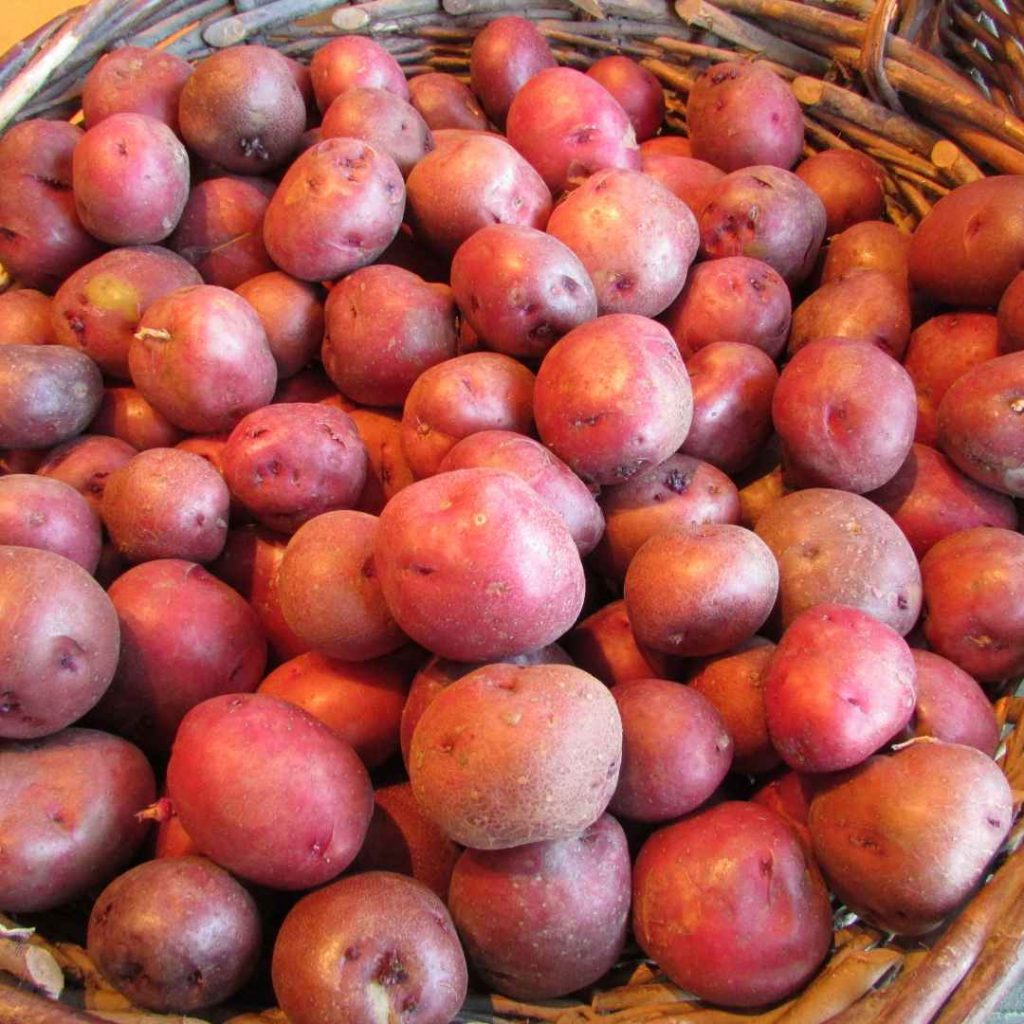
Red and other waxier potatoes contain more moisture and hold themselves together better during cooking. That makes them useful when you want recognizable pieces of potato to remain in a soup, stew, casserole or potato salad rather than breaking apart.
Yellow potatoes, including Yukon Golds, fall into the wonderfully useful middle ground. They can be boiled, mashed, baked or roasted, making them a good general-purpose potato to keep around.
For a practical weeknight pantry, I would rather have one or two useful kinds of potatoes that I regularly cook with than several specialty varieties I forget to use.
It is most useful to understand how different potatoes behave when cooked and then keep the types that work best for you in the pantry for the meals your family enjoys.
Over the years, my own choice of everyday potato has changed. As a young cook, I almost always bought russets because that was what my mom used. Eventually, I found myself less satisfied with the russets available in our stores. They often required quite a bit of peeling and trimming, and I didn’t always enjoy the texture of the skins when I left them on.
So I switched to red potatoes, especially for soups and skillet dinners. Their thin skins required very little preparation, and I liked the way the potatoes held together during cooking. For quite a while, reds were the potatoes I used almost exclusively.
Then Yukon Gold and other yellow potatoes became readily available. My husband particularly likes their flavor, and they are versatile enough for most of the cooking I do, so Yukon Golds are currently our everyday potato.
That doesn’t mean I’ll always buy them. New potato varieties continue to show up in stores and garden catalogs, and I’m happy to try them. What we grow in the garden also depends partly on which potatoes we enjoy eating.
Your everyday potato may be different from mine. The important thing is to understand what the major types of potatoes do well so you can choose according to the way you cook.
| Potato type | Texture and cooking behavior | Best uses | Good to know |
|---|---|---|---|
| Russet | High starch; cooks fluffy and fairly dry inside | Baked potatoes, mashed potatoes, fries, wedges, soups where you want some breakdown | Excellent for absorbing butter, gravy and toppings. Thick skin crisps well when baked. |
| Yukon Gold / Yellow | Creamy, moderately starchy; holds together while remaining tender | Mashed, roasted, boiled, casseroles, soups, skillets, sheet-pan dinners | An excellent all-purpose potato when you want to keep just one type on hand. Naturally rich, buttery flavor. |
| Red | Waxy, moist and firm; holds its shape well | Soups, stews, skillet dinners, roasting, boiling, potato salad | Thin skins are usually pleasant left on, reducing prep work. |
| White | Moderately starchy with a fairly creamy texture | Boiling, mashing, roasting, soups, casseroles | Another versatile everyday potato; generally holds its shape better than a russet. |
| Fingerling | Firm, waxy and creamy | Roasting, pan-frying, sheet-pan dinners, warm potato salads | Small size and interesting shapes make them especially good when potatoes will remain whole or halved. |
| Baby / New potatoes | Moist, firm and waxy | Boiling, steaming, roasting, soups and skillet meals | “New” refers to potatoes harvested young rather than one particular variety. Their tender skins generally don’t need peeling. |
| Purple / Blue | Varies by variety, but often moist and fairly firm | Roasting, boiling, salads, sheet-pan dinners | Useful when you want color and visual interest. Check the particular variety because cooking characteristics vary. |
Don’t Overlook Colorful Potatoes
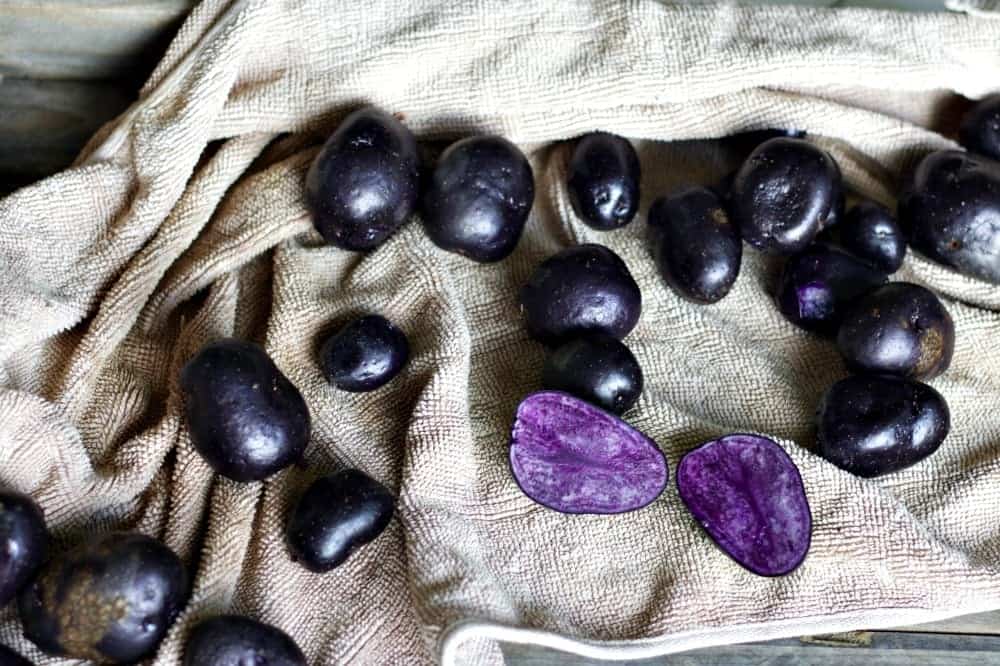
We have grown many different potato varieties in our garden over the years, including red, fingerling and purple potatoes. Potatoes are actually quite easy to grow, even when garden space is limited. We have grown them successfully in both DIY potato towers and potato barrels.
Purple potatoes are particularly delicious, although they can be harder to find in an ordinary grocery store. We have grown Purple Majesty potatoes and enjoyed their buttery flavor as well as the beautiful color they add to a meal.
There is some nutritional benefit to all that color, too. Red, purple and blue potatoes contain natural plant pigments called anthocyanins. Anthocyanins are a type of flavonoid responsible for many of the red, blue and purple colors found in plant foods. These compounds have biological activity in the body and are being studied for their potential health benefits.
The color of the flesh matters as well as the skin, so “the darker the skin, the more nutritious the potato” isn’t a reliable rule by itself. Deeply colored flesh is a better clue that the potato contains these pigments.
If you find colorful potatoes at a farmers market or grocery store—or decide to grow them yourself—they are worth trying. They bring different flavors, textures, nutrients and beautiful color to otherwise ordinary potato dishes.
Choose a Potato Cooking Method to Fit the Meal
Once you have potatoes in the kitchen, the next question is what you want them to do for dinner. The same bag of potatoes can become a quick skillet meal, a creamy mash, crispy roasted potatoes, a hearty soup or the foundation for an entirely different meal.
The cooking method you choose affects the potato’s texture, flavor and how easily you can combine it with other ingredients.
The important question isn’t necessarily “What potato recipe should I make?” Start by asking “What do I need these potatoes to do for this meal?” Once you can answer that, choosing the variety and cooking method becomes much easier. Or you can assess the potato variety you have on hand and work from there.
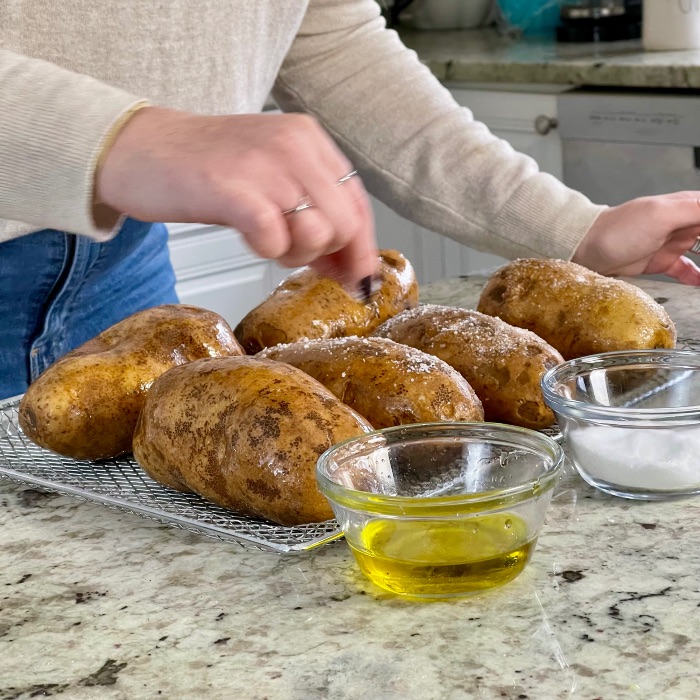
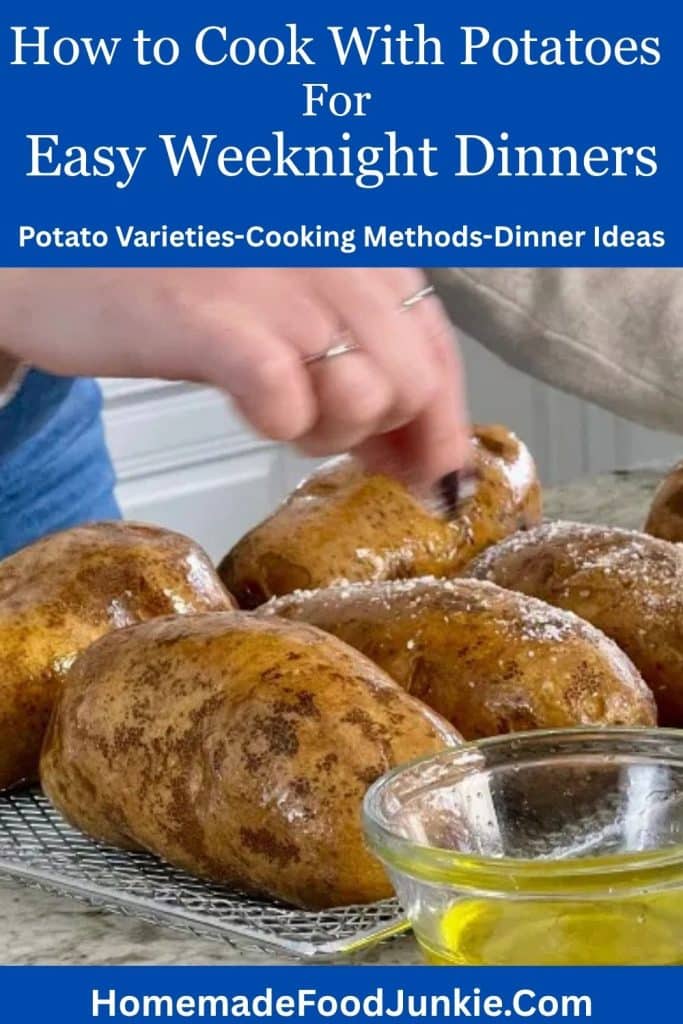
Bake Potatoes for a Side Dish or Make Them the Meal
A traditional oven-baked potato takes some time, but very little hands-on work. Russets are particularly good for baking because their high starch content gives them a fluffy interior while their thicker skins can become crisp.
A baked potato can be a simple side for steak, chicken, pork or fish. But don’t overlook it as a way to build an inexpensive dinner.
Split open large baked potatoes and add chili, taco meat, leftover pulled pork or chicken, steamed vegetables, cheese, sour cream, green onions or other toppings you have available. This is an easy way to stretch a relatively small amount of meat across several servings.
Baked potatoes are also useful when everyone wants something slightly different. Set out several toppings and let each person build their own dinner.
Weeknight shortcut: Potatoes can be cooked quickly in the microwave when there isn’t time for a long oven bake. If you prefer a crisp skin, finish the cooked potato briefly in a hot oven or air fryer.
Boil Potatoes When You Want Them Tender
Boiling is one of the simplest ways to prepare potatoes and a starting point for many other dishes.
Boiled potatoes can be served simply with butter and seasonings, mashed, added to other ingredients or cooled for later use. Waxy red potatoes and yellow potatoes are particularly useful when you want the pieces to remain intact.
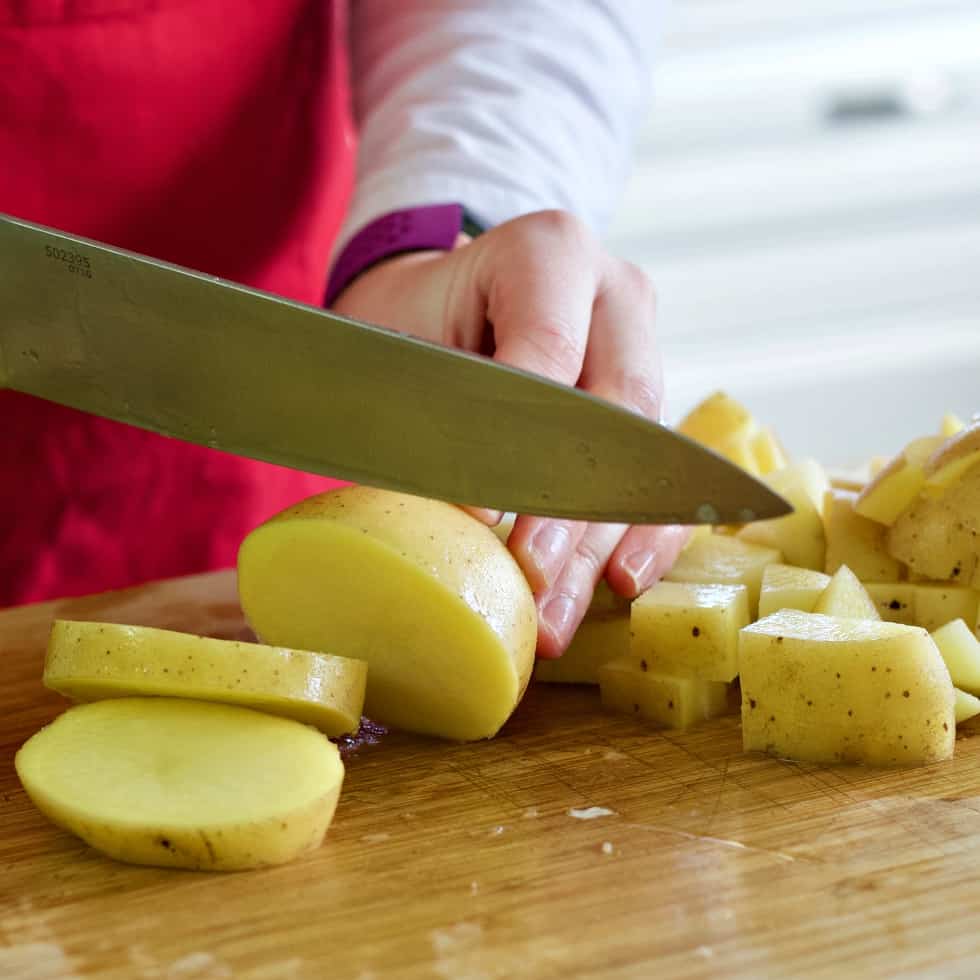
Pay attention to the size of your potato pieces. Cutting them into similar-sized pieces helps them finish cooking at about the same time. Smaller pieces cook faster, which can be useful on a busy night.
Avoid cooking them longer than necessary. Potatoes that become waterlogged or begin falling apart may be fine if you’re making mashed potatoes, but aren’t as useful when you need firm pieces for another dish.
Mash Potatoes for Comfort Food and Hearty Meals
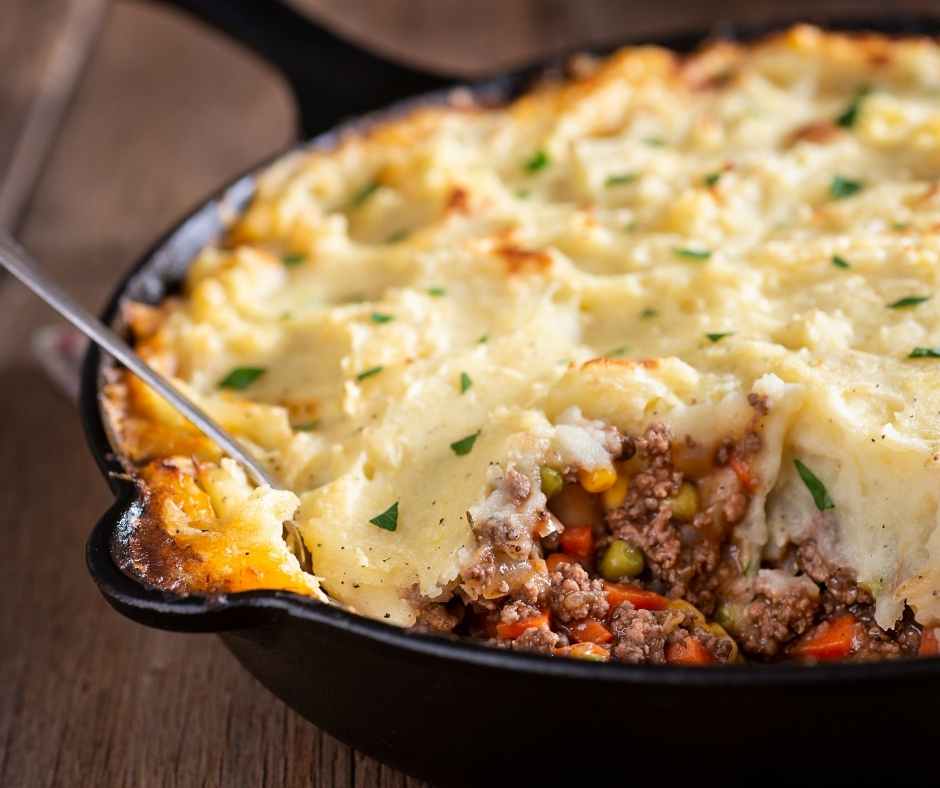
Mashed potatoes are an obvious partner for roasts, meatloaf, chicken, gravy and many other traditional dinners, but they can do more than fill the side of the plate.
They also make an excellent base or topping for meals built around smaller amounts of meat and vegetables. Shepherd’s pie is a classic example: meat, vegetables and gravy become a substantial family meal under a layer of mashed potatoes.
Russets make light, fluffy mashed potatoes, while Yukon Golds produce a naturally creamy, slightly denser mash. You can also combine potato varieties.
And make extra. Leftover mashed potatoes are useful ingredients in their own right and can become potato cakes, toppings for another meal or additions to breads and other recipes.
Roast Potatoes When You Want Crisp Edges and Concentrated Flavor
Roasting removes moisture from the surface of a potato while encouraging browning, giving you crisp edges and a soft interior. It also gives you an opportunity to cook much of dinner on one pan.
Potatoes can roast alongside chicken pieces, sausage and many vegetables. Add oil and seasonings, give the ingredients enough room to brown rather than steam, and you have the foundation for a simple sheet-pan dinner.
Russets can become particularly crisp, while yellow potatoes offer a creamy center and beautifully browned exterior. Small red and fingerling potatoes are also excellent roasted whole or halved.
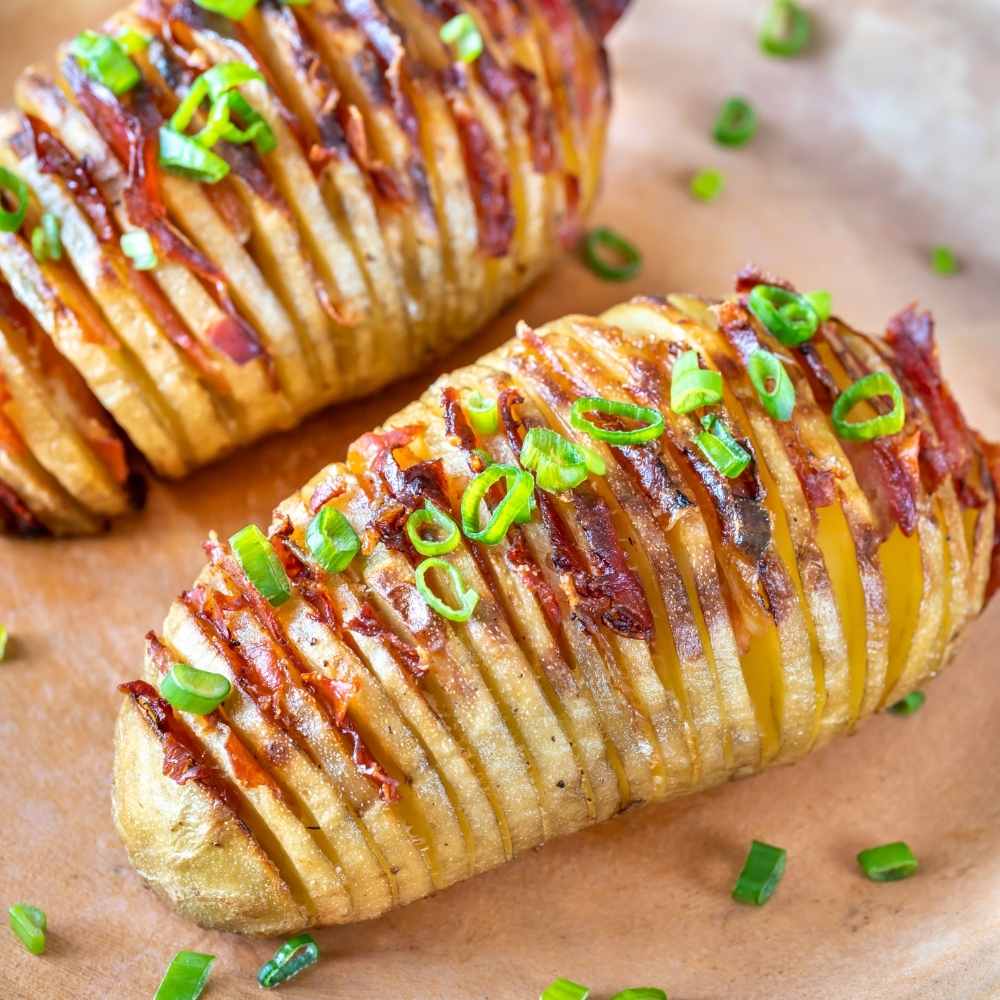
For something a little different, Hasselback potatoes use a series of thin cuts that allow the potato to fan open as it bakes. The exposed edges become browned and crisp while the inside remains tender, making them an attractive alternative to an ordinary baked or roasted potato.
This is another place where pantry seasonings can completely change the direction of dinner. Garlic and herbs, Cajun seasoning, taco seasonings, smoked paprika or other spice blends can take the same potatoes into very different meals.
Cook Potatoes in a Skillet for Fast, Flexible Dinners
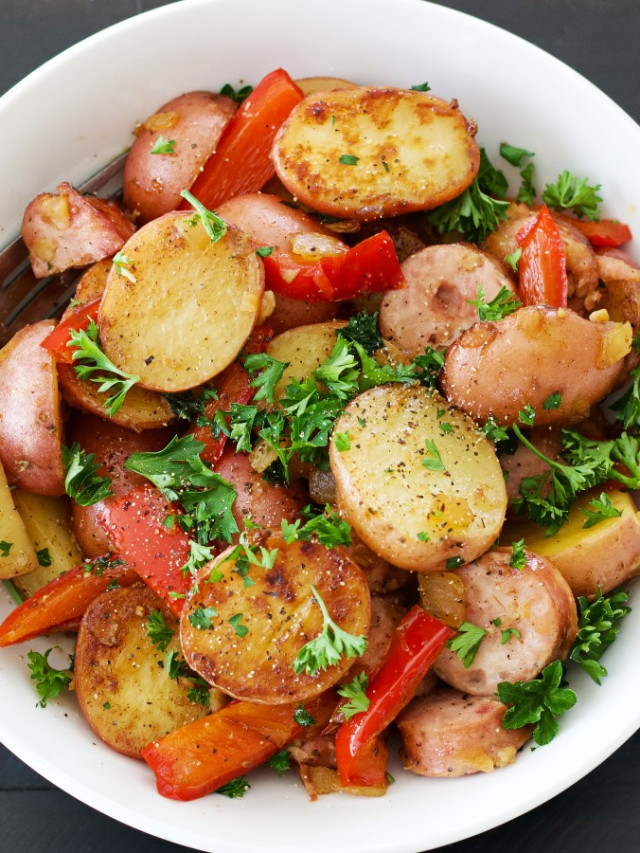
Skillet potatoes are particularly useful when you’re cooking with what you have.
Cut potatoes into fairly small, even pieces so they cook efficiently. Add onions, peppers, vegetables, leftover meat, sausage or bacon and you can build an entire dinner in one pan.
This is also a good use for previously cooked potatoes. Since the potatoes are already tender, they only need enough skillet time to heat through and develop some browned, crisp surfaces. That makes leftover boiled or baked potatoes valuable ingredients for another night’s dinner rather than simply leftovers that need reheating.
Add Potatoes to Soups and Stews for Body and Substance
Potatoes absorb flavors from broth, meat, vegetables and seasonings while making soups and stews more filling.
The potato you choose matters here. Red and other waxier potatoes tend to hold their shape, which is useful when you want distinct pieces of potato in the finished soup. Starchier potatoes such as russets break down more readily and can release starch into the cooking liquid, helping a soup or stew become thicker.
Neither result is necessarily better. Choose the potato according to the result you want.
This is also a practical way to stretch ingredients. A pound of meat may not seem like much when divided into individual portions, but combined with potatoes, broth, vegetables and seasonings it can become a substantial pot of soup or stew.

Don’t Forget the Air Fryer and Pressure Cooker
Modern appliances give potatoes even more weeknight possibilities.
An air fryer is useful for quickly crisping potato wedges, cubes, small potatoes and previously cooked potatoes without heating a large oven. A pressure cooker can quickly cook whole or cut potatoes when you need tender potatoes for mashing or another recipe.
These appliances don’t change the basic principles of cooking potatoes. They simply give you additional ways to manage your time.
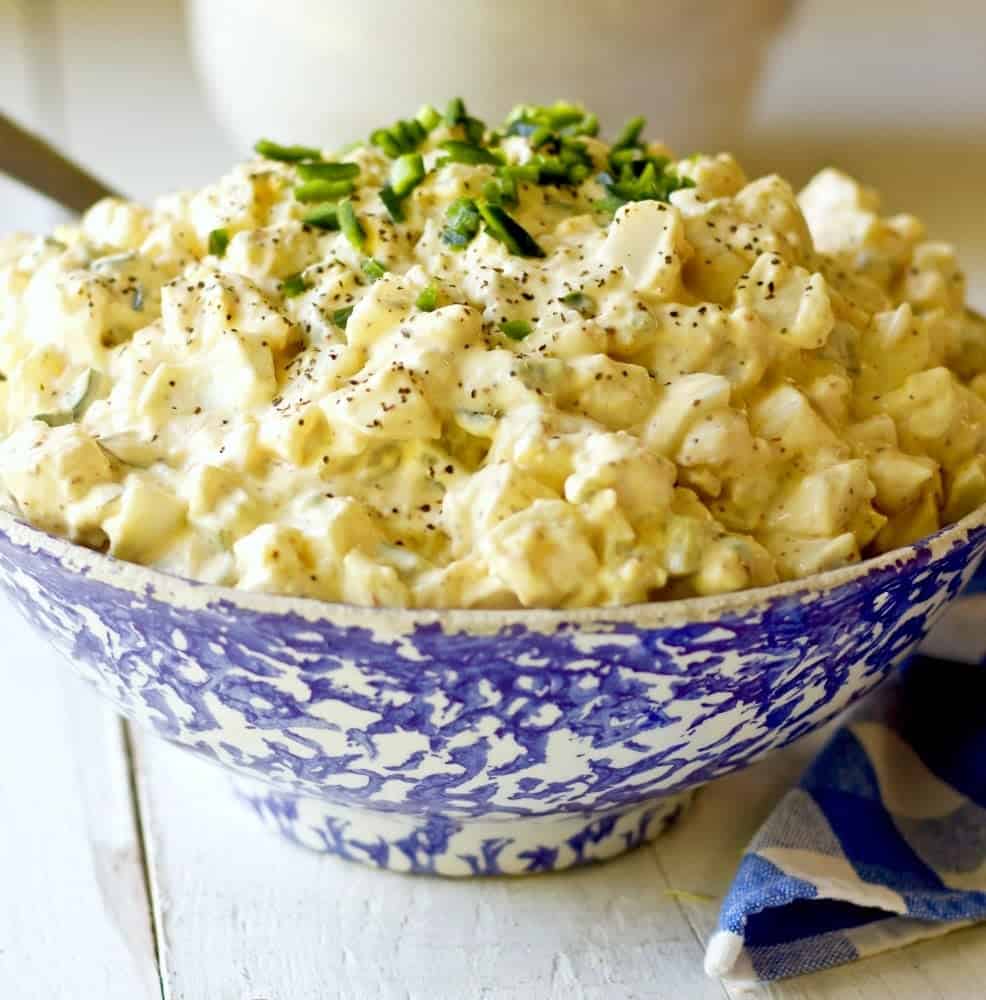
Use Leftover Potatoes to Get a Head Start on Another Dinner
Potatoes are one of those foods I often cook in larger quantities than we need for one meal. Some extra baked potatoes, a bowl of mashed potatoes or a few leftover boiled potatoes can give you a useful head start on another dinner or side.
This is part of the idea behind cooking with what you have. Instead of looking at leftovers only as something that needs to be reheated and served again, look at what each ingredient can become.
A few cooked potatoes may not look like dinner by themselves, but combine them with ingredients from a well-stocked pantry and whatever is available in the refrigerator or freezer and you have options.
Here are some useful ways to give leftover potatoes a second job:
- Baked potatoes: Dice and brown them for breakfast or dinner hash, make skillet potatoes, scoop and refill them for twice-baked potatoes, or top them with leftover chili, meat, vegetables and cheese.
- Boiled potatoes: Slice or cube them for a skillet dinner, potato salad, soup or casserole. They can also be seasoned and roasted until the outside becomes crisp.
- Roasted potatoes: Reheat them in a skillet or air fryer to restore some of their crispness, or add them to a hash with meat and vegetables.
- Mashed potatoes: Use them to top shepherd’s or cottage pie, make potato cakes, or incorporate them into another recipe rather than simply serving the same side dish again.
- Small amounts of several leftovers: Potatoes are particularly good at bringing odds and ends together. A little sausage, bacon, roast, chicken or vegetables can become enough for another meal when combined with potatoes.
This works in the other direction, too. When you’re already cooking potatoes, consider whether making a few extra would save you work later in the week. Cooking six potatoes instead of four may take very little additional effort, but those two extra cooked potatoes can shorten the preparation time for another dinner.
That doesn’t mean you need to plan every meal several days in advance. I often cook according to what we have available. Keeping a practical pantry and learning how ingredients can move from one meal into another makes that kind of spontaneous cooking much easier.
Potatoes are especially good for this because they don’t have to come back to the table looking like leftovers. Tonight’s baked potato can become tomorrow’s crispy skillet potatoes. Mashed potatoes served alongside one dinner can become the topping for another. Leftover meat that isn’t enough to serve again on its own can join potatoes and vegetables in a completely different meal.
That’s how a basic staple begins doing more than filling a space on the dinner plate. It becomes part of the architecture of several meals.
Make Potatoes Work Harder in Your Kitchen
Potatoes earn their place as a weeknight dinner staple because they can do so many different jobs. They can be a simple side dish, become the foundation of a meal, stretch smaller amounts of meat and vegetables, add substance to soups and stews, or give you a head start on tomorrow’s dinner.
You don’t need to keep several varieties on hand or learn dozens of potato recipes. Start with a potato your family enjoys and learn how it behaves. Russets are useful when you want a fluffy, starchy potato. Reds and other waxier potatoes are good choices when you want the pieces to hold together. Yellow potatoes offer a versatile middle ground that works well for many everyday meals.
Then think about the meal you’re building. Bake, boil, mash, roast or skillet-cook your potatoes according to what you need them to do. And when you cook more than you need, don’t automatically think of the extras as another serving of the same dinner. Those cooked potatoes may already be the beginning of the next one.
Looking for dinner ideas?
Visit our Easy Weeknight Dinners collection for practical recipes and more guides to help you build satisfying dinners from the foods you keep on hand.
Frequently Asked Questions About Cooking With Potatoes
What is the best all-purpose potato for everyday cooking?
Yellow potatoes such as Yukon Golds are an excellent all-purpose choice. They have a creamy texture and enough structure to work well for roasting, boiling, mashing, soups, casseroles and skillet dinners. However, the best everyday potato is ultimately one that works for the foods you regularly cook and that your family enjoys eating.
What’s the difference between russet, red and Yukon Gold potatoes?
Russets are relatively high in starch and become fluffy when cooked, making them particularly useful for baking, mashing and frying. Red potatoes are waxier and tend to hold their shape, which makes them useful for soups, stews, boiling and skillet meals. Yukon Golds fall between the two and have a creamy texture that works with many different cooking methods.
Do I need to peel potatoes before cooking them?
Not always. Many potatoes can be cooked with their skins on as long as they are thoroughly washed and any damaged areas are trimmed away. Thin-skinned red and yellow potatoes are especially easy to use without peeling. Whether you peel them can also depend on the texture you want in the finished dish.
What can I make with leftover cooked potatoes?
Leftover baked, boiled and roasted potatoes can be diced for hash or skillet dinners, added to casseroles or combined with leftover meat and vegetables. Mashed potatoes can top shepherd’s or cottage pie or become potato cakes. Cooked potatoes are particularly useful when you need to turn small amounts of other leftover ingredients into another meal.
Can I cook potatoes ahead for weeknight dinners?
Yes. Cooking extra potatoes when you’re already preparing dinner can shorten the preparation time for another meal. Refrigerate cooked potatoes promptly in a covered container and use them within a few days. Reheat them thoroughly when appropriate for the dish.
How should I store raw potatoes?
Keep raw potatoes in a cool, dark, dry and well-ventilated place away from direct light. Avoid storing them beside onions, which can contribute to faster deterioration. Check stored potatoes periodically and remove any that are spoiling. Personally, I tend to forget stored potatoes in my pantry. So I put them in my fridge produce section when I have room so I’ll see them.
Are green or sprouted potatoes safe to eat?
Potatoes naturally contain glycoalkaloids, primarily solanine and chaconine. Levels can increase when potatoes are exposed to light, turn green or begin sprouting. A firm potato with only a small sprout or a small area of skin-deep greening may still be usable if the entire sprout, eyes and green portions are thoroughly removed. Potatoes that are extensively green, heavily sprouted, shriveled or green beneath the skin should be discarded. Cooking does not reliably destroy these compounds.
For more detailed guidance, see Iowa State University Extension’s recommendations for sprouted and green potatoes.
We will cover aging, sprouted and green potatoes more completely in a separate food-storage and safety guide.
Follow Us:
We enjoy meeting you on our social networks. Follow us on Facebook, Pinterest, Instagram . Tag us with your pictures of our recipes and comment on how it went for you. We would love to see what you do with them.
We often like, comment and share your posts of our recipes on our daily Instagram stories.
Ask questions and rate the recipe in the comments section below. Please share what you did with this recipe. We are always looking for more and better ways to make homemade food. Other cooks love your ideas!
Recent Posts: